South Africa has planted more than seven million trees across the country since April as part of President Cyril Ramaphosa’s One Billion Trees Campaign, an initiative the government says will tackle food insecurity, create jobs and address apartheid-era spatial inequality.
Ramaphosa announced the milestone in his weekly newsletter on Monday, revealing that the Western Cape leads the country with more than two million trees planted, while Gauteng and KwaZulu-Natal have each surpassed one million trees.
Even the Northern Cape, South Africa’s driest province, has planted more than 500 000 trees.
The campaign aims to plant one billion trees over five years through partnerships with communities, traditional leaders and the private sector as part of the existing National Greening Programme.
Fruit trees to boost household food security
The president said the campaign goes beyond environmental benefits and targets apartheid-era planning that left historically white suburbs with abundant trees and green spaces while townships received minimal vegetation.
“Addressing and overcoming the geography of inequality we inherited necessitates that greening programmes must also substantively contribute to advancing food security, rural development and the economic empowerment of women,” Ramaphosa said.
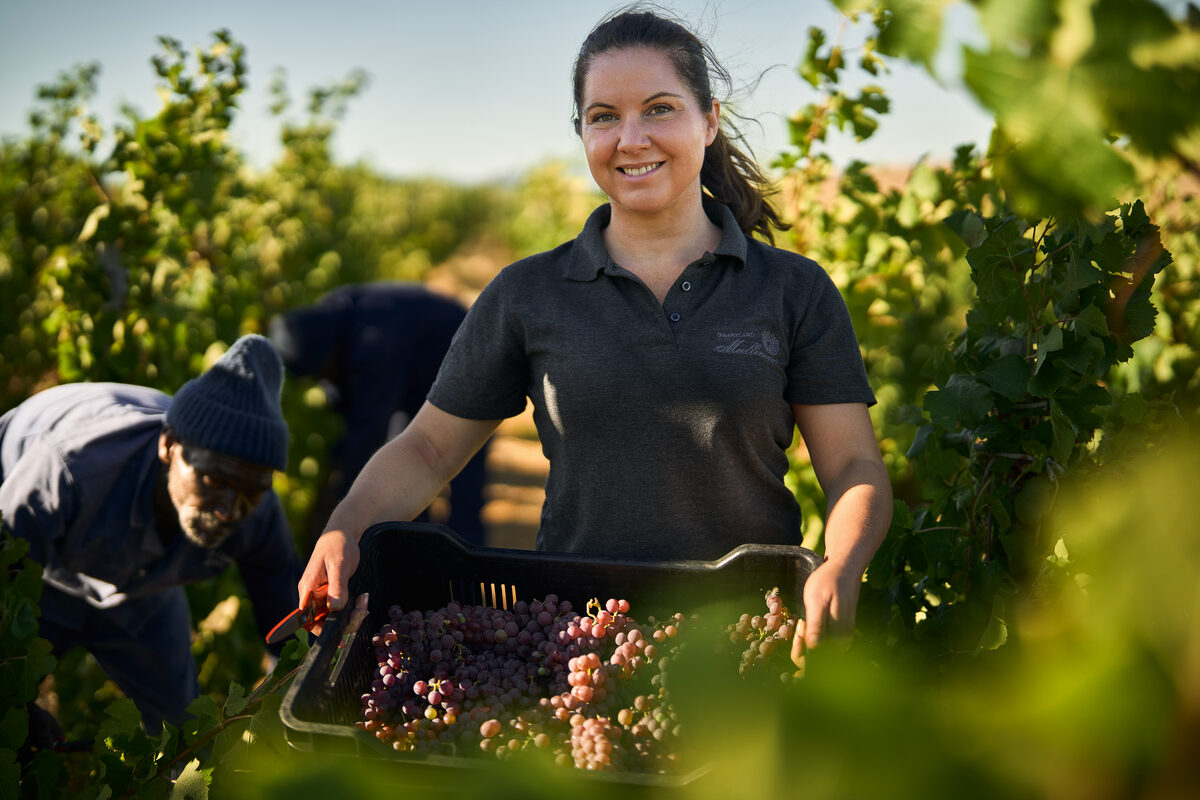
The campaign prioritises fruit trees including citrus, avocado and grapes that can strengthen household food security, support community and school food gardens and potentially generate income from surplus produce.
The Department of Forestry, Fisheries and the Environment signed a memorandum of understanding with the Department of Human Settlements to plant a fruit tree with every new subsidised house.
The government wants subsistence farmers to reinvest income from fruit trees into additional trees and agricultural inputs, gradually developing income-generating enterprises.
Women lead planting projects
The campaign supports women’s livelihoods through projects like She Evolves in Tswelopele Local Municipality in the Free State, where women lead tree-planting activities to generate income.
At Innesfree Park urban garden in Sandton, Gauteng, a mother and daughter team grows fruit, vegetables and herbs with support from a local hospitality chain to support local feeding schemes and create employment for women.
“Greening programmes are a pathway for skills development that leads to job creation as well as supporting self-employment,” Ramaphosa said.
Jobs and skills through public works programme
Workers employed through the Expanded Public Works Programme handle land preparation, transporting trees to planting sites, planting and horticultural maintenance.
The environmental sector contributes to the programme by providing work opportunities and skills in conservation, water, waste and fire management.
Skills acquired through the programme can help young people pursue employment at nurseries and farms or establish businesses in landscaping, tree maintenance, plant production and sales.
“The seemingly simple act of planting a tree has the potential to generate many opportunities into the future, especially for young people who have considered a future in farming but did not know where or how to start,” Ramaphosa said.
Indigenous trees replace colonial imports
The campaign focuses on indigenous trees to replace non-indigenous species introduced during the colonial period, among other reasons, to meet timber demand.
Some species, including Pretoria’s jacarandas, are classified as invasive and place additional pressure on scarce surface water, threaten indigenous vegetation and increase wildfire risk.
Companies already convert alien invasive plants and trees into biomass for industrial applications, including green fuel.
The Department of Forestry, Fisheries and the Environment and South African National Parks run the Eco-Furniture Programme, which trains public works employees to produce school desks, benches and other wood products from cleared invasive alien trees.
Ramaphosa said the campaign demonstrates that conservation and socio-economic development can work together.
“This initiative has the potential to catalyse both small- and large-scale economic activity and job creation,” he said.
The president called on South Africans who have not yet participated to plant or donate a tree as the country works towards its target of one billion trees over the next five years.
ALSO READ: Government aims to plant 10 million trees on Heritage Day