

South Africa’s economy shrank in the second quarter of 2026, snapping a nearly two-year growth streak as the war in Iran weighed on domestic demand, the national statistics agency said Tuesday.
The contraction comes less than two months before local government elections, putting the country’s sluggish economy in the political spotlight.
Gross domestic product fell 0.2% from the previous quarter on a seasonally adjusted basis, StatsSA said.
Mining and trade drag economy down
Mining was the biggest drag, shrinking 3% as production of platinum-group metals, manganese, gold and iron ore fell.
Trade contracted 1.9%, ending six straight quarters of growth, while manufacturing posted a third consecutive decline. Seven of its 10 divisions reported weaker output.
Rising imports and a second consecutive quarterly decline in investment compounded the weakness. Exports grew only modestly and businesses and public corporations pulled back on capital spending.
In June, StatsSA warned that fallout from the conflict in the Middle East could weigh on second-quarter economic activity. The conflict erupted in late February and sent fuel prices soaring early in the year.
Opposition demands urgent reforms
The opposition Democratic Alliance said the contraction shows that urgent reforms are now unavoidable.
“News that South Africa’s economy is getting smaller, not bigger, is a most urgent reminder that the government’s current approach of reform incrementalism just won’t cut it,” said Geordin Hill-Lewis, leader of the Democratic Alliance.
Hill-Lewis said the president must confront those in government who are blocking reform and use the government of national unity to drive through changes.
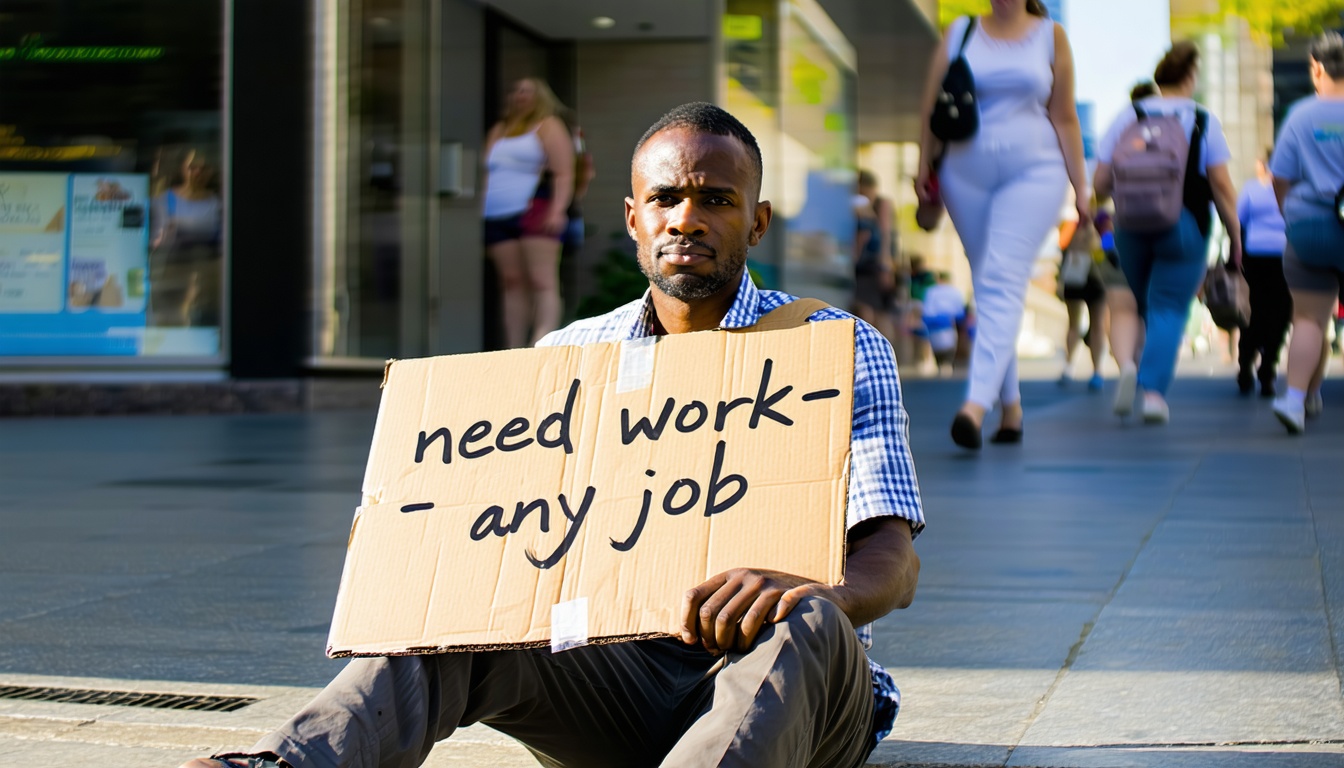
“With unemployment at 33.6% and 8.5 million South Africans looking for work, every delay has personal consequences for normal South Africans,” he said.
He wrote to President Cyril Ramaphosa requesting an urgent meeting to discuss economic reforms needed to get the country growing and creating jobs.
“South Africa has run out of time for incrementalism. Reform now or continue to condemn millions more South Africans to unemployment and poverty,” Hill-Lewis said.
ALSO READ: Western Cape shows economic resilience amid national stagnation
Jobs crisis deepens political pressure
The economy is expected to feature prominently in November’s local government elections, with unemployment among the highest rates in the world.
Years of weak growth have added to frustration with the government.
Africa’s richest economy shed 345 000 jobs in the second quarter. Most of the losses came from the community and social services sector.
The economic malaise has also deepened disillusionment with the ruling ANC. The party lost its national majority in 2024 for the first time since the end of apartheid and was forced into an uneasy coalition government with rival parties.
ALSO READ: South Africa stuck in a rut: How can it escape the trap of economic stagnation?

