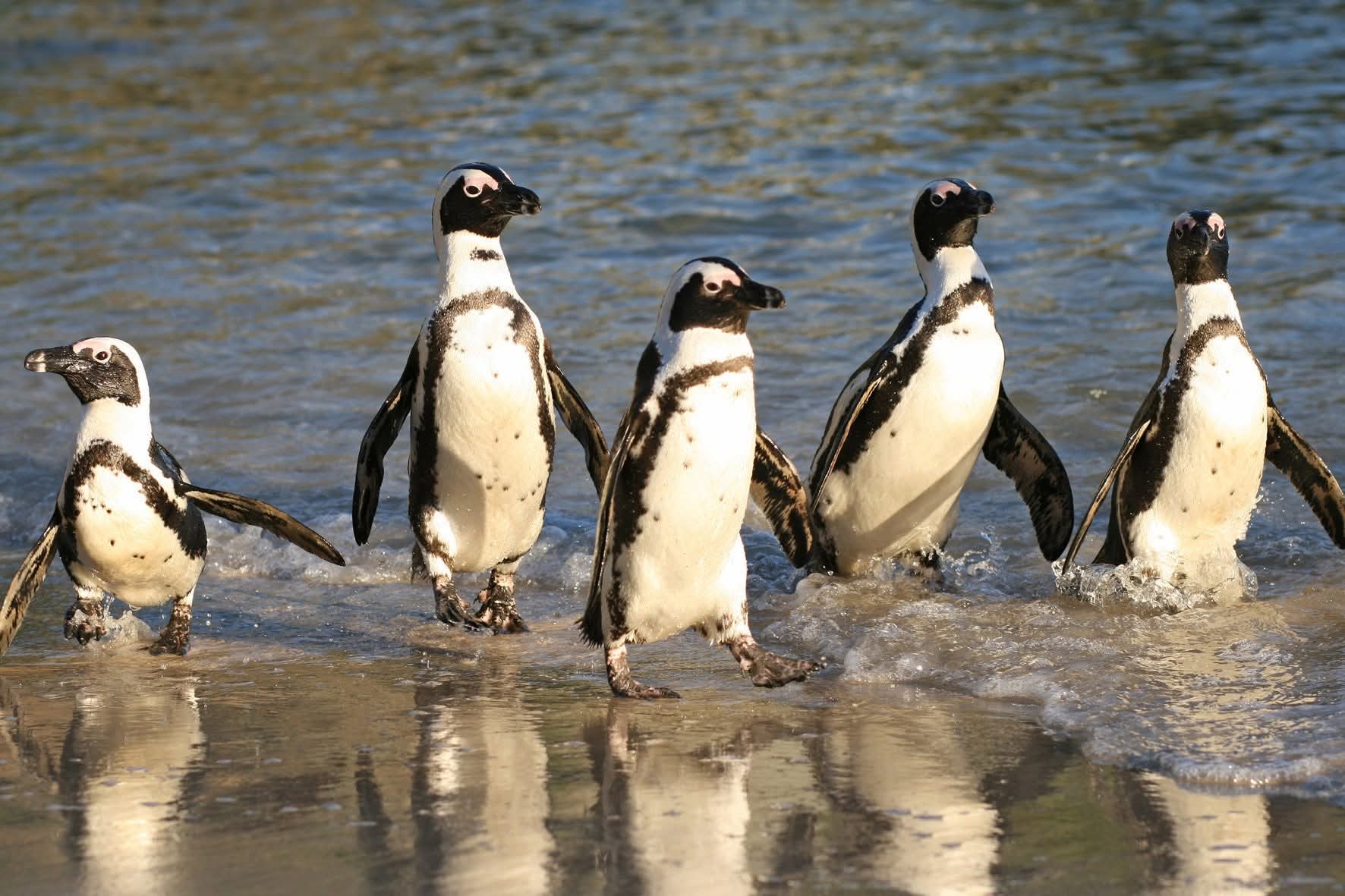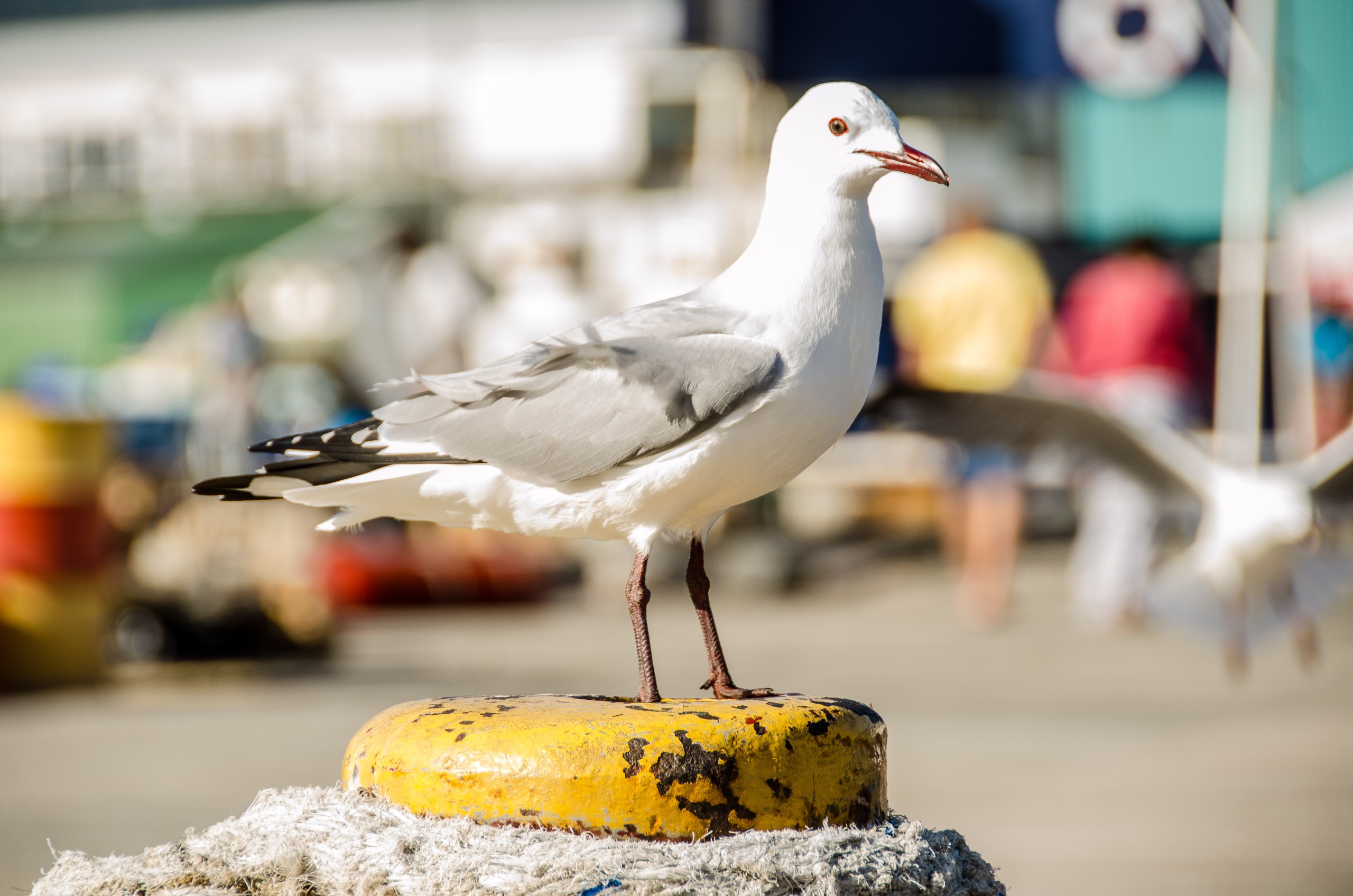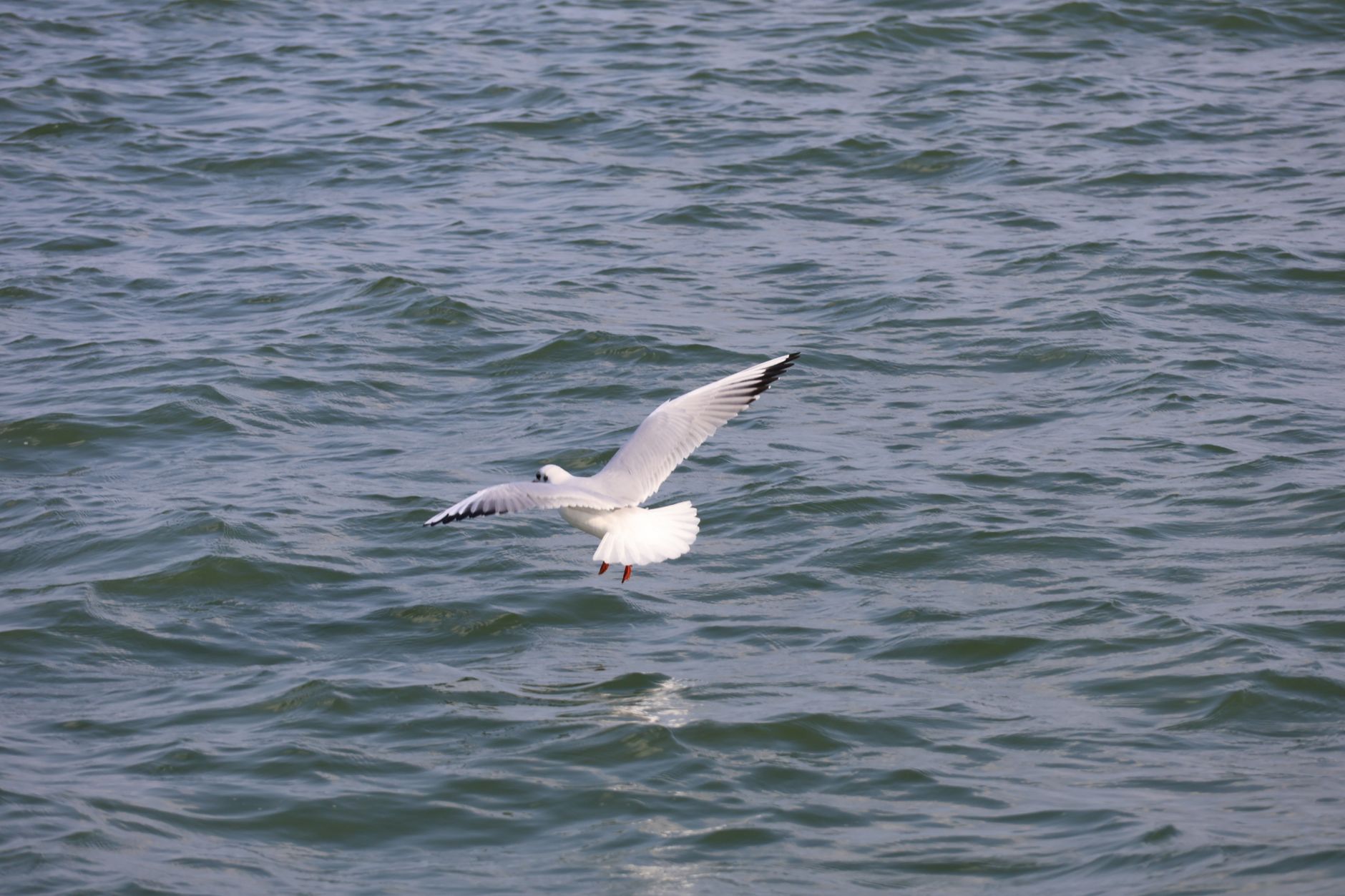
South Africa has unveiled a five-year plan aimed at protecting seabirds from being accidentally killed during fishing operations.
The Department of Forestry, Fisheries and the Environment has adopted the National Plan of Action II for the Conservation and Management of Seabirds in South African Fisheries, which will guide efforts from 2026 to 2030.
The strategy focuses on reducing accidental seabird deaths and improving how these incidents are monitored, reported and managed.
Building on previous efforts
The new plan builds on a strategy first introduced in 2008, drawing on updated survey data, fisheries observer records, stranding reports and tracking studies.
It brings together current information on the conservation status of seabirds and how South African fisheries interact with all seabird species found in the country’s waters.
The document also identifies priority areas where action is most urgently needed and provides up-to-date information on legislation and policy related to seabird-fisheries interactions.
Ambitious targets and measures
The plan sets an ambitious target of achieving zero impact on the sustainability of seabird populations by South African fisheries.
It establishes clear, measurable objectives to reduce bycatch across different fishing methods, including longline, trawl, purse seine, pole-and-line and gillnet fisheries.
The strategy incorporates updated species-level interaction data and conservation assessments to ensure mitigation measures match the level of risk for each fishery and vessel type.
Partnership approach
A key feature of the plan is collaboration across multiple sectors.
The department’s Oceans and Coasts division and fisheries managers will work with industry, BirdLife South Africa, the Albatross Task Force, academic institutions and provincial conservation agencies.
Together, they will design mitigation trials, deliver training for skippers and observers, and share monitoring data through common platforms.
Joint funding mechanisms and shared governance arrangements have been established to enable transparent implementation.
According to the department, this integrated approach aims to reduce seabird mortality whilst maintaining sustainable, productive fisheries and supporting coastal livelihoods.
The plan also includes capacity building, public outreach and alignment with international best practices and agreements.
The strategy commits to regular reviews that will incorporate new evidence and operational feedback, reflecting a science-led, cooperative approach to protect vulnerable seabird populations without compromising fishing operations.