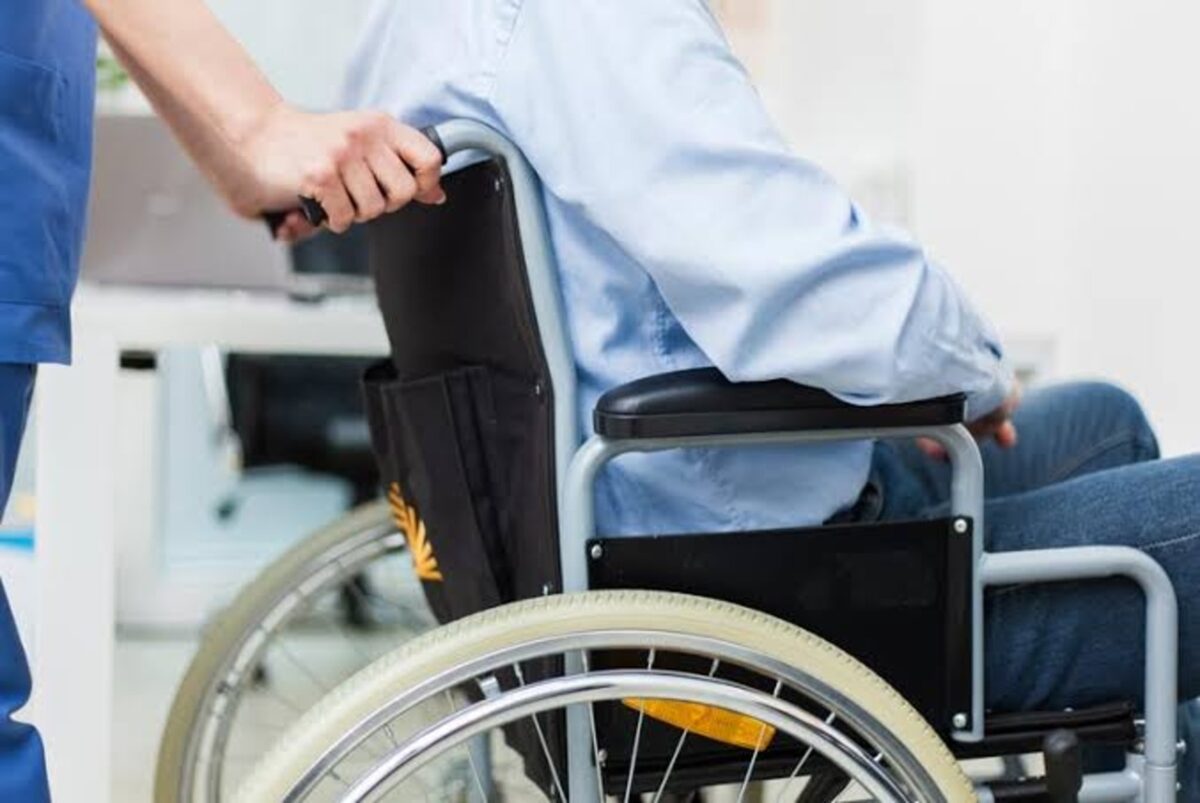
VREDENBURG – Seeing patients making their way home on foot, after being in the care of the Vredenburg Provincial Hospital, has left a resident concerned.
According to the Vredenburg resident, who wishes to stay anonymous, he frequently comes across patients who have been discharged or treated at the hospital on foot.
Seeing as many of these individuals are elderly, injured, on crutches, heavily bandaged, or otherwise struggling with mobility, mothers carrying infants and having to travel far does not sit well with this specific resident.
“Whenever possible, I offer them a lift, as it seems the humane thing to do; the gratitude expressed by these patients suggests that they often feel they have few alternatives.
“I do not know the current hospital policy regarding patient transport, nor do I wish to unfairly criticise hospital staff who work under considerable pressure. However, what I am witnessing raises important questions. Are there transport services available for vulnerable patients? Are there scheduled shuttle services to nearby areas? If such services exist, are patients aware of them? If they do not exist, should they be considered, especially for elderly, disabled, or financially distressed patients?”
The resident notes that there was a time when transport was provided and that things might have changed, but the reality remains that these vulnerable patients are often left to find their own way home under difficult conditions.
According to Shimoney Regter, spokesperson of the Western Cape Department of Health and Wellness, they appreciate the concern raised regarding patients’ ability to travel home safely following discharge from hospital care.
Regter said patient wellbeing remains a priority throughout the healthcare journey, including discharge planning and home-based care services, where required.
“While the department does not provide a routine transport service for patients returning home after discharge, healthcare teams work with patients and their families or caregivers to make appropriate arrangements based on individual circumstances. In some instances, particularly where patients may be vulnerable or require ongoing support, discharge planning includes ensuring that a responsible family member or caregiver is available to assist.”
It is important to distinguish between emergency and inter-facility transport services. Emergency Medical Services provide emergency medical transport to facilities, while HealthNet Patient Transport Services assist eligible patients travelling between healthcare facilities for referred or specialised care. These services are primarily designed to support emergency medical transport and inter-facility transfers.
Regter said the department values ongoing engagement with communities on these challenges and remains committed to supporting safe and appropriate discharge processes for all patients.
The resident adds that the matter deserves public discussion and clarification from the relevant authorities. “Healthcare should not end when a patient leaves the hospital doors. For many vulnerable people, getting home safely is part of their healthcare journey.”