

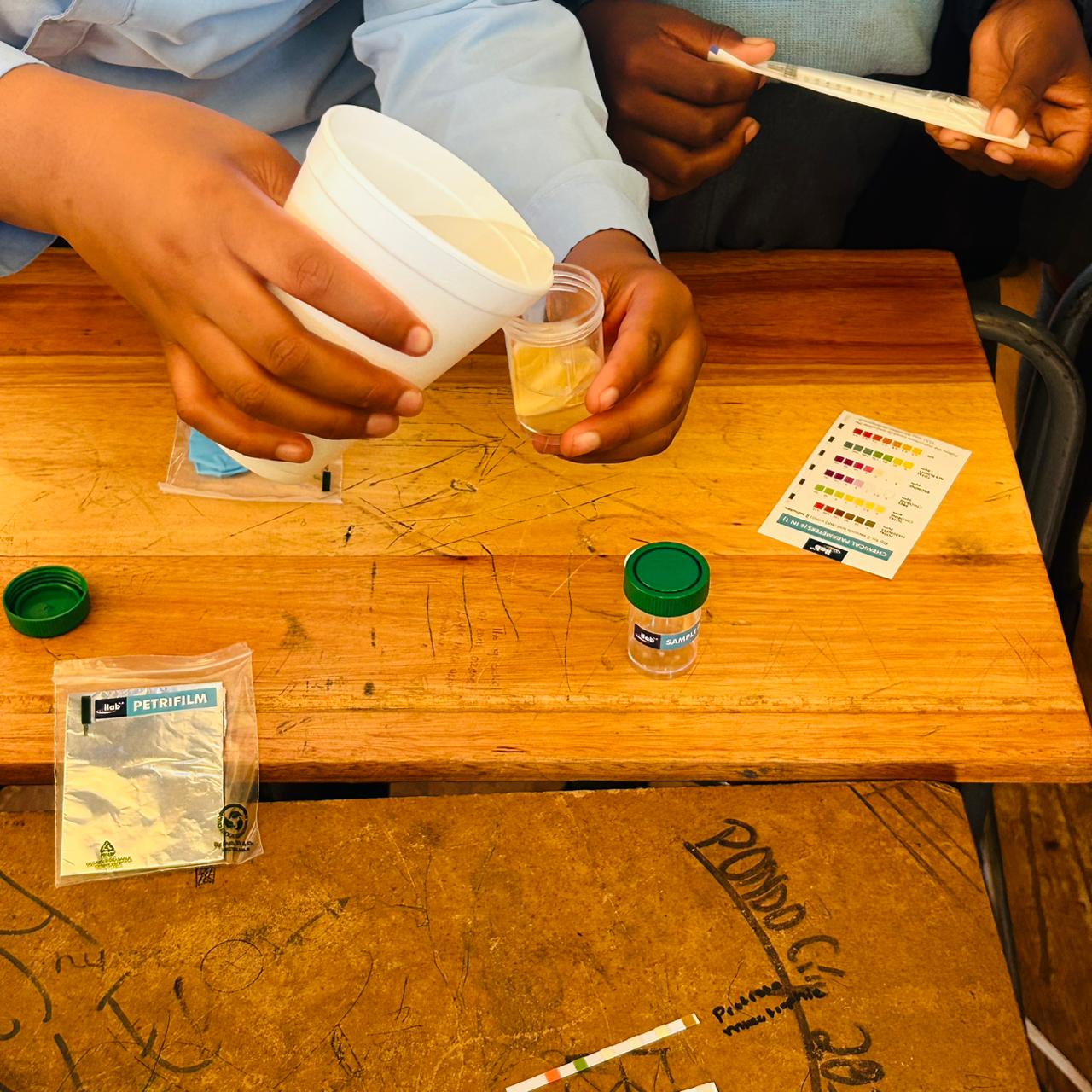
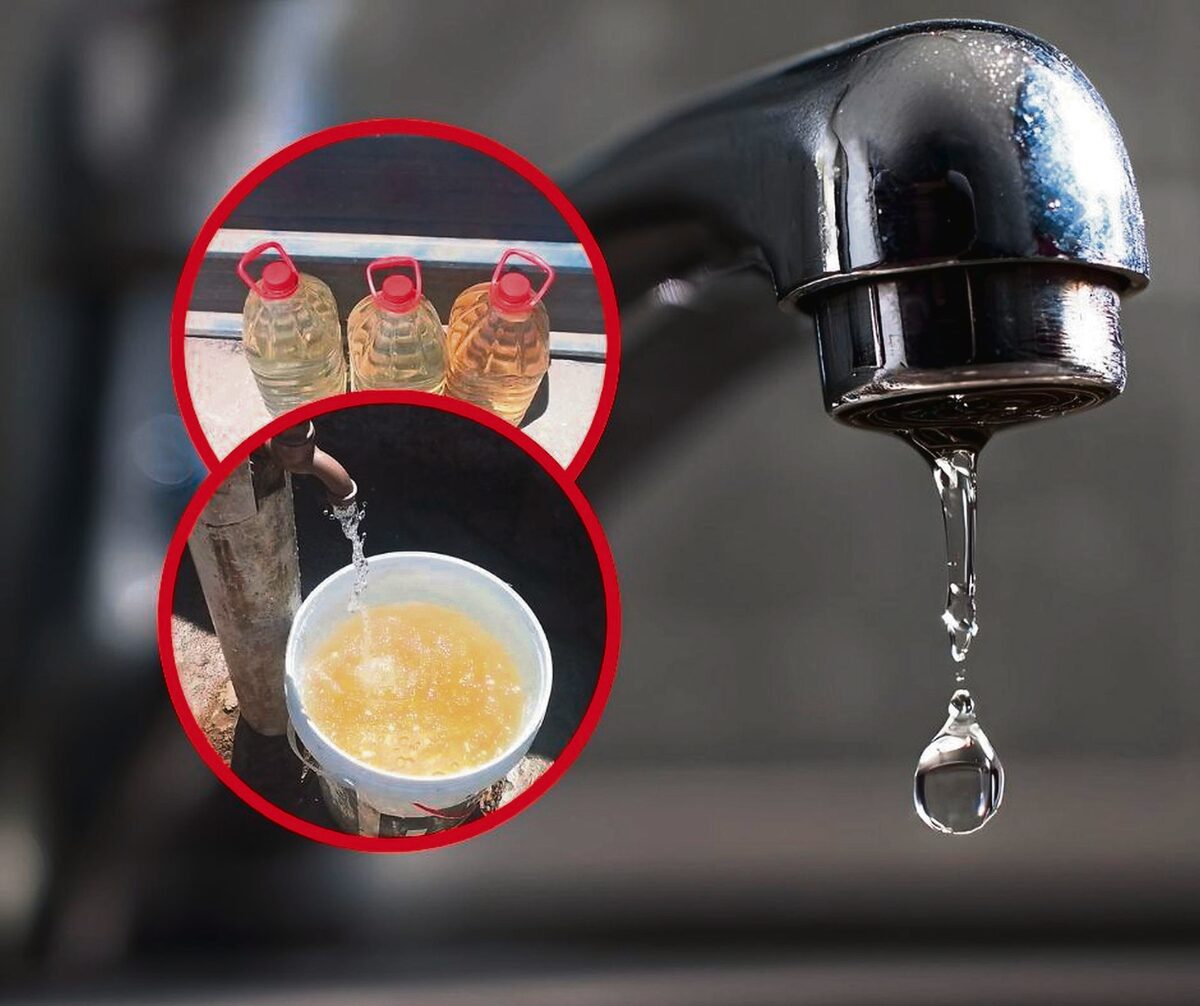
Results from a nationwide schools water testing initiative by WaterCAN have revealed that nearly a third of participating schools recorded high levels of E. coli in their drinking water, raising serious health concerns.
Of the 72 schools that submitted results 20 samples were flagged as dangerously unsafe. Twelve of these contaminated samples were taken directly from taps, while the remaining eight came from water tanks.
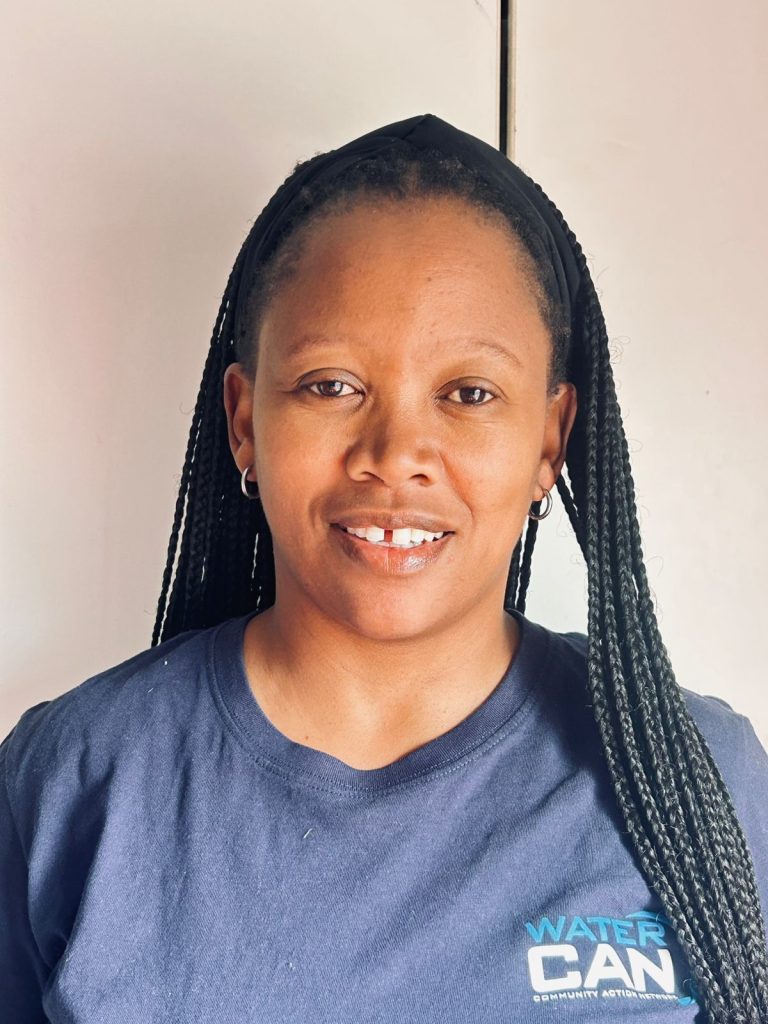
WaterCAN’s Citizen Science and Training Coordinator, Nomsa Daele, described the findings as “highly concerning”.
“The presence of E. coli in drinking water is particularly serious and requires urgent attention as it may lead to waterborne illnesses. Ensuring safe drinking water in schools is critical to protecting the health, dignity, and wellbeing of children. Although these are indicator tests, they serve as an important early warning of contamination. We have advised the schools to exercise caution and avoid using the water for drinking purposes until the matter is resolved.”
Municipalities have been informed
WaterCAN has issued urgent letters to affected schools and municipalities, calling for immediate intervention. Authorities have been asked to conduct confirmatory testing, investigate the source of contamination and take corrective action to ensure water safety.
“Given the potential risk to children’s health, we urgently need a prompt response and action on this matter,” Daele added.
The following municipalities were contacted: Chief Albert Luthuli Local Municipality (Mpumalanga); Winnie Madikizela-Mandela Municipality (Eastern Cape); City of Cape Town (Western Cape); Enoch Mgijima Local Municipality (Eastern Cape); Makana Municipality (Eastern Cape); Matjhabeng Local Municipality (Free State); Mpofana Local Municipality (KwaZulu-Natal); Nelson Mandela Bay Metropolitan (Eastern Cape); Nketoana Local Municipality (Free State); Sundays River Valley Local Municipality (Eastern Cape); and Umvoti Local Municipality (KwaZulu-Natal).
The findings reinforce broader concerns about South Africa’s deteriorating water and wastewater systems, echoing issues highlighted in recent national reports. Daele noted that several municipalities where contamination was detected were previously flagged for failing to meet basic drinking water standards.
“Of deep concern is that in some of municipalities where biological elements were found in school drinking water were also flagged for failing to meet basic compliance requirements in the Blue Drop Report released in 2023.”
The WaterCAN Schools Water Testing Project, which ran from 16 to 27 March with some schools continuing into April, uses citizen science to monitor water quality. Participating schools test their water using supplied kits and upload results to the MapMyWater portal, creating a growing, publicly accessible dataset.
Beyond testing, WaterCAN says its work is rooted in strengthening water governance through community-driven action. The organisation focuses on empowering communities through a national citizen science network, while providing tools, training and support for local water monitoring and advocacy. It also uses citizen-generated data to drive accountability, influence policy and expose systemic failures.
Organisation advocate for clean drinking water
WaterCAN further aims to catalyse public action on water justice by supporting campaigns, building grassroots capacity and raising awareness of environmental risks, while fostering collaboration between civil society, academia, business and government to develop sustainable solutions.
The organisation’s broader mission is to enable access to safe and reliable water services through citizen science, advocacy and collaborative action, with a vision of a South Africa where the constitutional right to sufficient, safe water is realised through accountable governance and active citizen involvement.
Key tools supporting this work include its Water Quality Heat Map, an online platform where communities upload test results, an accredited testing network to ensure credible data, a National Water Guardians Network linking water forums across the country, and rapid response protocols to address contamination in drinking water systems.
Daele said the initiative is particularly relevant in the context of Earth Day celebrated on 22 April.
“The 2026 Earth Day theme, ‘Our Power, Our Planet,’ underscores that environmental progress depends on community action, innovation and local solutions, not only national policy. It highlights the need to strengthen energy reliability, advance sustainability and inspire collective action by citizens, schools and cities to protect the planet.”
Participation in the project has nearly doubled compared to last year, now reaching all nine provinces which an indication, WaterCAN said, of the growing urgency around water safety in schools.





You must be logged in to post a comment.