DESPATCH – Residents in Despatch have been urgently advised to boil all municipal water before consumption following the detection of E. coli bacteria in a local water reservoir, prompting immediate health concerns and calls for municipal intervention.
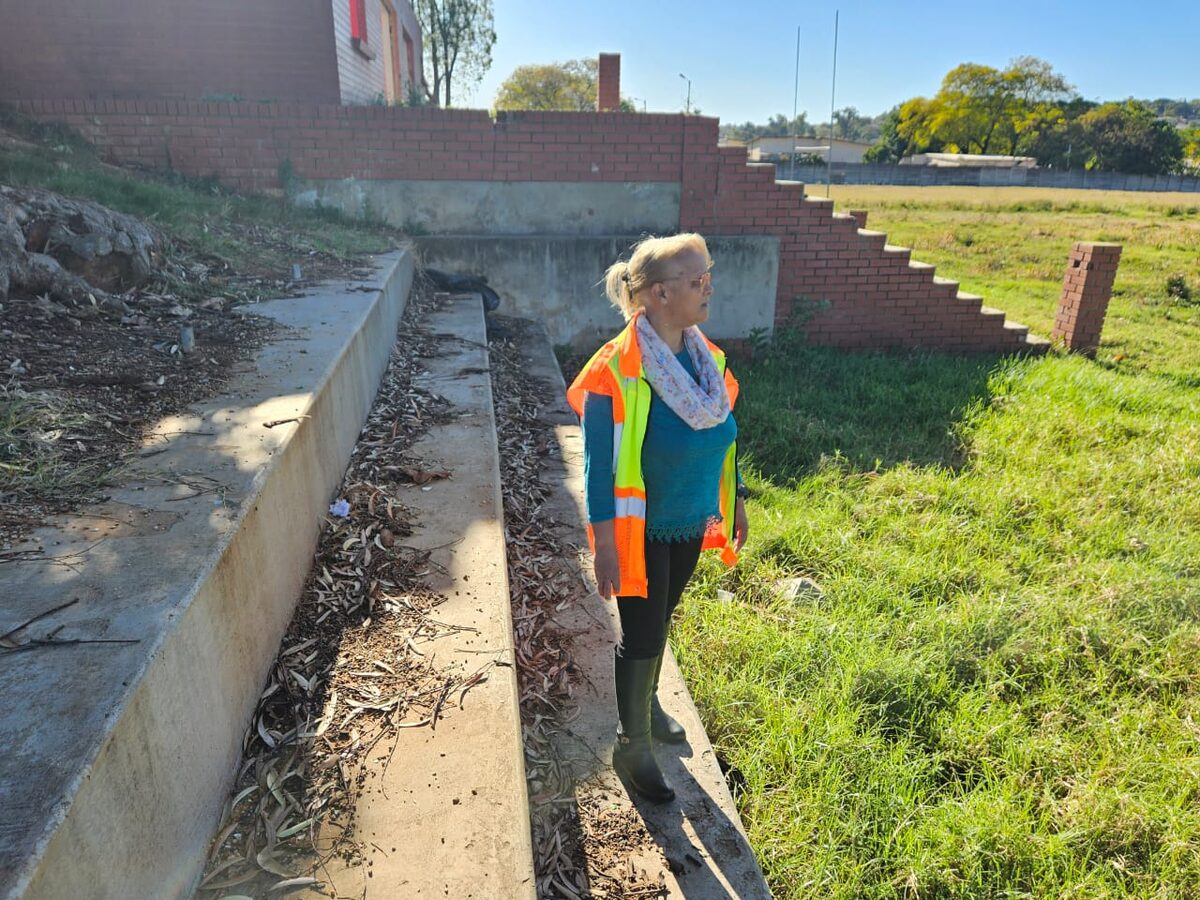
The warning was issued yesterday, 22 April by Democratic Alliance representatives after they conducted an inspection of the affected reservoir in response to credible contamination reports. DA Spokesperson for Infrastructure & Engineering Councillor Dries van der Westhuizen, together with Public Health Spokesperson Councillor Mthokozisi Nkosi and Ward 52 Councillor Frans Swanepoel, visited the site where traces of the potentially dangerous bacteria were reportedly found.
“While we do not wish to cause panic, we have a responsibility to inform residents of any potential health risks,” the DA representatives stated, emphasising that the advisory was issued “out of an abundance of caution.”
The presence of E. coli in drinking water poses serious health risks, including severe gastrointestinal illness, and can be particularly dangerous for children, elderly residents, and those with compromised immune systems.
In response, the Nelson Mandela Bay Municipality spokesperson Sithembiso Soyaya rejected these claims, stating that isolated water quality deviations were detected in Despatch through routine, regulated sampling conducted between 7 and 21 April 2026.
The Executive Mayor, Councillor Babalwa Lobishe, has moved to reassure all residents of Despatch that their drinking water is 100% safe for consumption.
Residents can therefore use tap water for drinking, cooking, and daily household needs with full confidence.
“We want to strongly assure our communities that the water is safe,” said Lobishe. “We urge residents to rely only on official Nelson Mandela Bay Municipality communication channels for accurate information regarding water safety. Verified testing confirms that there is no cause for concern.”
Soyaya said: “Immediate corrective interventions, including chlorination and compulsory resampling in full compliance with prescribed national standards, were implemented without delay. The Municipality’s water quality management system remains fully operational, safe, and compliant with all applicable regulatory requirements.”
He added that they strongly condemn the circulation of misleading and unverified claims that “have created unnecessary public concern and mischaracterised a controlled technical process as a public health crisis.”
Additionally, in accordance with SANS 241, aligned with World Health Organisation, “any detection of E. coli constitutes a precautionary non-compliance trigger requiring immediate intervention,” he said. “This standard is designed to ensure early detection and proactive risk mitigation, and does not in itself constitute evidence of harm, exposure, or illness.”
Soyaya added that the recorded level of 3 E. coli per 100 millilitres on 21 April 2026 “represents a low level, isolated deviation,” which he claimed was immediately addressed through established treatment protocols.
“This response is consistent with a system operating within design parameters and regulatory expectations,” Soyaya concluded.
“The Municipality remains committed to safeguarding public health and ensuring the consistent delivery of safe, clean drinking water to all communities.
“Residents are reminded to remain vigilant against misinformation and to always verify updates through trusted municipal platforms,” Lobishe concluded.