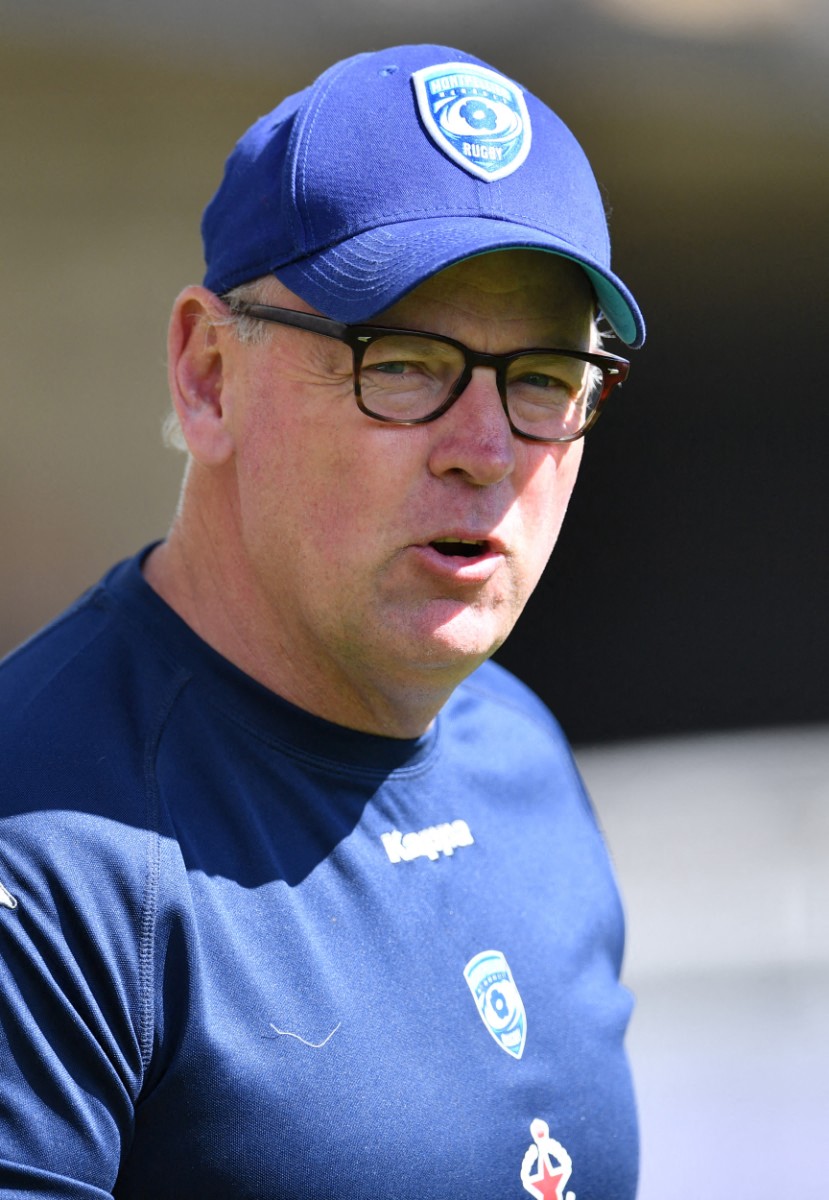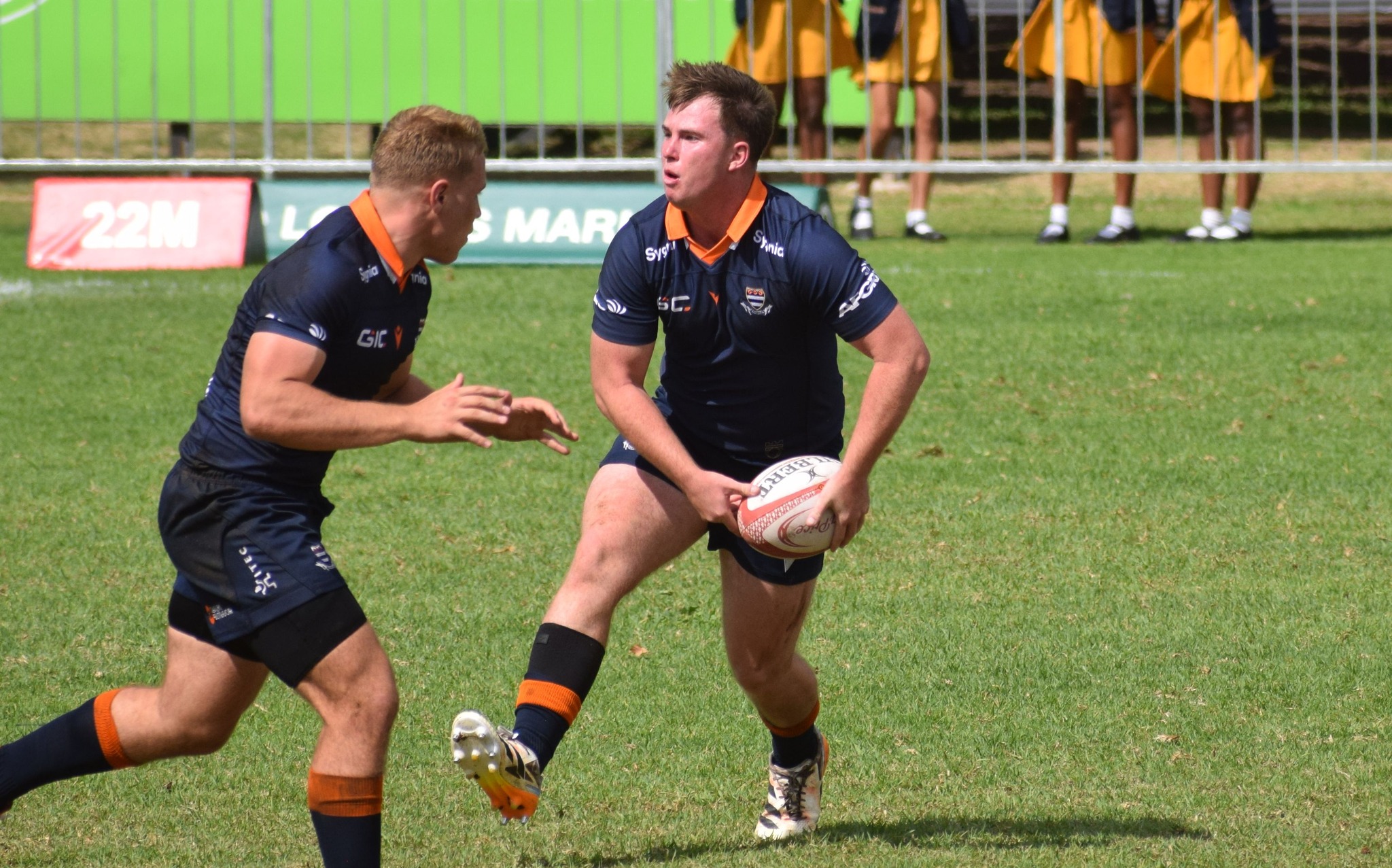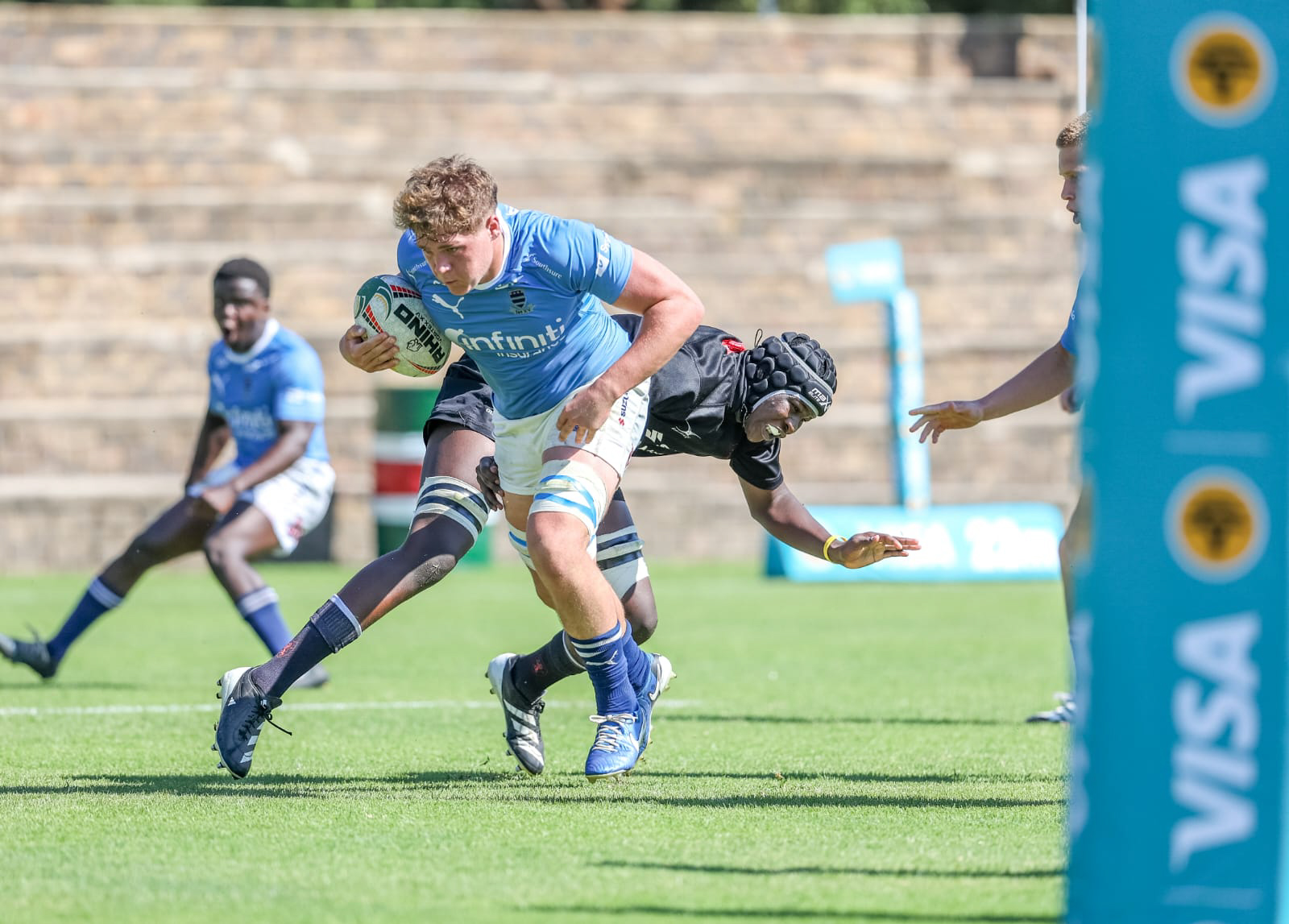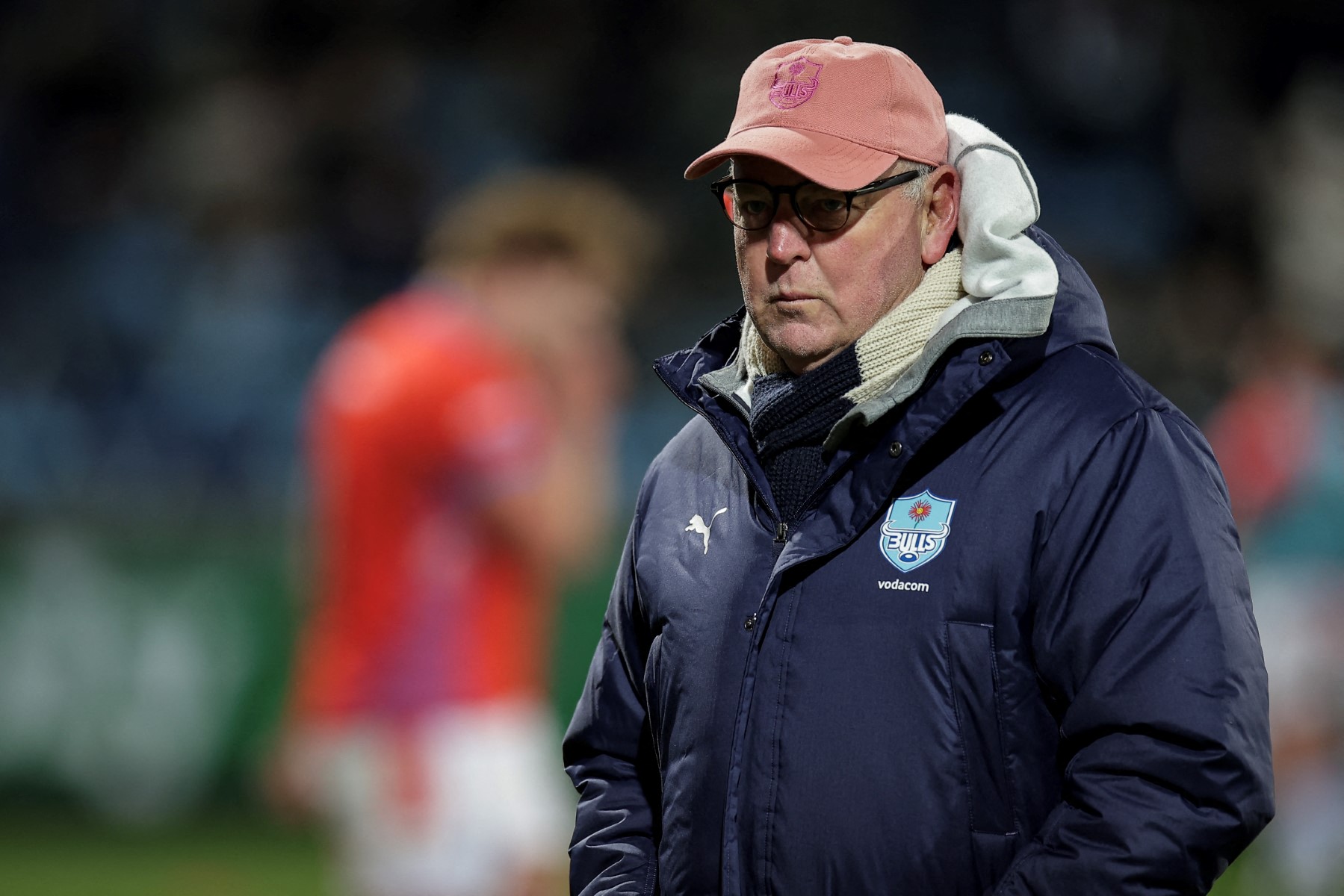
Jake White’s brief flirtation with schoolboy rugby has ended after the former Springbok coach quit his consultancy role at Selborne College in East London, citing a lack of commitment from the school’s hierarchy and mounting frustration with what he describes as “continuous obstacles” blocking his vision.
According to KickOff.com the World Cup-winning coach, who joined the prestigious Eastern Cape school at the start of 2026 following his departure from the Bulls, has pulled the plug on the project just months into his tenure, delivering a scathing assessment of the working relationship in a strongly worded letter to the Selborne Foundation Trust that leaves little doubt about where the breakdown occurred.
White’s exit letter, posted in full on Ruggas.co.za, reads like a declaration of war against Headmaster Andrew Dewar, with the veteran coach making it abundantly clear he wasn’t prepared to continue under the current circumstances where his rugby programme lacked the top-level backing he was promised when he signed on.
The promise that never materialised
When White took up the consultancy role at Selborne, it appeared to be the perfect marriage of expertise and ambition. Here was one of South African rugby’s most decorated coaches bringing his wealth of knowledge to a school with serious rugby pedigree, a project that promised to elevate the programme to new heights.
But behind the scenes, cracks were forming.
“I was under the impression that the Headmaster was totally on board. Totally!!” White wrote in his resignation letter.
“I have felt that the Headmaster is not totally committed to the changes needed or expected. Through my experience as a teacher, it’s a futile project unless the Headmaster backs it 100%. After some reflection, I think it would be better for me to step away from the Selborne project.”
Reputation on the line
White didn’t mince his words when addressing the potential damage to his own standing in the rugby community.
“You would be aware that associating my name with a rugby programme can be beneficial or detrimental to my own career,” he stated bluntly.
“I feel that I cannot deliver on the expectations with all the continuous obstacles I face along the way. I therefore say it again. I will no longer be involved with Selborne Rugby.”
It’s a brutal but fair assessment. When a coach of White’s calibre attaches his name to a programme, expectations skyrocket. But if the infrastructure and support isn’t there to back up those expectations, failure becomes inevitable, and the coach carries the can.
Despite the acrimonious tone of his departure, White hasn’t completely burned his bridges. In his letter, he outlined several specific demands that would need to be addressed before he’d even consider returning to the Selborne fold.
Chief among them: giving the Director of Rugby far more autonomy to run the programme without interference, and having the headmaster take a significant step back from day-to-day rugby decisions.
It’s a clear indication of where White believes the problems lie. In his world, rugby operations should be run by rugby people, with the administrative side providing support rather than roadblocks. The fact he’s willing to outline conditions for a potential return suggests he still sees value in the Selborne project.
Whether the school will be prepared to meet those demands remains to be seen.
Headmaster Andrew Dewar spoke to Rugby 365 about the issue.
“I can’t say much because there is a legal team looking into the defamatory information on that letter,” Dewar said, signalling that White’s public broadside may have crossed a line.
The headmaster then mounted a robust defence of his approach, making it abundantly clear that rugby would never take precedence over the school’s broader mission.
“I can say though that my role is to service the whole school and support everything we do, not only focus on rugby. Every boy is valued at Selborne College, and every sport needs to be treated equally. Academics are important. Principals of schools want the institution to be a success and a centre of excellence.”
Then came the line that cuts to the heart of the dispute: “People need to understand; we are not a rugby institute.”
Dewar doubled down on his authority as the final decision-maker.
“As the headmaster of the school, I cannot allow people to be making decisions that are not in the best interest of the school and the children. I need to be the final decision maker to make sure that due diligence has been observed.”