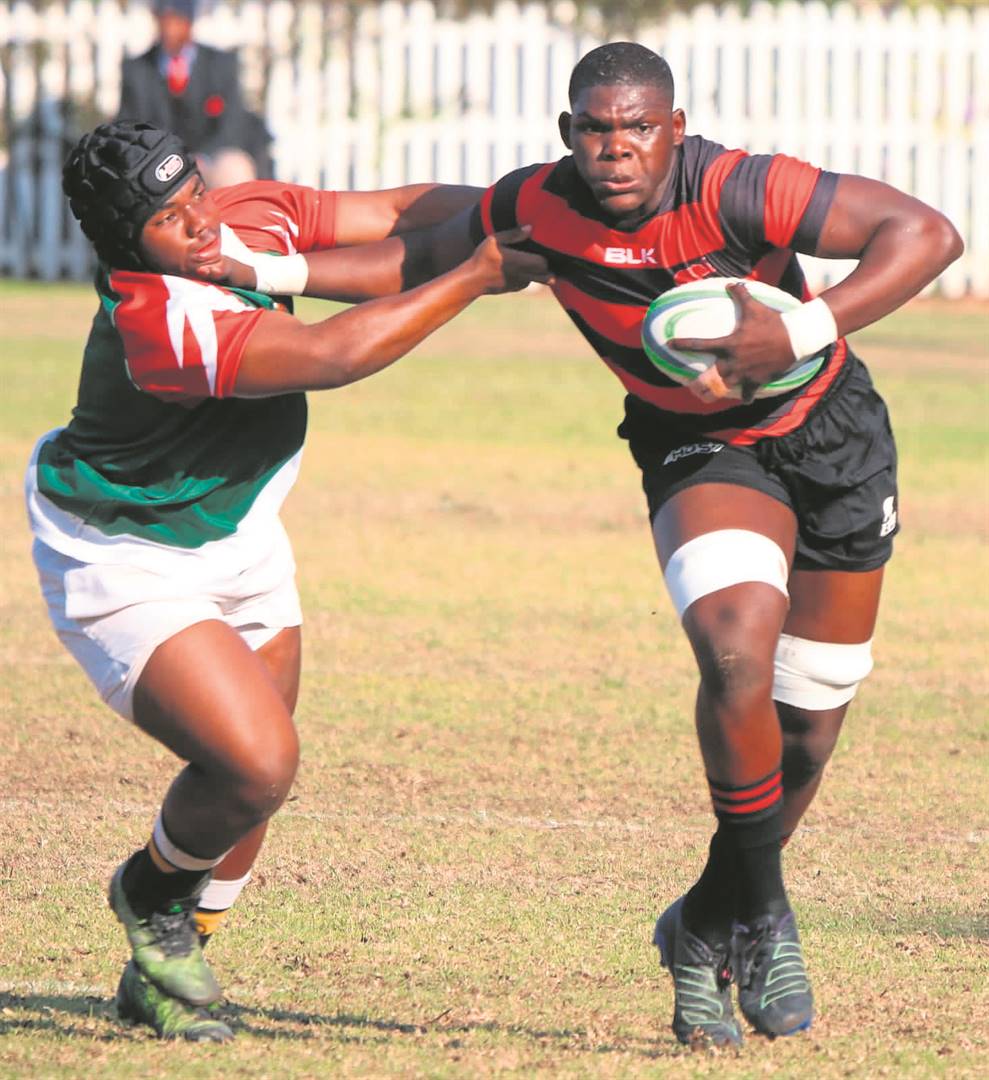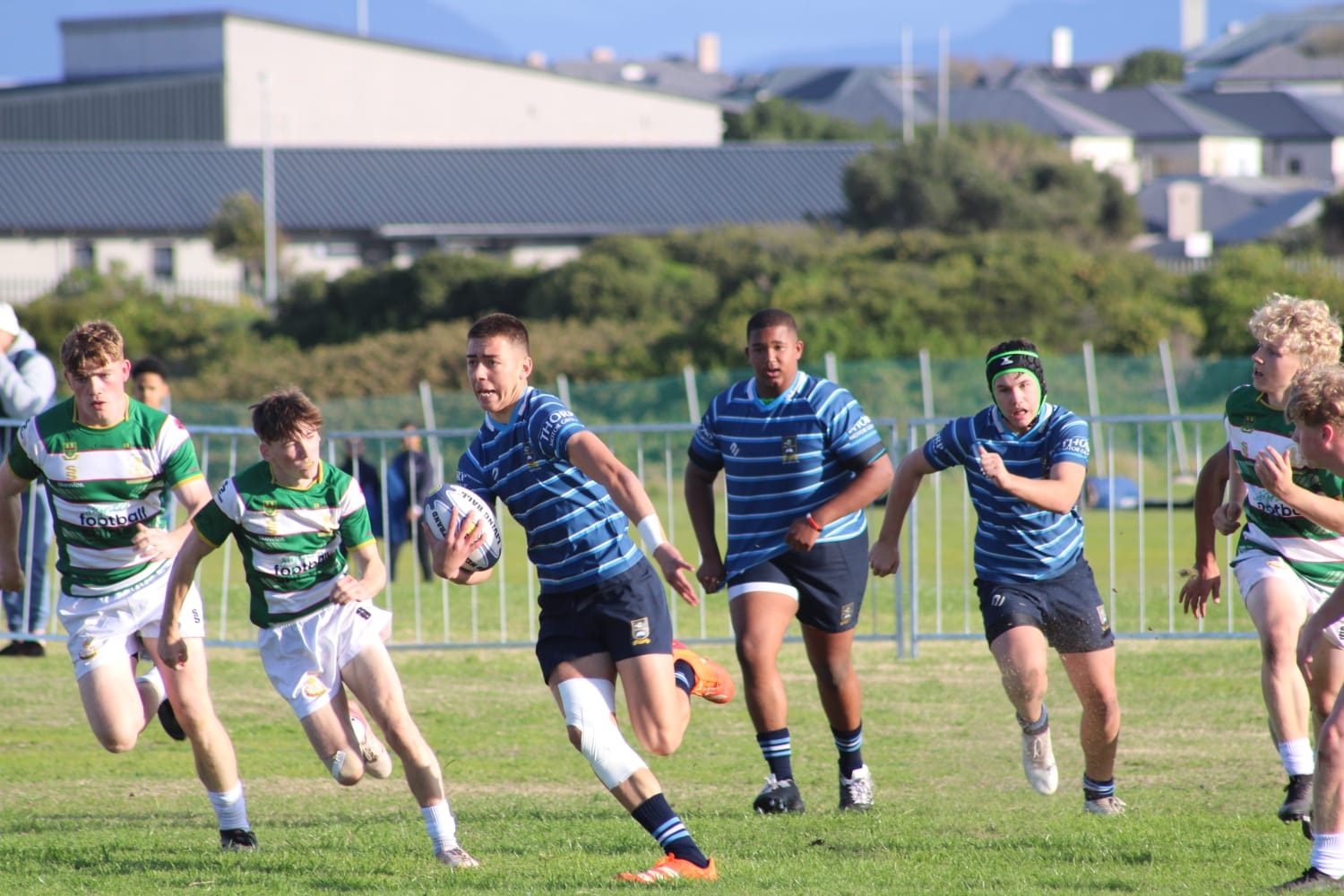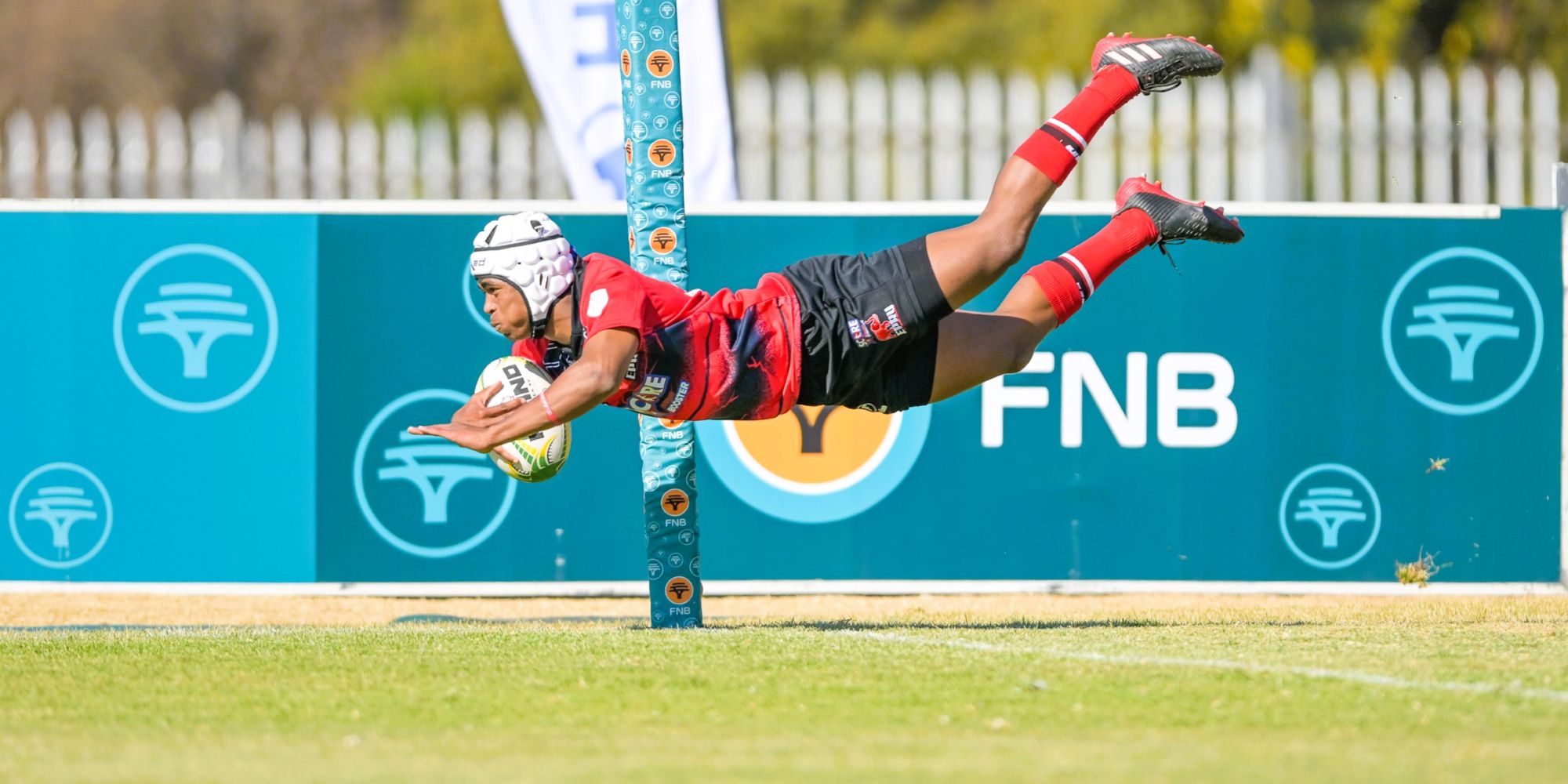
Despite furious objections to eleventh-hour squad interference, Eastern Province’s Grant Khomo coaching panel have opted to stay on and see the tournament through, prioritising player welfare over institutional protest as EPRU president George Malgas defends controversial demographic changes.
The selection tempest that threatened to sink Eastern Province’s youth rugby preparations has taken an unexpected turn, with coaches who issued scathing ultimatums over union interference now choosing to swallow their frustrations and press ahead with preparations.
It’s a decision driven by duty rather than satisfaction. The coaching panel remain deeply unhappy with the process that saw players who failed trials inserted into squads whilst merit-based selections were axed. But faced with the prospect of abandoning young players on the eve of a major tournament, they’ve opted to stay in the trenches.
Also read: EP Grant Khomo coaches issue ultimatum over selection meddling
EPRU president George Malgas has broken his silence with a robust defence of the union’s intervention, revealing the demographic tensions that sparked the controversy.
Malgas reveals demographic concerns
The EPRU president pulled no punches in explaining why the union rejected the selectors’ original squad list.
“We received a list of the proposed players from the selectors last Thursday, and we scrutinised the list, and we discovered the list is not representative of EP’s demographics,” Malgas stated.
“The team was largely made up of players from the NMB Metro, comprising three or four schools, and two schools from the Makhanda area. We were not happy to accept this list. It had not made any provision for players from the previously disadvantaged areas.”
The revelation exposes the clash at the heart of this controversy, selectors insisting they followed a transparent, merit-based process versus union administrators demanding greater representation from previously disadvantaged communities.
Malgas requested the selection panel return to the drawing board and identify players who had participated in the trial system or the Mali tournament.
“The next morning, there were three names brought to us, and those named were not meant to be brought into the mix as intended by ourselves, but according to the selectors, they had to be added into the group,” he explained.
“That would make our group not be in line with SA Rugby’s regulations regarding the sizes of the groups.”
Tense negotiations over final squad
Malgas’ account reveals a back-and-forth battle between union administrators and selectors over squad composition, a process that ultimately produced a compromise nobody seems entirely happy with.
“We then had an engagement with the selectors and asked them once again to wrap their heads around it. We came up with the name of one boy only from out of town that could be brought into the team,” Malgas revealed.
“EP brought that boy in on the advice of the selectors and on merit as such. We also brought in a second boy whose name was put on the table from the townships and an extra one for the standby list. All these names were forwarded to us by the selectors.”
The EPRU president was adamant the final squad resulted from consultation rather than unilateral union diktat.
“I want to reiterate those names were given to us and not thumb-sucked by us. I stand by what we did and how we came to it.”
Malgas noted the Under-13 and girls’ teams sailed through without controversy, suggesting the Grant Khomo squad became a flashpoint specifically because of demographic representation concerns.
Union defends stance
EP Rugby general manager Mzi Mpofu offered an uncompromising defence of the union’s intervention, framing it as a moral imperative rather than administrative overreach.
“We have a responsibility to ensure that youth representative teams are a reflection of the whole community that falls under the auspices of EPRU,” Mpofu declared.
“We cannot watch silently as children from disadvantaged and rural communities are systematically deprived of opportunities.”
His response to the coaching frustrations was pointed.
“If the inclusion of those children means that certain coaches and administrators will resign in protest of this inclusion of those children, then it is a rather unfortunate situation.”
Coaches choose players over principles
Despite their deep reservations about the process, the Grant Khomo management team, have opted to remain in their positions and guide the squad through the tournament. It’s a decision that speaks to their commitment to the players who have made the squad, whether through the original selection process or the subsequent amendments.
The coaches’ original complaints painted a damning picture, players inserted who hadn’t progressed beyond the third round of trials, standout performers omitted without clear rationale, and eleventh-hour changes made without proper consultation.
They warned that fast-tracking technically and physically unprepared players into high-performance environments risked player welfare and long-term development, whilst undermining the fairness and integrity of the selection process.
Their scathing letter demanded the squad be restored on merit and threatened mass withdrawal if changes weren’t reversed. But faced with the reality of abandoning young players weeks before a major tournament, they’ve chosen the harder path, staying on despite their objections.