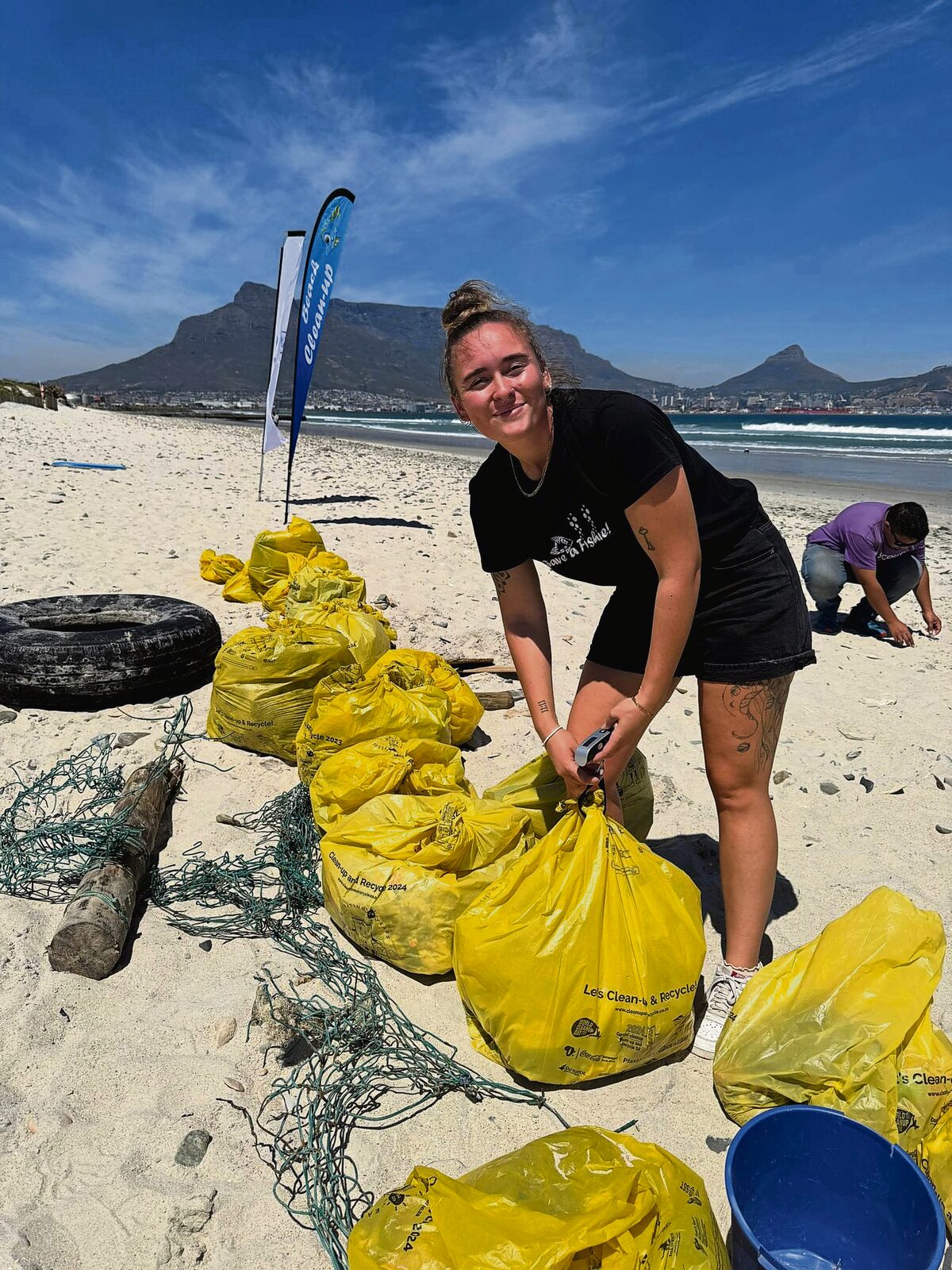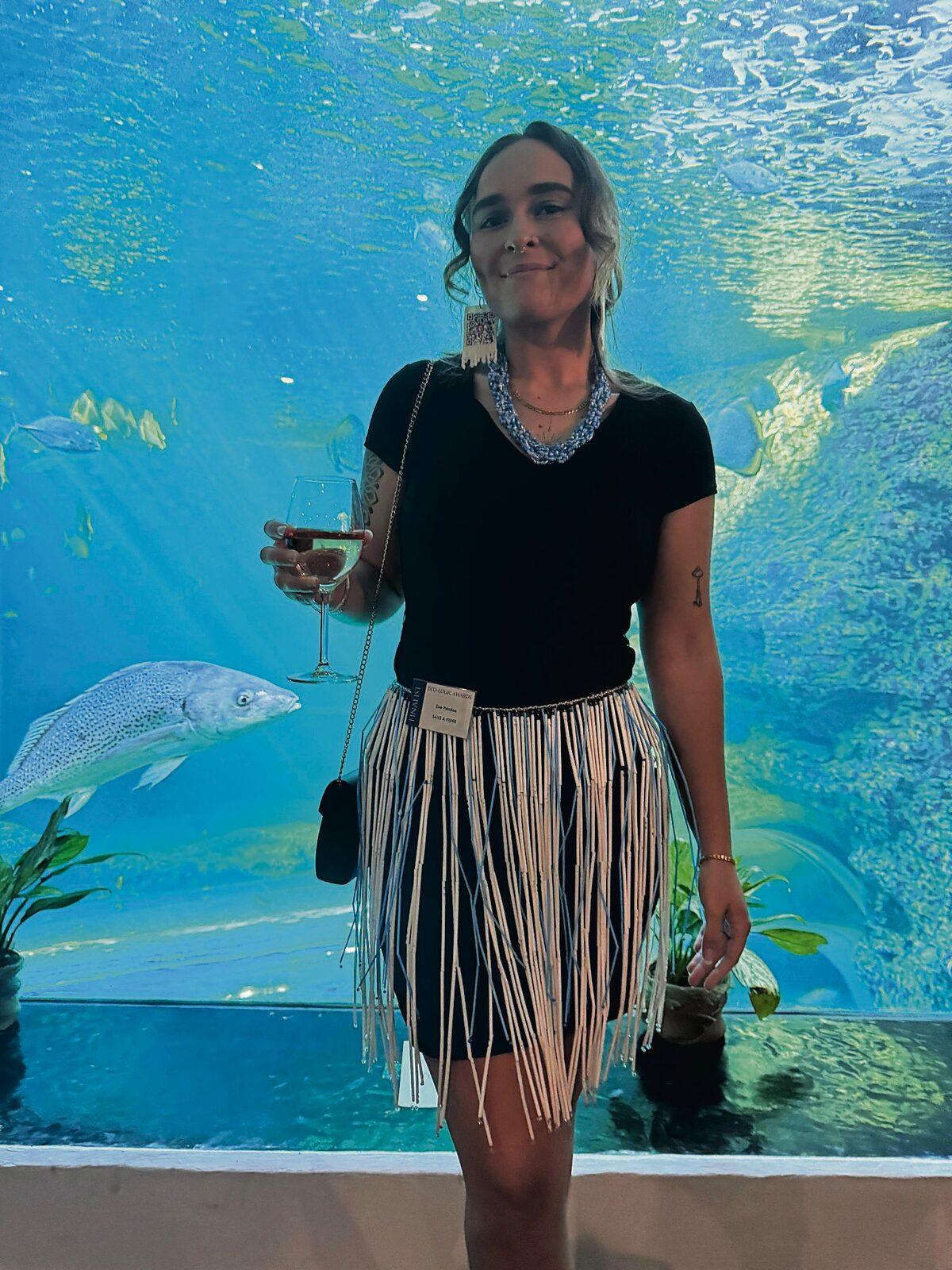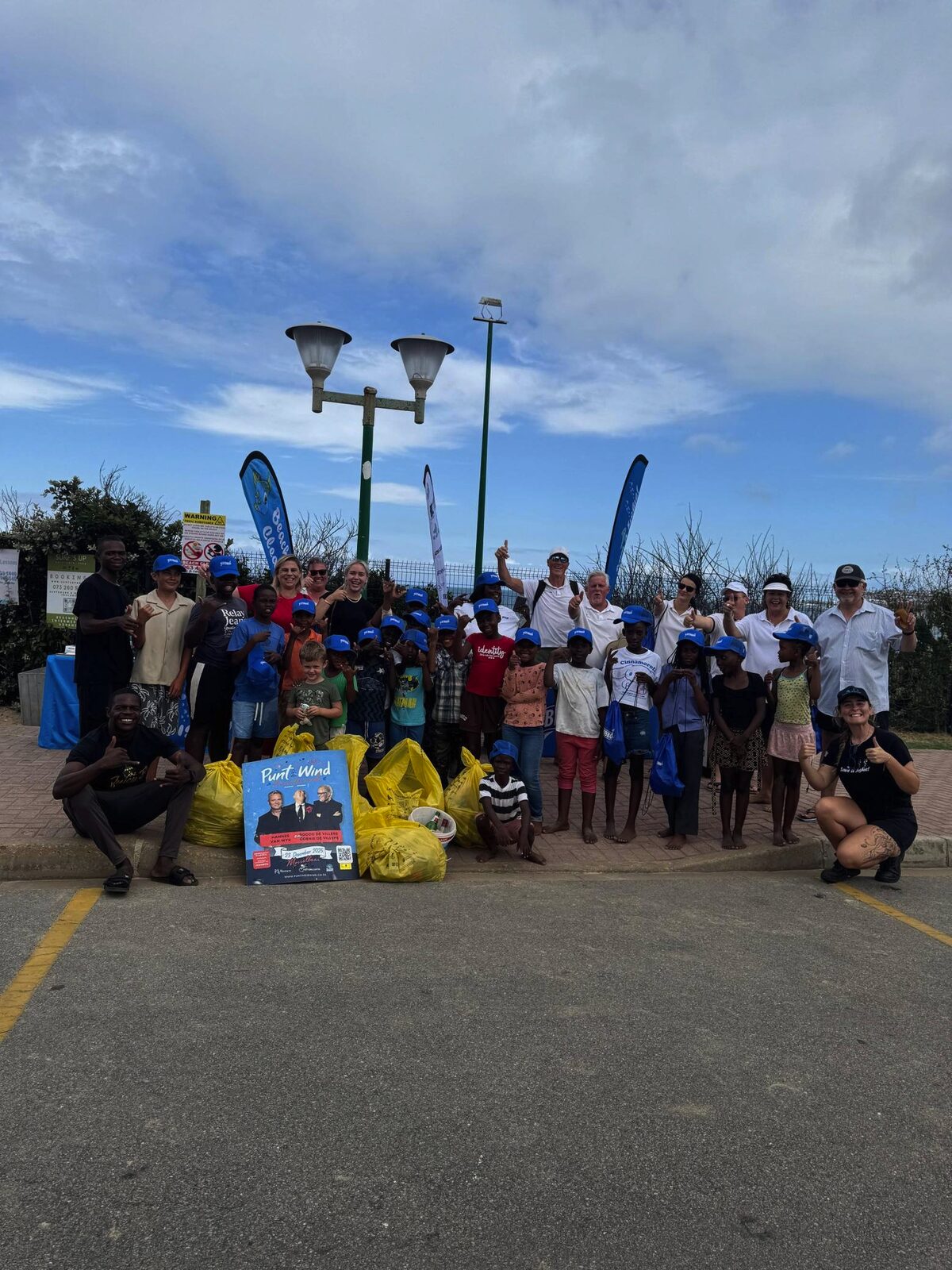
Cape Town-based environmental organisation Save a Fishie has officially kicked off its expanded Coast 2 Coast 2026 campaign; and this year the youth-led movement is going even bigger.
What began in 2023 as a single journey along South Africa’s coastline to clear plastic pollution and inspire communities has now been re-imagined. For 2026 Coast 2 Coast will be split into six focused clean-up trips throughout the year, making it easier for coastal communities nationwide to get involved.
“Over the past years youth-led action has proven its power right here at home,” said Save a Fishie founder Zoë Prinsloo.
“Our record 7,7 tons collected in 2025 shows how much South Africans care about our beaches, and splitting Coast 2 Coast into six trips lets us make an even bigger impact in our neighbourhoods.”
READ MORE: https://tygerburger.co.za/save-a-fishie-expands-national-coast-2-coast-campaign/

Record year for Cape Town and beyond
In 2025 alone Save a Fishie mobilised volunteers from Cape Town’s beaches to coastal hot spots across the country, removing an impressive 7,7 tons of waste. Items collected included plastic bottles, fishing gear, lollipop sticks, bottle tops, cigarette butts and other harmful litter.
The campaign also expanded its education initiatives, reaching thousands of learners and families and helping to spark a growing culture of environmental care.
Breaking the campaign into six shorter journeys will allow the team to:
- Time clean-ups according to tides and seasonal weather.
- Make it easier for schools, families and community groups to participate.
- Reach more neighbourhoods during key engagement periods.
- Improve tracking of litter hot spots.
- Offer more environmental talks and activities at local schools and events.
“This isn’t just a clean-up.” said Prinsloo, “it’s a community movement. By focusing on local areas throughout the year, we can work closer with our neighbours, adapt to changing conditions and inspire even more people to protect our oceans.”

Overberg leg a huge success
The first leg of Coast 2 Coast 2026, in the Overberg, is already a wrap, and a successful one at that.
The day began at Betty’s Bay Main Beach under threatening skies and strong winds. Although the beach appeared clean at first glance volunteers soon discovered litter hidden in dunes and bushes. Six kilograms of waste, including alcohol bottles, cigarette boxes and butts, wet wipes and chip packets, were collected from Betty’s Bay alone.
Local volunteers then directed the team to Hangklip in Pringle Bay, where the scale of pollution became even more apparent. A broken JoJo tank lay between the dunes, surrounded by bottle caps, thousands of lollipop sticks, plastic packets and nurdles, tiny plastic pellets that pose a severe threat to marine life.
By the end of the day 22 kg had been removed from that area alone. Overall, the Overberg leg saw an incredible 529 kg of litter cleared from the environment.
“Incredible people met,” Prinsloo related. “Meaningful connections made. New areas discovered. Memories created. Awareness raised. And to top it all off, over half a ton of litter removed.”
The next leg taking place on the West Coast at the end of March is already in preparation.

From straws to a movement
Prinsloo’s passion for ocean conservation began more than seven years ago while working toward her Protea Award in Guiding.
“I was shocked at how many straws I found on our beaches,” she said. “But when I saw that video of the turtle with a straw deeply embedded in his nose, that was literally the last straw for me. From that day I vowed to never use another plastic straw again.”
That moment sparked a deeper mission. Determined to find affordable, biodegradable alternatives, Prinsloo began sourcing eco-friendly products. Today, she proudly describes herself as the youngest distributor of eco-friendly products in South Africa.
“I would like to encourage you to say no when offered single-use plastic items such as straws or coffee cups,” she said. “Choose eco-friendly options like bamboo or metal straws, recycled stationery, bamboo toothbrushes, biodegradable plasters and bags made from recycled plastic bottles.”

Nurdles still washing ashore
Among the most concerning pollutants are nurdles, tiny plastic pellets that serve as the raw material for nearly all plastic products. These microplastics blend in with sand and shells and have been washing up on South African beaches since a major spill in October 2017, when a Mediterranean Shipping Company vessel lost 49 tons of nurdles during a storm.
Nearly a decade later they continue to appear along the coastline. “They just keep washing up on our shores,” said Prinsloo.
Get involved
Save a Fishie is calling on communities to join the movement and help raise awareness about ocean pollution.
Donations can be made via their BackaBuddy campaign, and those wanting to get involved can email info@saveafishie.co.za. Supporters can also follow the journey on Facebook to stay updated on upcoming clean-ups.