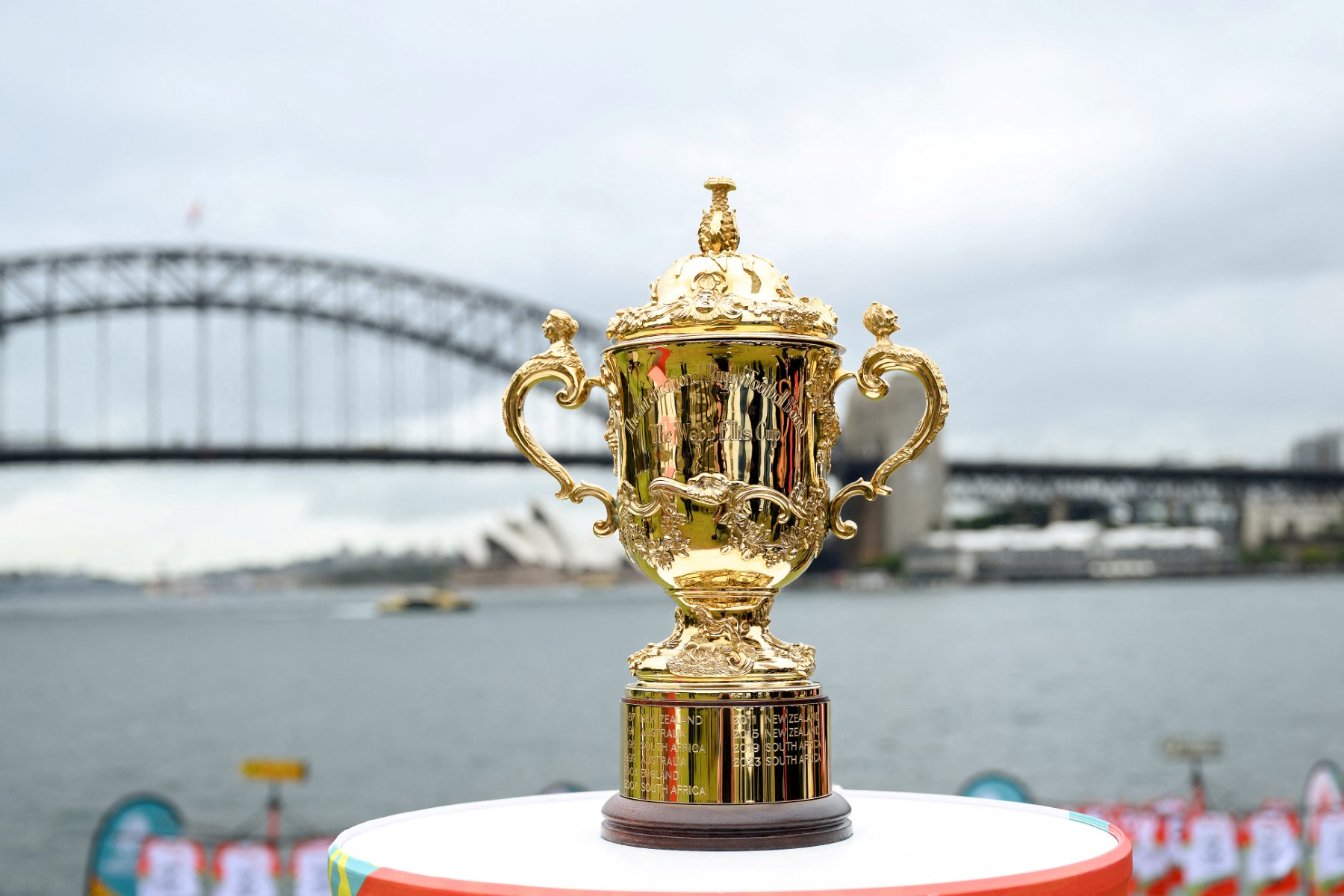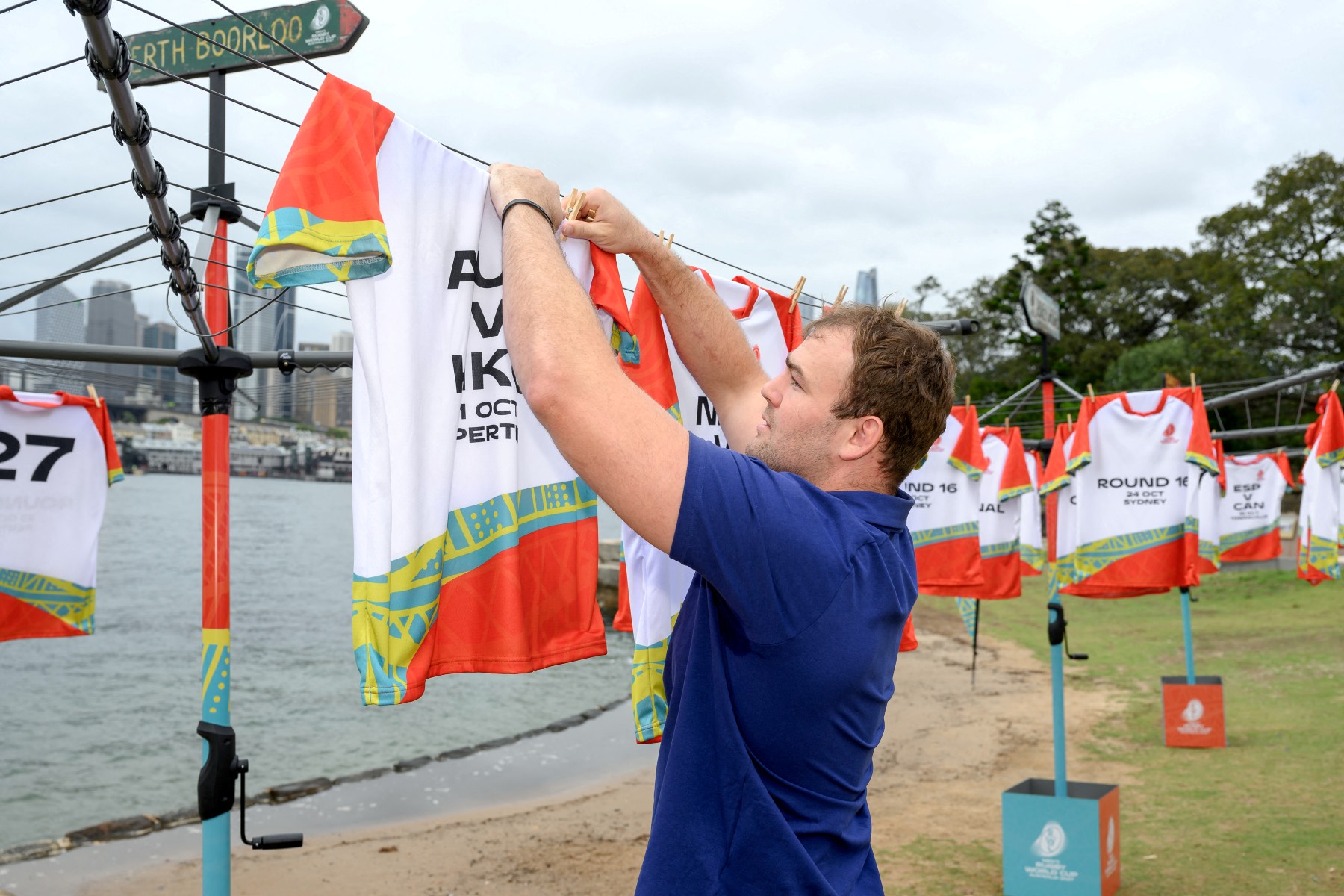
With exactly one year until the opening whistle, rugby’s global carnival will sweep across eight spectacular Australian stadiums, from the iconic cauldron of Brisbane to the tropical haven of Townsville, from the historic Adelaide Oval to the state-of-the-art marvel in Perth.
The 2027 Rugby World Cup runs from 1 October to 13 November, bringing 24 nations and 52 matches to venues spread across the country’s sporting heartland. As the countdown clock hits the one-year mark, here’s your complete guide to the eight arenas that will host rugby’s greatest show.
Stadium Australia, Sydney (82,000-capacity)
The tournament’s heavyweight champion. Also known as the Olympic Stadium after serving as the centrepiece of the 2000 Sydney Games, this colossal venue will host eight matches, including both semi-finals and the final.
Located in Sydney’s west, it’s currently home to National Rugby League clubs Canterbury Bulldogs and South Sydney Rabbitohs. Since opening in 1999, it has staged countless major sporting spectacles and will join elite company, Eden Park, Twickenham and the Stade de France, as the only stadiums to host a men’s Rugby World Cup final for a second time.
This is where history will be made.
Adelaide Oval (53,000)
Perched on the River Torrens just minutes’ walk from the city centre, Adelaide Oval is steeped in sporting heritage. Best known for hosting cricket and Australian Rules continuously since its official opening in 1873, it’s also an occasional rugby venue that featured during the 2003 Rugby World Cup.
This time it will host six pool games, including South Africa’s opening clash in their title defence against Italy, a fitting stage for the Springboks to begin their quest for an unprecedented fifth crown.
Docklands Stadium, Melbourne (53,000)
The only tournament venue with a roof, and it’s staying closed. Also known as Marvel Stadium, the retractable roof will remain shut for all matches to ensure perfect playing conditions regardless of Melbourne’s famously unpredictable weather.
It hosted seven World Cup matches in 2003 and has been allocated eight this time, six pool games and two from the round of 16. France, New Zealand and Ireland will all grace this arena. Opened in 2000 in the heart of the city, it’s home to several Australian Rules teams including Essendon, St Kilda and Western Bulldogs.
Brisbane Stadium (52,500)
Known as Suncorp Stadium and formerly Lang Park, this is Brisbane’s major sporting and entertainment hub and one of Australia’s most iconic rugby venues. Nicknamed “The Cauldron” for good reason, the atmosphere here on big match days is absolutely electric.
It will host 10 matches, including six pool games, two from the round of 16 and two quarter-finals. England open their tournament here against Tonga on October 2, with Australia, Japan, Scotland and South Africa also in action at this cathedral of Queensland sport.
Home to Super Rugby’s Queensland Reds, rugby league powerhouse Brisbane Broncos and Brisbane Roar, this ground has seen it all.
Perth Stadium (60,000)
Where it all begins. Opened in 2018 on the Swan River, Perth Stadium, also known as Optus Stadium, is a regular Wallabies venue and will host the tournament’s opening match on October 1 when Australia face Hong Kong.
The third-largest stadium in Australia after the 100,000-capacity Melbourne Cricket Ground and Stadium Australia, it will host four other pool matches and two from the round of 16, with New Zealand, Ireland and the United States among the teams on show.
Primarily used for Australian Rules and cricket, the stadium’s stunning riverside location makes it one of the world’s most picturesque sporting arenas.
Sydney Football Stadium (42,500)
The new kid on the block. Completed in 2022 to replace the ageing Allianz Stadium on the same site, which has hosted sports since 1903, this state-of-the-art facility at Moore Park sits next to the famous Sydney Cricket Ground.
Regularly used for football, rugby league and rugby union, as well as concerts, it will host three pool games and two from the last 16. Location-wise, you can’t beat it—right in the heart of Sydney’s sporting precinct.
North Queensland Stadium, Townsville (25,000)
Making its Rugby World Cup debut, this striking venue’s roof design is inspired by the tropical pandanus plant native to the region. Opened in 2020, it represents the tournament’s push into rugby’s growth markets.
The Wallabies have played here several times in recent years as the sport broadens its geographical reach. It will host four pool matches with Tonga, Canada, Georgia and Spain among the teams to feature. Home to rugby league’s North Queensland Cowboys, this is rugby union’s chance to showcase itself in the tropical north.
Newcastle Stadium (30,000)
Better known as McDonald Jones Stadium, this venue sits a two-hour drive north of Sydney in a city renowned for its beaches and passionate sporting culture.
Opened in 1970, it’s primarily used for rugby league and football but has plenty of pedigree—hosting games during the 2008 Rugby League World Cup and the 2015 Asian Cup. International rugby union has become increasingly popular here, with the ground hosting a match during the 2013 British and Irish Lions tour and Ireland facing Japan there this year.
Four pool games will be played in Newcastle, with Japan returning alongside Fiji, Italy and Samoa.
From coast to coast, city to city, these eight arenas will host rugby’s greatest party. The countdown is on.
ALSO READ: One year to go: Springboks eye history down under