
South Africa’s world-famous Rooibos is about to embark on its most extraordinary journey yet – to space. In a first for the country, Rooibos seeds will be launched to the International Space Station (ISS) later this year, where they will be exposed to the harsh conditions of space before returning to Earth in a pioneering scientific experiment that could shape future agriculture both on Earth and beyond.
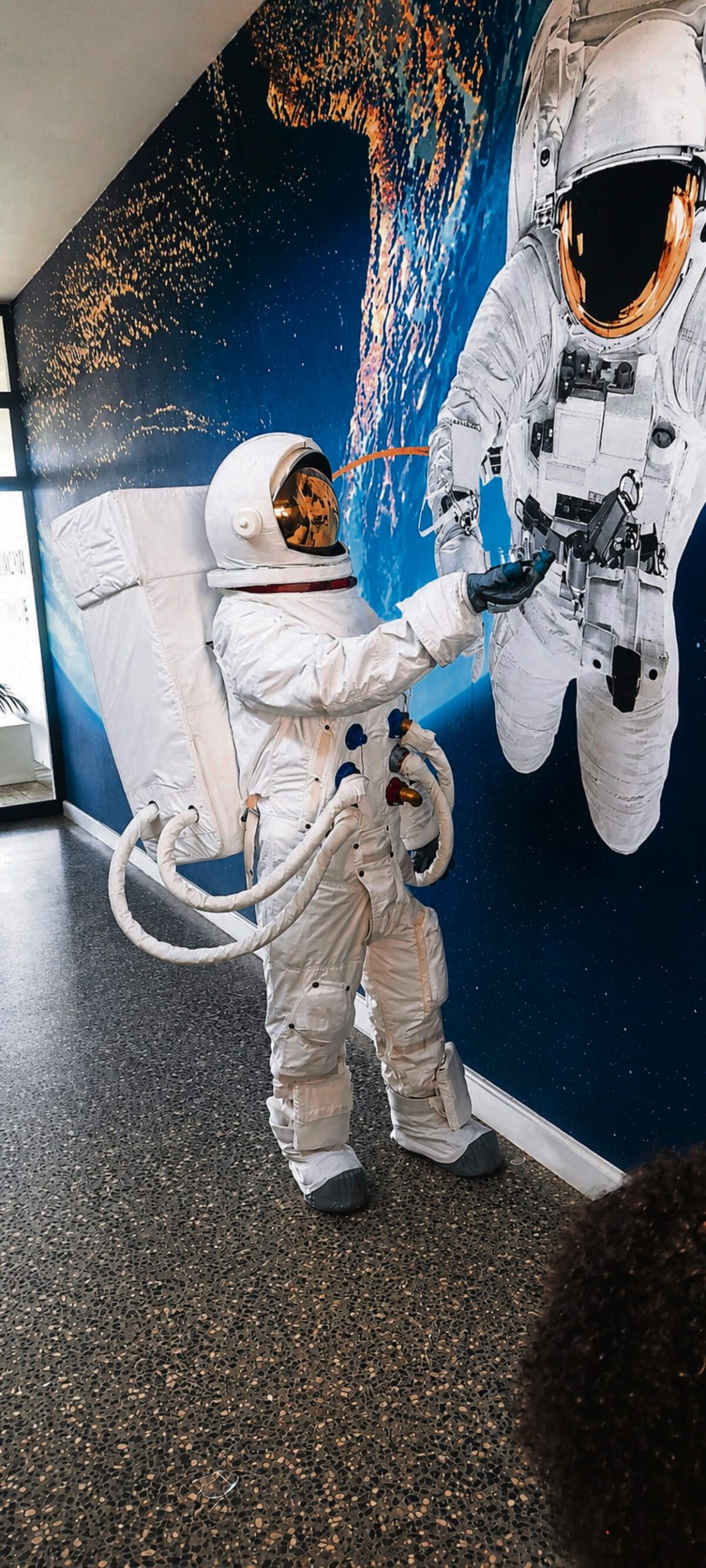
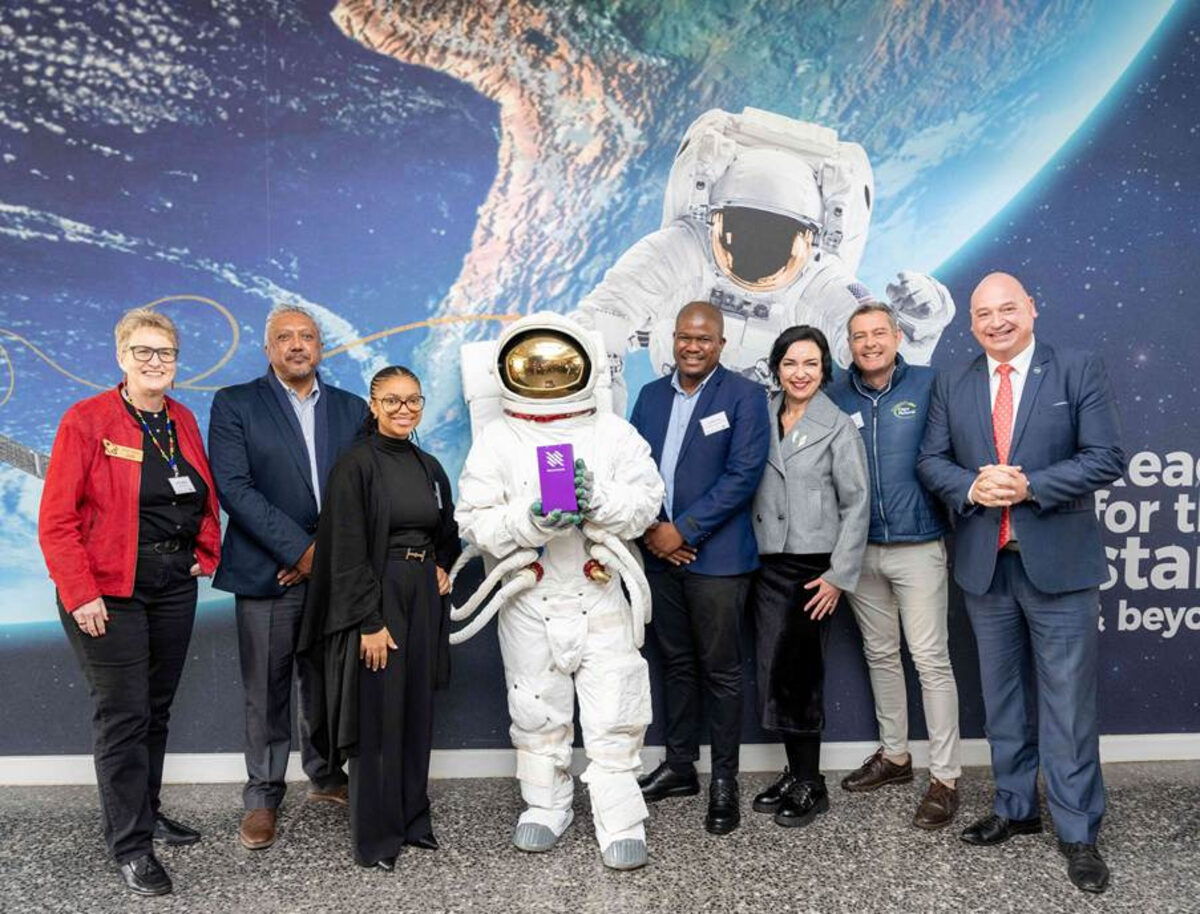
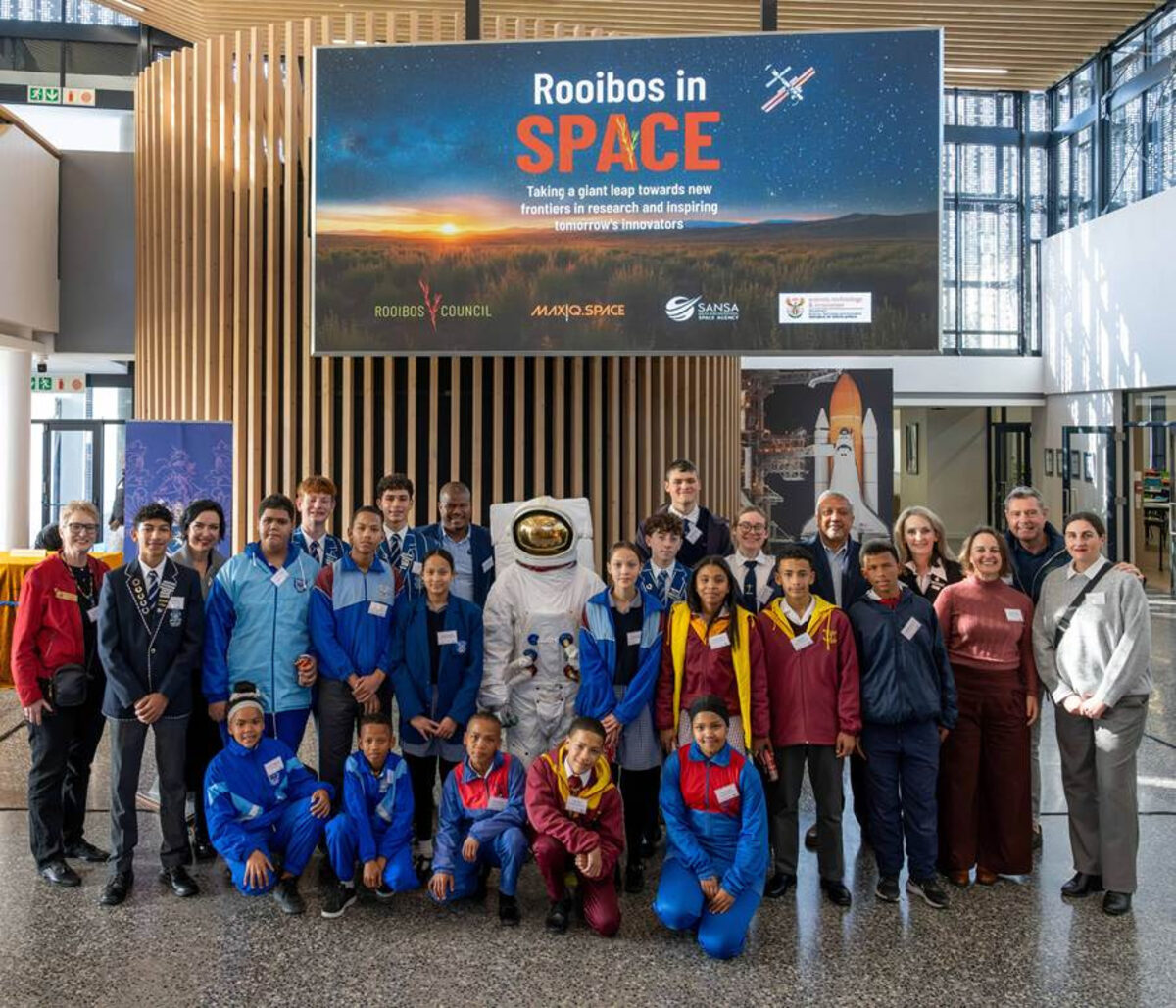
The groundbreaking Rooibos in Space programme was officially launched on Thursday at Parklands College’s Innovation Centre in Cape Town, bringing together leaders from government, education, agriculture, academia and South Africa’s growing space sector.
The initiative, conceived by the South African Rooibos Council (SARC), is being delivered in partnership with MaxIQ Space and supported by the South African National Space Agency (SANSA).
It marks the first time South African Rooibos seeds will travel to the International Space Station as part of an international space research programme.
The experiment combines space science with agricultural innovation while inspiring the next generation of scientists through hands-on Science, Technology, Engineering and Mathematics (STEM) education.
From the Cederberg to orbit
In October, Rooibos seeds will be launched to the ISS, where they will spend several weeks exposed to microgravity and space radiation.
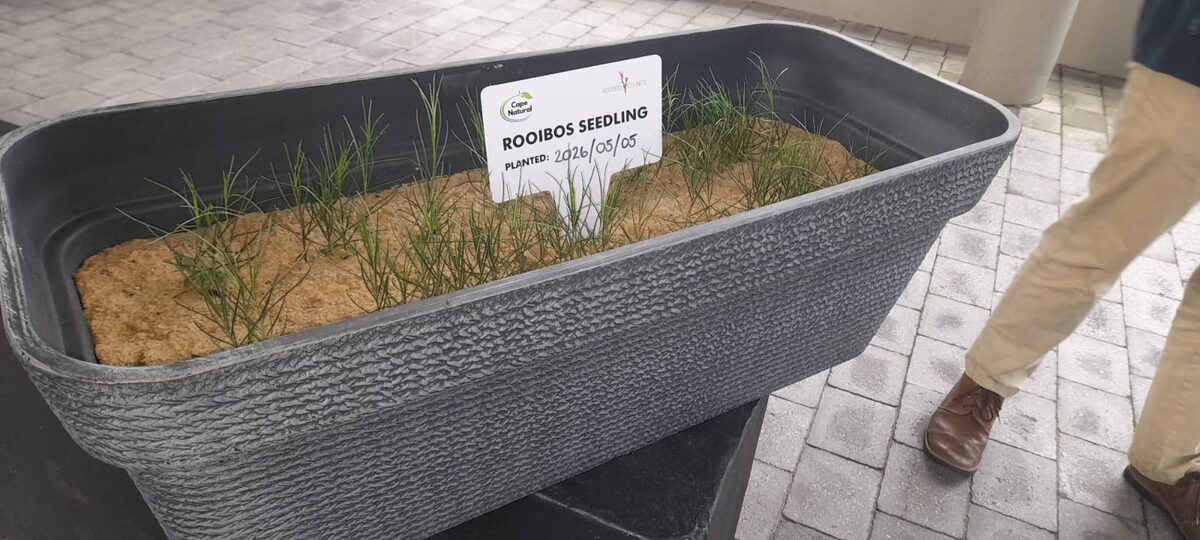
Once they return to Earth, scientists and learners will plant the space-travelled seeds alongside identical seeds that remained on Earth.
Researchers will compare germination rates, growth, resilience and crop yield to determine how exposure to space conditions affects the indigenous South African plant.
The project places Rooibos alongside a growing list of plants being studied in space as scientists search for sustainable ways to grow crops during future long-duration missions beyond Earth.
Learners become space scientists
The scientific investigation will be led by learners from seven schools in the Cederberg, the birthplace of Rooibos.
Working alongside local Rooibos farms, learners will collect data, monitor plant development and analyse the results as part of a structured scientific study.
A parallel experiment at Parklands College will provide additional comparative data.
Beyond the research itself, participating schools will take part in an extended STEM education programme designed to connect classroom learning with real-world scientific investigation.
Learners from across South Africa will also have the opportunity to design the official Rooibos in Space mission patch during July and August.
Growing science beyond Earth
According to Dawie de Villiers, director of the South African Rooibos Council, the project demonstrates how one of the country’s most iconic indigenous plants can contribute to international scientific research.
“Rooibos has long been part of South Africa’s agricultural heritage. This project places it within a broader scientific context, where plant biology, space research and education intersect. It also reflects the importance of investing in scientific literacy and skills development for the next generation of researchers and innovators.”
Judi Sandrock of MaxIQ Space said exposing learners to genuine scientific research is one of the programme’s greatest strengths.
“The value of this project lies in giving learners exposure to real research processes linked to space science. It provides a structured opportunity to develop scientific thinking, data analysis skills and an understanding of how experimentation works in practice.”
South Africa’s space ambitions
The project also highlights South Africa’s expanding role in space science and innovation.
SANSA’s Science Engagement Unit head, Thandile Vuntu, said initiatives such as Rooibos in Space help develop the scientific skills needed for future careers while strengthening collaboration between government, industry, education and research institutions.
Organisers said the public will be able to follow the mission through regular updates as the countdown begins for the October launch, when South Africa’s signature Rooibos will make history by taking its place among the stars.
ALSO READ: Parklands College learners’ code run at space station