

After being feared extinct for almost 40 years, the elusive Erica cunoniensis has been rediscovered in the Kogelberg Nature Reserve, marking a remarkable victory for conservation efforts in the Western Cape.
The rare plant species, last recorded in the 1980s, was thought to have disappeared after an unsuccessful search in 2012. In September 2025, a team from CapeNature, working with the Custodians of Rare and Endangered Wildflowers (CREW), located eight surviving individuals of Erica cunoniensis on the only known site where the species occurs – Buffelstalberg.
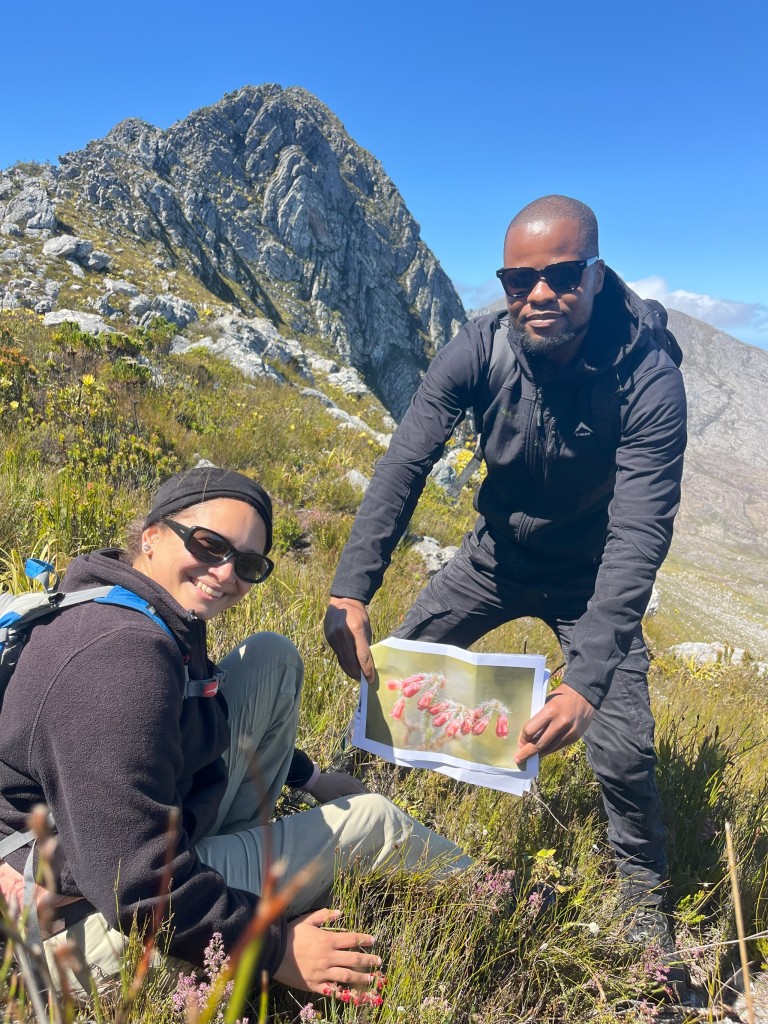
Kogelberg Nature Reserve, often referred to as the “heart of the fynbos,” is home to about 1 800 plant species, 150 of which are found nowhere else on Earth.
Historical records suggest that around 200 individuals of Erica cunoniensis once grew in the area, but none had been seen for decades. Until Sylvia Wolita, a Pupil Field Ranger at Kogelberg, made this rediscovery during a routine monitoring expedition.
“Finding a rare plant species is a reminder that nature is both fragile and resilient,” Wolita said. “The dedication of our field staff and partners helps us to achieve our mandate as custodians of the Western Cape’s incredible floral diversity.”
Her find was met with excitement and relief among the monitoring team, which included fellow CapeNature Field Ranger Cairestine Lottring.
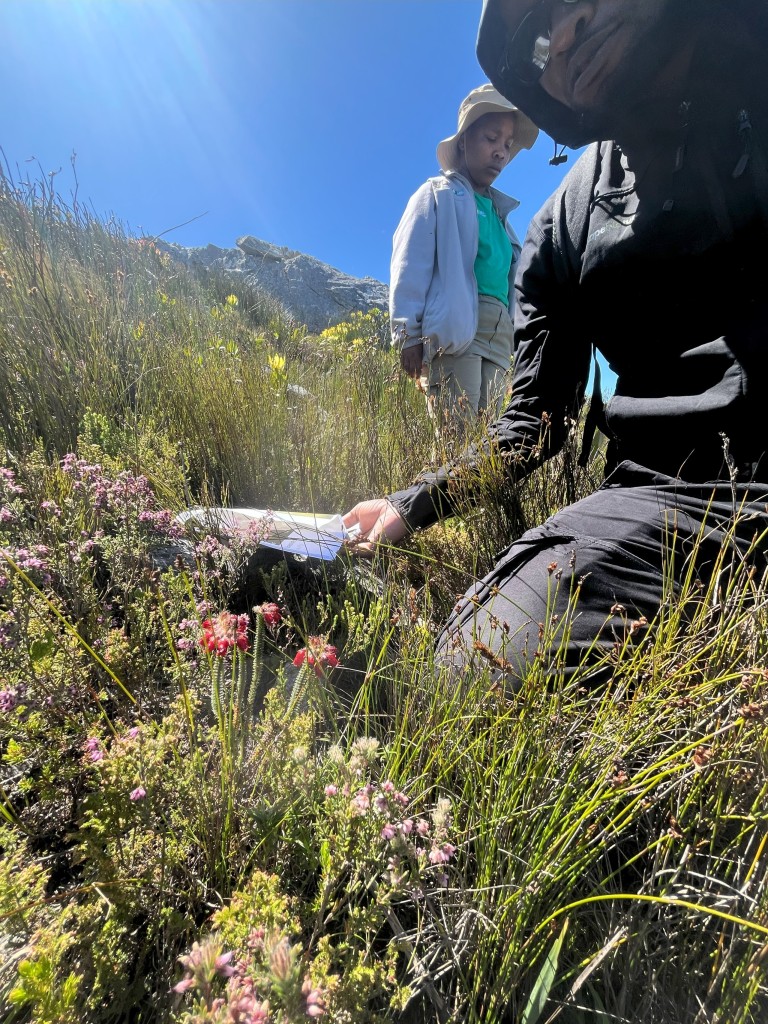
“By combining expertise, curiosity, and commitment, we’re able to make meaningful contributions to biodiversity knowledge and ensure that even the rarest species are not forgotten,” Lottring said.
CapeNature’s discovery underscores the importance of ongoing monitoring and collaboration between professional conservationists and citizen scientists, as seen in initiatives such as the CREW network.
The finding also underscores the global ecological significance of the Cape Floristic Region, one of the world’s most diverse biodiversity hotspots. The region, located almost entirely within the Western Cape, is home to 13 489 recorded plant species. More than half of these species occur nowhere else on Earth.

To protect this unique heritage, CapeNature continues to manage and conserve the region through fire prevention, invasive species control, and the promotion of responsible tourism and sustainable development.




You must be logged in to post a comment.