


A groundbreaking 20-hectare nature reserve has been officially declared in the Western Cape, becoming the first protected area dedicated to safeguarding the rare and endangered Cape Vernal Pools ecosystem.
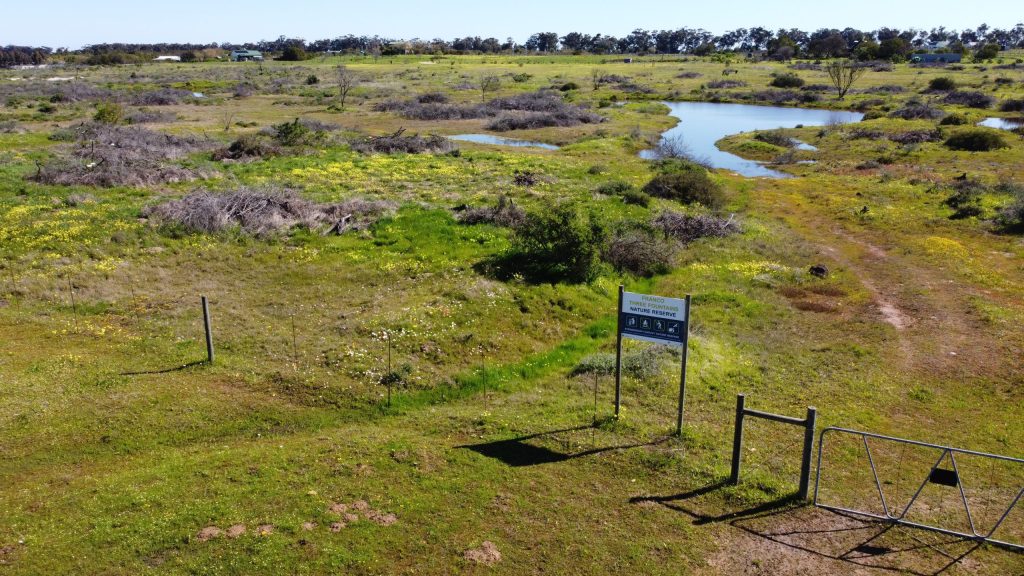
The Franco Three Fountains Nature Reserve, located in the Klein Dassenberg smallholdings area near Cape Town, was proclaimed on 11 April under the National Environmental Protected Areas Act. The privately-owned reserve represents a significant conservation milestone, protecting a unique seasonal wetland ecosystem previously unrepresented in South Africa’s conservation network.
CapeNature facilitated the legal process to establish the reserve on land owned by the Franco Property Trust. Trustees Tony and Jodie Franco have dedicated years to transforming their property into a haven for critically endangered habitats and species.
Biodiversity hotspot protected
The reserve safeguards a mosaic of threatened ecosystems, including Atlantis Sand Fynbos and Swartland Shale Renosterveld. Seasonal wetlands, vernal pools and ephemeral streams on the property feed into the Donkergat River system, ultimately draining through Blaauwberg Nature Reserve into the Atlantic Ocean at Melkbosstrand.
A comprehensive botanical survey has recorded 156 plant species within the reserve’s boundaries, with 22 species classified as being of conservation concern. Several species are listed as critically endangered, while others carry endangered status.
Official welcome
Western Cape Provincial Minister Anton Bredell welcomed the reserve’s establishment as a positive step for biodiversity conservation.
“The establishment of this Provincial Nature Reserve is yet another positive step in conserving the irreplaceable biodiversity of the Western Cape,” Bredell said. “This reserve protects unique ecosystems and threatened species, while demonstrating what can be achieved through responsible stewardship and long-term commitment to conservation.”
Decades of restoration efforts
The reserve’s declaration follows an intensive restoration journey spanning several years. In 2022, a major clearing operation began to address over 60 years of invasive alien plant infestation, primarily Rooikrans and Port Jackson species.
Despite setbacks including a significant wildfire that year which destroyed infrastructure and impacted recovering plant populations, rehabilitation efforts continued. By 2024, the site had entered a maintenance phase with reinstalled fencing, signage and an ambitious replanting programme.
Trustee Jodie Franco expressed pride in seeing the land formally recognised for its ecological importance.
“What began as an effort to clear invasive plants has grown into a long-term commitment to restoring rare and threatened habitats,” Franco said. “The declaration is an example of what is possible when private landowners embrace conservation as a shared responsibility.”
Restoration success
To date, more than 3,000 Cape thatching reed seedlings and nearly 1,000 translocated wetland and fynbos plants rescued from nearby developments have been introduced to restore ecological balance and habitat resilience.
The reserve’s addition to the provincial protected area network demonstrates the impact of private land stewardship in addressing conservation gaps. CapeNature encourages other landowners to explore similar pathways to formally protect ecologically significant sites.
Landowners considering formal protection for their properties can contact CapeNature’s Antia Wheeler at awheeler@capenature.co.za or Kaylin Reid at kreid@capenature.co.za for guidance on the declaration process.



You must be logged in to post a comment.