Six months after President Cyril Ramaphosa promised a swift investigation into alleged military defiance over Iran’s participation in a naval exercise, South Africans are still waiting for answers.
The Democratic Alliance (DA) has revealed through a parliamentary question that the probe into the embarrassing January incident remains incomplete, despite the president’s directive that it be finalised within one month.
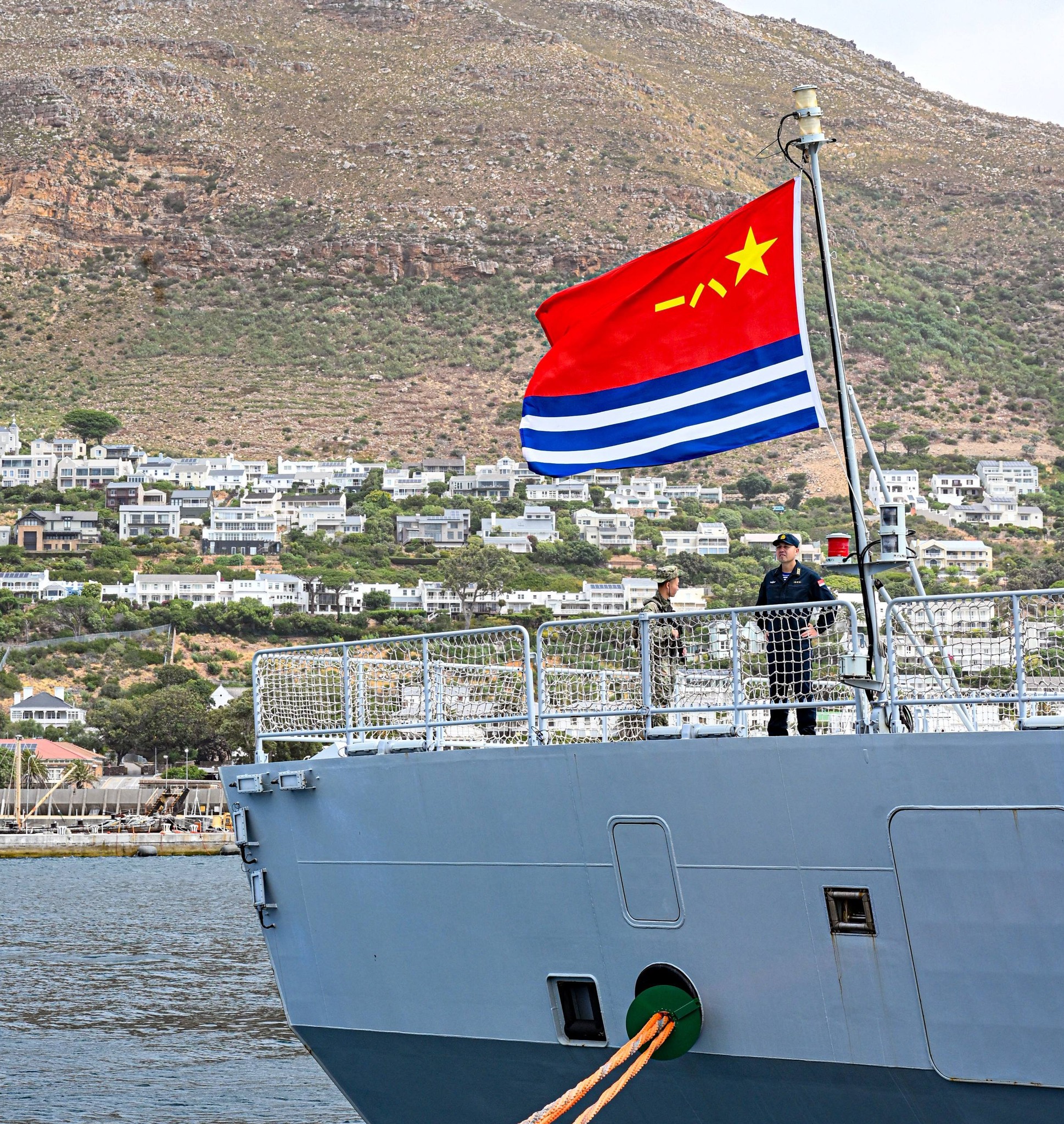
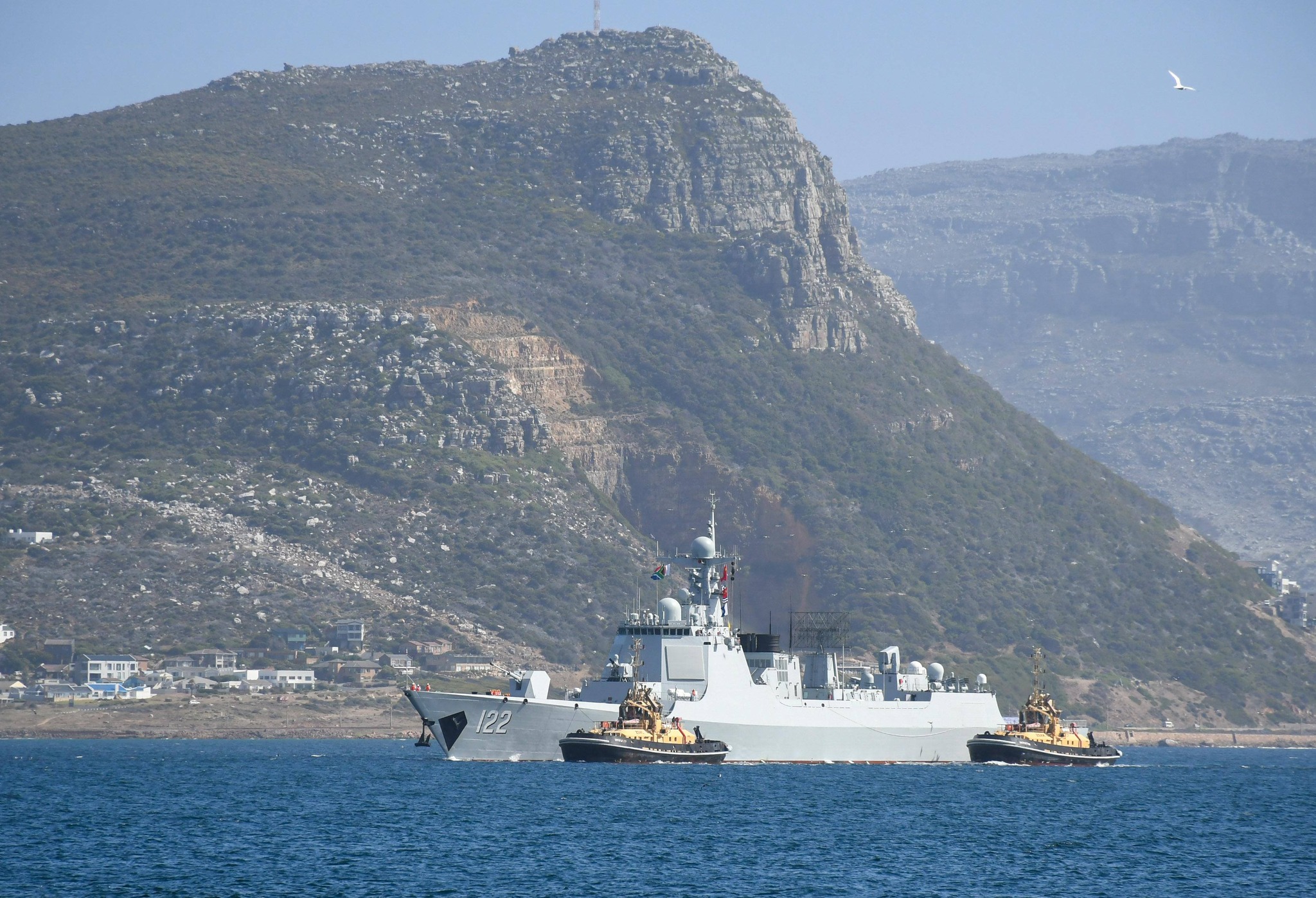
The controversy erupted during Exercise Will for Peace 2026, a multinational naval drill held off Cape Town’s coast from 9 to 16 January. Iranian warships took part in the exercise alongside vessels from China, Russia, the United Arab Emirates and South Africa – despite Ramaphosa having reportedly issued a direct order excluding Iran from active participation.
Presidential order allegedly ignored
According to reports at the time, Ramaphosa convened a meeting on 9 January with senior officials, including his national security adviser, the Minister of Defence and Military Veterans, the Minister in the Presidency, and the Minister of International Relations and Co-operation. During this meeting, he instructed that Iran should serve only as an observer rather than an active participant in the exercise.
The decision was reportedly driven by concerns over diplomatic relations with the United States and Iran’s domestic political situation. However, three Iranian warships – including the IRIS Makran and IRIS Shahid Mahdavi – continued to participate fully in the sea phase of the exercise, which was led by China.
The incident raised serious questions about civilian control of the military. Section 202 of the Constitution vests supreme command of the South African National Defence Force (SANDF) in the President as Commander-in-Chief.
Investigation transferred to presidency
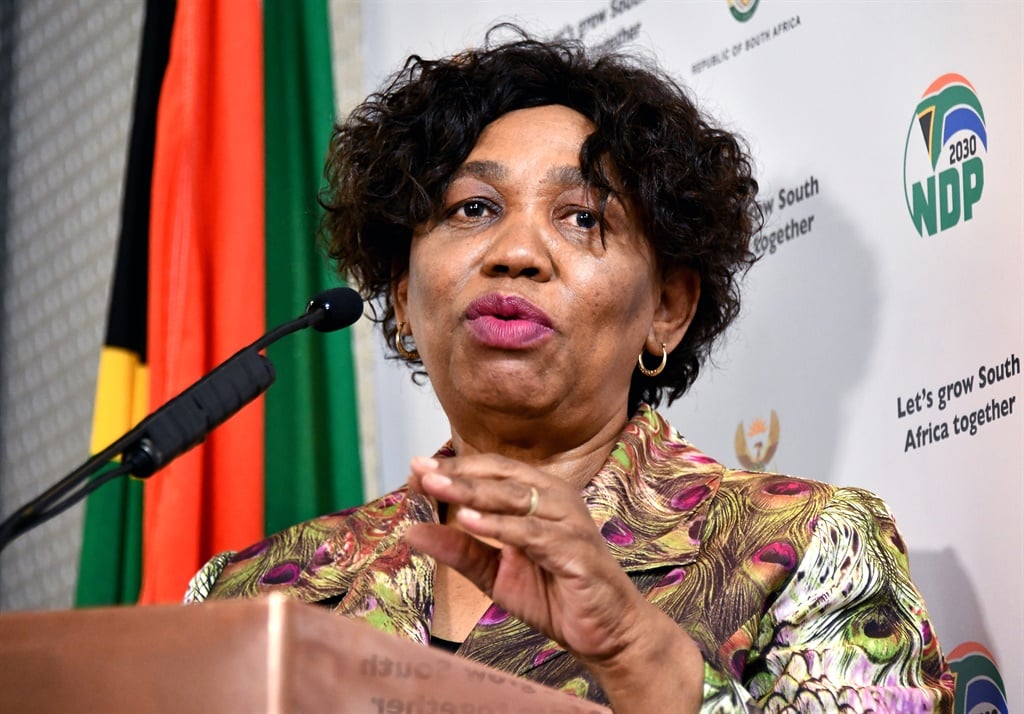
Defence Minister Angie Motshekga initially announced a Board of Inquiry on 16 January, promising a report within one week. That report never materialised. The inquiry, chaired by retired Judge Bernard Ngoepe and including retired judges Kathy Satchwell and Monica Leeuw, as well as retired SA Navy Rear Admiral Patrick Duze, faced procedural delays and reported legal technicalities.
On 26 February, Ramaphosa took direct control of the investigation, removing it from the Department of Defence to ensure independence. The Presidency stated the panel would report within one calendar month, subject only to an extension on compelling cause shown.
That deadline has long passed. According to the DA’s parliamentary question, the president has confirmed he still has not received the report, which is now only expected within six months. No reason has been given for the delay.
ALSO READ: US condemns Iran’s participation in South African naval exercises
Demands for accountability
Chris Hattingh, the DA’s spokesperson on Defence and Military Veterans, said the delay transforms the issue from being simply about a naval exercise into a constitutional crisis regarding civilian control over the military.
“This is no longer merely about a naval exercise. It is about the constitutional principle of civilian control over the military,” Hattingh said.
He added that if Ramaphosa’s instruction was ignored, South Africans deserve to know. If it was not ignored, the president should say so unequivocally.
“The basic command-and-control facts should have been established within days, not months. Instead, Parliament still does not know who authorised Iran’s participation, why the President’s instruction was allegedly not implemented, or who is accountable,” Hattingh said.
The DA has vowed to continue pursuing the matter until South Africans know what happened, who was responsible, and what corrective action has been taken.
“The authority of the Commander-in-Chief is not negotiable, civilian control of the military is not optional, and accountability cannot be delayed indefinitely,” Hattingh said.
The Presidency has not provided clarity on why the investigation has taken far longer than promised, leaving questions unanswered about one of the most significant challenges to presidential authority in recent memory.
ALSO READ: South African Defence Minister orders probe into Iranian naval exercise participation