

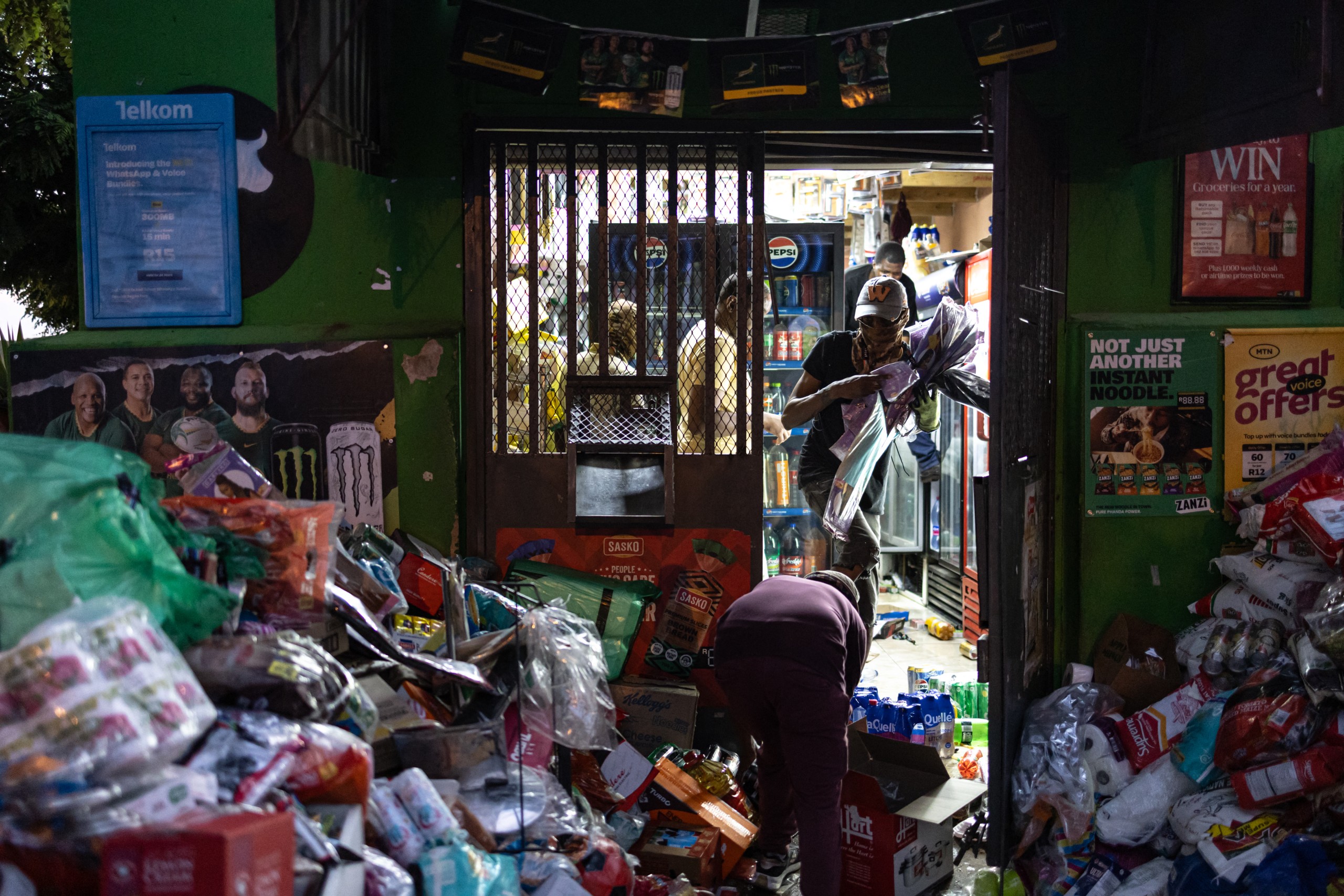
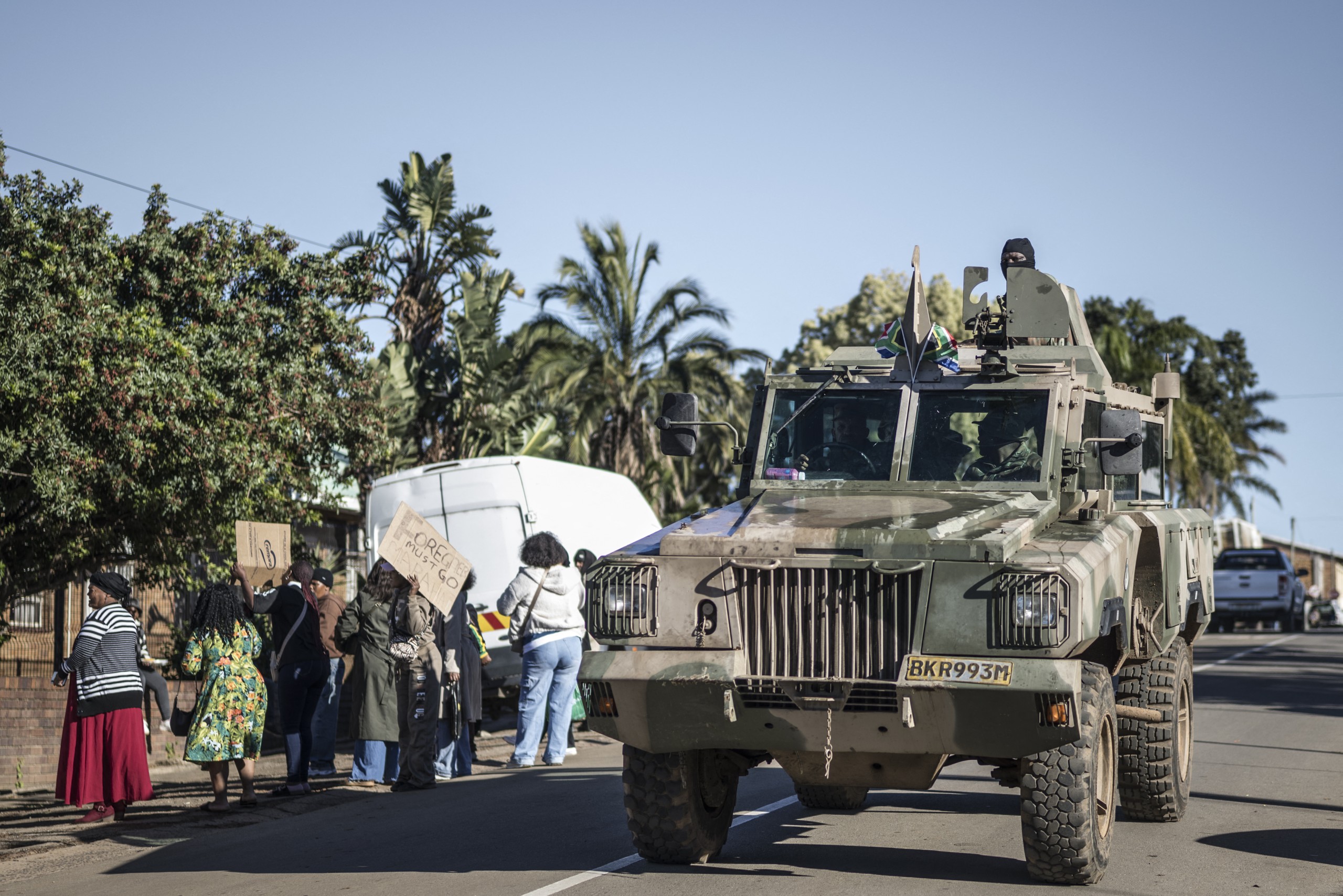
Protesters clashed with foreign nationals in South Africa on Thursday after a court ordered the government to restart processing asylum applications, reigniting tensions over migration.
Violence broke out in Johannesburg’s Soweto township and the east coast port city of Durban. Mobs torched several cars and looted small foreign-run stores.
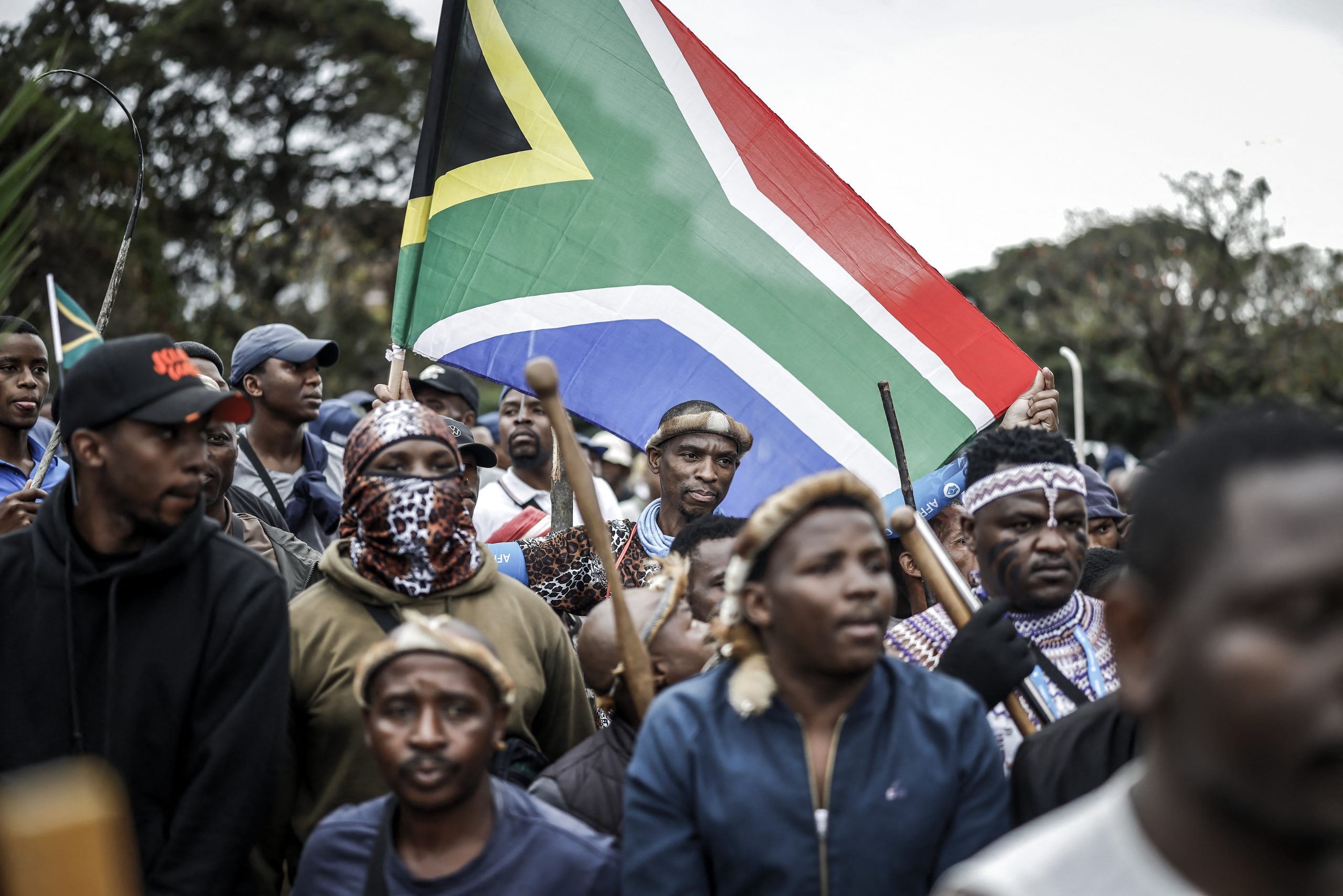
Anti-migrant movements, which organised demonstrations earlier this year that forced tens of thousands to leave the country, called for the fresh protests.
14 vehicles burn in Durban clashes
In Durban, violence erupted after allegations that a foreign national assaulted a South African demonstrator. Police said protesters burned at least 14 vehicles.
Officers arrested three foreign nationals and fired rubber bullets to disperse the crowds. AFP reporters said protesters set a business run by foreigners alight and looted others. An official confirmed a municipal building also caught fire.
In Soweto, mobs torched at least 10 vehicles, but police reported no injuries. Looters raided small convenience stores, which migrants often run and which become particular targets during bouts of xenophobic unrest in South Africa.
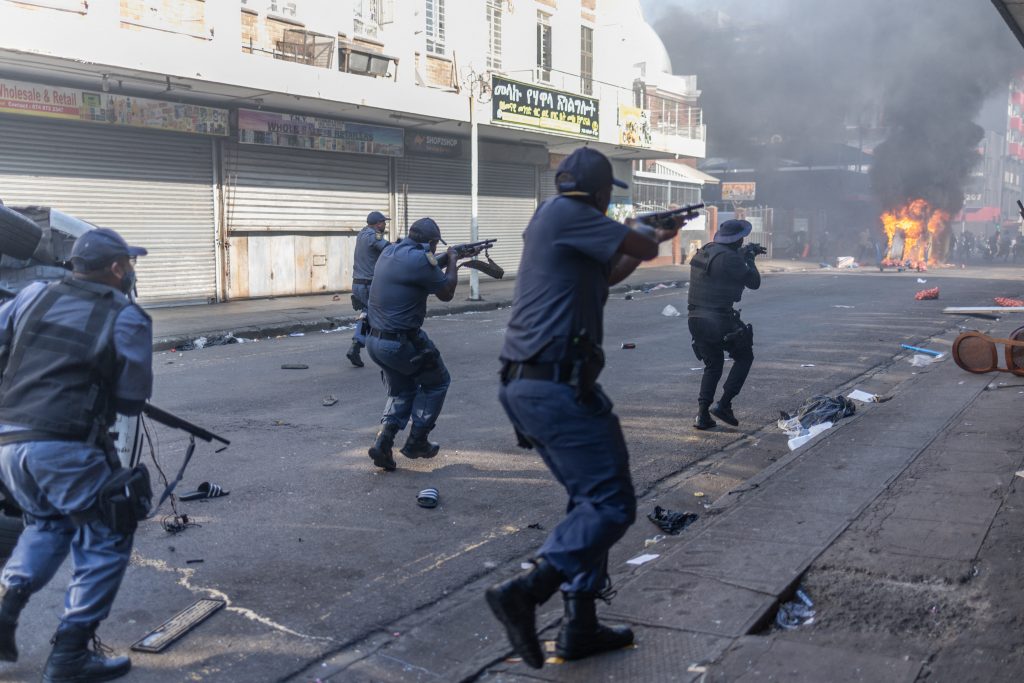
Police pursue those responsible
Acting national commissioner Lieutenant General Puleng Dimpane told reporters police were pursuing “those who are responsible for the chaos”.
“The right to raise concerns and to protest does not give anyone the right to commit crime,” she said.
Court rules refugee act unconstitutional
The violence followed a court ruling that declared certain provisions of the government’s refugee act unconstitutional. The court said these provisions prevented some individuals from accessing the asylum system on procedural grounds, including if they entered the country irregularly.
Hundreds of people flocked to government refugee centres in recent days after the ruling. Reports suggest some who arrived do not qualify for asylum claims based on persecution or other dangers in their home countries.
The government stressed on Wednesday that the judgement “does not grant refugee status or permanent residence automatically to anyone who enters South Africa”. Warning against disinformation, officials said they were “concerned about certain unintended consequences” of the ruling.
The government reiterated its commitment to measures announced in June to manage migration. These include boosting control of the borders, cracking down on human smuggling and accelerating deportations of people who do not qualify to remain.
Migration crisis ahead of elections
The continent’s wealthiest nation has long attracted migrants from elsewhere on the continent who seek employment. South Africa has experienced periodic outbreaks of xenophobic violence for nearly two decades, sometimes based on disputed claims that foreign nationals take scarce jobs and resources from locals.
Complaints about illegal immigration have grown ahead of local government elections on 4 November. Unemployment sits above 30%, another key issue.
Weeks of protests by populist, anti-immigrant groups demanding undocumented migrants leave by 30 June led tens of thousands to flee. Some governments repatriated their citizens, straining South Africa’s ties with other countries on the continent.
Police said at least four foreign nationals died in that violence, though some foreign governments put the toll higher. The largest numbers to leave came from Zimbabwe and Malawi, but thousands more departed from countries including Ghana, Kenya, Lesotho, Mozambique, Nigeria and Uganda.
ALSO READ: Asylum ruling does not grant automatic refugee status, says government


You must be logged in to post a comment.