The Inter-Ministerial Committee on Migration (IMC) has moved to quell widespread confusion around the Constitutional Court’s asylum ruling, stressing that it does not automatically grant refugee status or permanent residence to people entering South Africa.
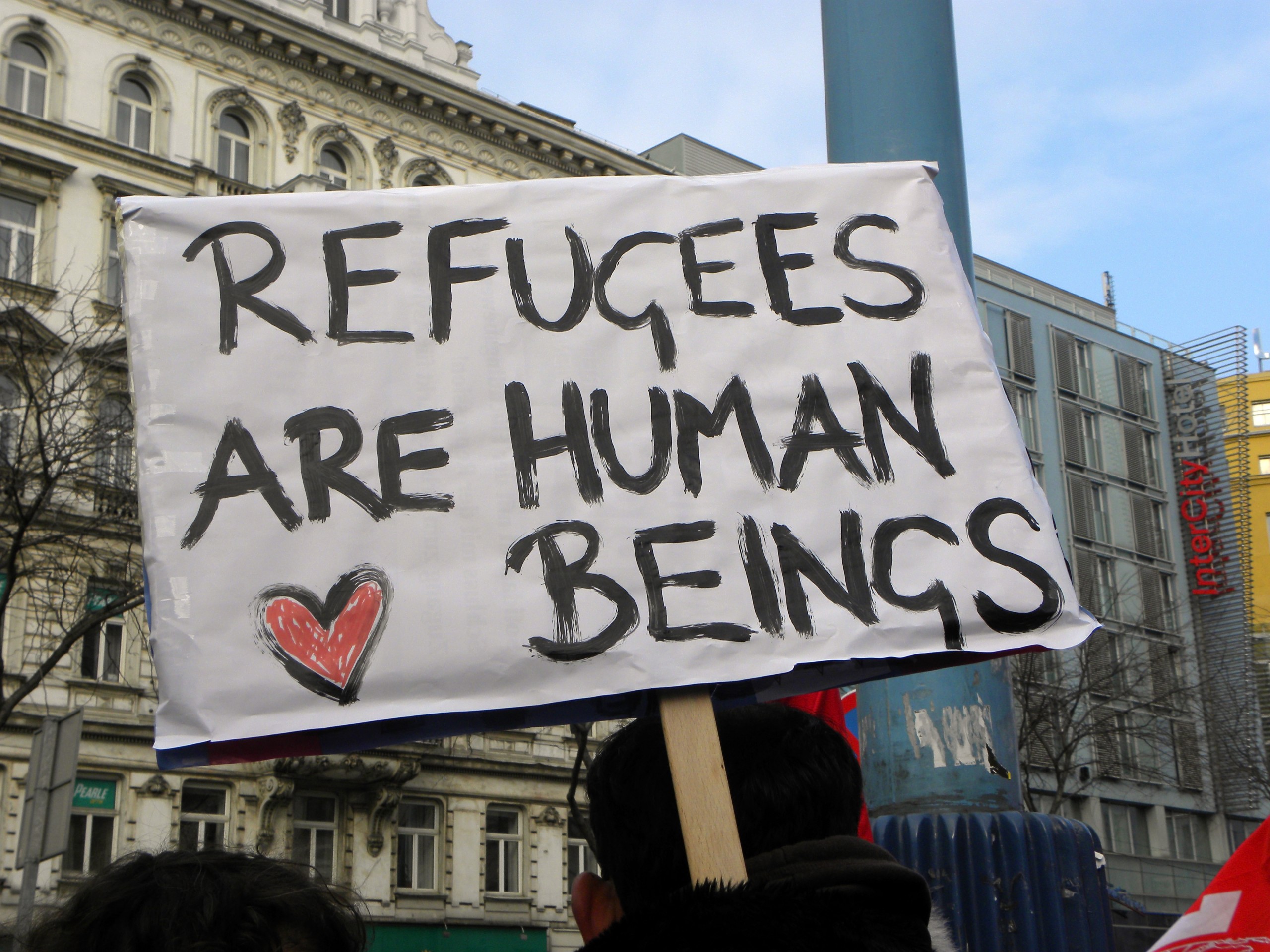
The clarification came on Thursday after protesters blocked access to Durban’s Refugee Reception Centre on Che Guevara Road for the third consecutive day, preventing hundreds of asylum seekers from entering the facility.
Members of the March and March movement shut down the centre on Tuesday, with protesters demanding that staff stop accepting and processing asylum applications for foreign nationals.
The implementation of the July court judgment led to an influx of people seeking access to Refugee Reception Offices nationwide.
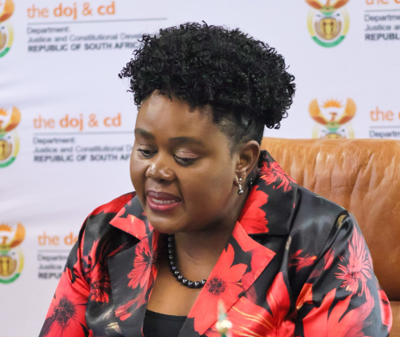
Addressing a media briefing in Pretoria, IMC chairperson and Justice and Constitutional Development Minister Mmamoloko Kubayi said the Constitutional Court judgment handed down in the matter of Scalabrini Centre of Cape Town and Another v Minister of Home Affairs and Others must not be interpreted as legalising unlawful migration.
“Importantly, the judgment does not grant refugee status or permanent residence automatically to anyone who enters South Africa, nor does it legalise unlawful migration,” Kubayi said.
What the court actually ruled
The court declared certain provisions of the Refugees Act unconstitutional because they prevented some people from accessing the asylum system solely on procedural grounds. These included people who had entered South Africa irregularly, did not possess an asylum transit visa or failed to report to a Refugee Reception Office within the prescribed period.
The court found that such procedural barriers could result in people being excluded from the asylum process before their claims were properly assessed.
“It simply requires that individuals claiming asylum be allowed access to the asylum determination process so that their claims can be properly assessed in terms of the law,” Kubayi said.
The IMC stressed that applicants must still undergo the formal Refugee Status Determination Process and meet the requirements of South African law.
“Applications that are fraudulent, abusive, unfounded or do not meet the requirements of the Refugees Act will still be rejected through the established legal processes,” she said.
Procedural access does not mean automatic status
The IMC said the Constitutional Court’s decision should be understood as a correction of a procedural barrier, rather than an expansion of the substantive requirements for obtaining refugee status.
This means that a person cannot be prevented from accessing the asylum process solely because of issues such as the absence of a transit visa or failure to meet a prescribed reporting deadline. However, once an application is accepted into the system, the applicant must still have their claim assessed.
“The ruling does not grant automatic refugee status or guarantee a right to remain in South Africa indefinitely. Every applicant must still subject themselves to the formal Refugee Status Determination Process, where their claims will be thoroughly investigated under the strict criteria set out in international and domestic law,” Kubayi explained.
The IMC said government also retains its authority to enforce immigration legislation. People who are found not to qualify for refugee protection or who abuse the asylum system can still face lawful deportation once the applicable legal processes have been completed.
Refugees do not get voting rights
The IMC also sought to correct claims circulating on social media that people granted refugee status would acquire the right to vote in South Africa.
“Those granted refugee status do not have the right to vote in terms of our laws in the country, contrary to what is being circulated in the country,” the IMC said.
The committee further rejected claims that the judgment means ordinary Home Affairs services for South Africans will be overwhelmed by asylum applications.
“It is not true that Home Affairs offices will not be able to service South Africans because they are flooded by refugee applicants. There are only five Refugees Centres in the country,” the IMC clarified.
Government concerned about consequences
While reaffirming its respect for the Constitutional Court, the IMC acknowledged that the implementation of the judgment had created significant operational challenges.
“We are, however, concerned about certain unintended consequences of this important judgment, and we would like to take this opportunity to bring South Africans into confidence about our current position on the matter and the proposed interventions to alleviate these unintended consequences,” the IMC said.
The committee said directives issued by Home Affairs following the judgment, together with operational difficulties in implementing the ruling, had contributed to the sudden increase in numbers at Refugee Reception Offices.
“We understand the concerns of citizens when they wake up to long queues outside Home Affairs offices and yes, we confirm that all refugee offices were overwhelmed by the numbers of those coming for applications,” Kubayi said.
The committee’s message is that access to the asylum system should not be confused with the granting of asylum. South Africa will continue to assess each claim individually, reject applications that do not meet the legal requirements and enforce immigration laws against those who have no lawful basis to remain in the country.
ALSO READ: Court strikes down asylum law as unconstitutional