


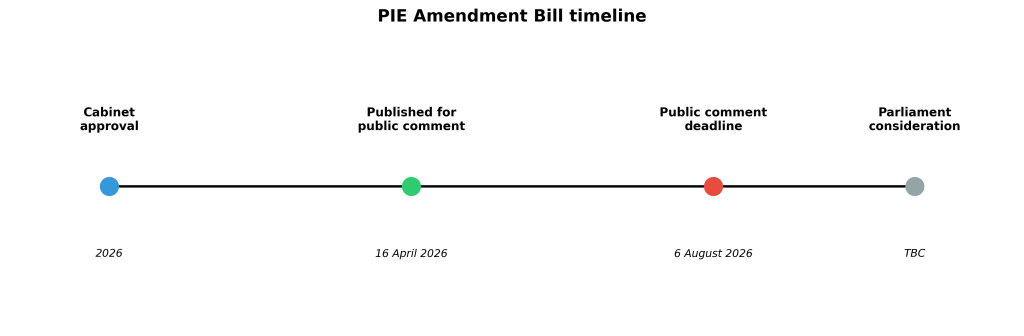
Landlords, tenants and municipalities could all be affected by proposed changes to South Africa’s eviction laws, with government inviting the public to comment on a new Bill before 6 August.
The Prevention of Illegal Eviction (PIE) Amendment Bill, published by Human Settlements Minister Thembi Simelane in April, proposes some of the biggest changes to eviction laws in years.
The existing Prevention of Illegal Eviction from and Unlawful Occupation of Land (PIE) Act protects people from being removed from their homes without a court order. Before granting an eviction, courts must decide whether it would be “just and equitable”, taking into account factors such as how long people have lived on the property, whether vulnerable people are involved and whether alternative accommodation is available.
The proposed amendments would keep these protections in place but introduce several important changes.
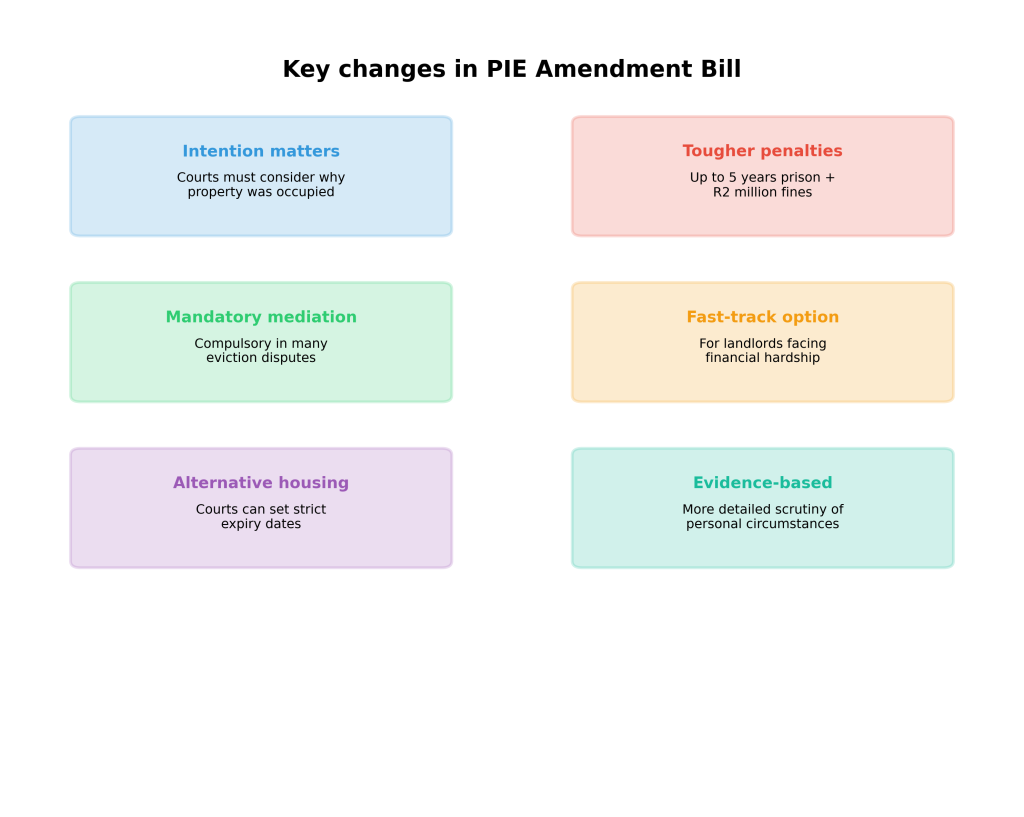
One of the biggest changes is that courts would have to consider why a property was occupied illegally. The intention behind the occupation would become a specific factor when deciding whether an eviction is fair.
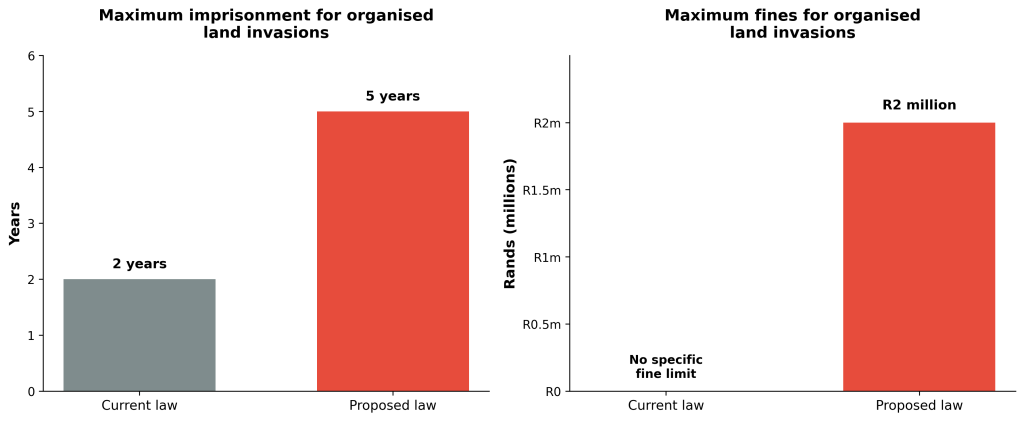
The Bill also proposes much tougher penalties for organised land invasions. Anyone found guilty of organising or encouraging illegal land occupations could face fines of up to R2 million, imprisonment of up to five years, or both. It also targets people who illegally “sell” land they do not own.
Another significant proposal is aimed at reducing lengthy court battles. Mediation would become compulsory in many eviction disputes, while municipalities would automatically be included in court proceedings where appropriate.
For landlords experiencing serious financial hardship, the Bill introduces the possibility of a faster eviction process, which could help property owners who are struggling financially while waiting for court cases to be finalised.
The proposed law also gives courts greater flexibility when dealing with alternative accommodation. In some cases, courts could grant an eviction without requiring the state or municipality to provide alternative housing. Where temporary accommodation is ordered, the court would have to set a clear end date instead of allowing the arrangement to continue indefinitely.
The Bill further requires courts to take a closer look at the personal circumstances of unlawful occupiers. Instead of considering vulnerability in general terms, judges would have to look at factors such as a person’s financial situation, health and previous living arrangements before making a decision.
Legal experts say the amendments do not remove existing protections for unlawful occupiers or automatically make evictions easier. Instead, they aim to give courts clearer guidelines and create greater certainty for everyone involved.
The proposed changes could have a significant impact on property owners, tenants, estate agents and municipalities across the country.
Members of the public have until 6 August to submit comments on the draft legislation before it is considered by Parliament.
ALSO READ: PIE Amendment Bill: squatting law back in the spotlight


You must be logged in to post a comment.