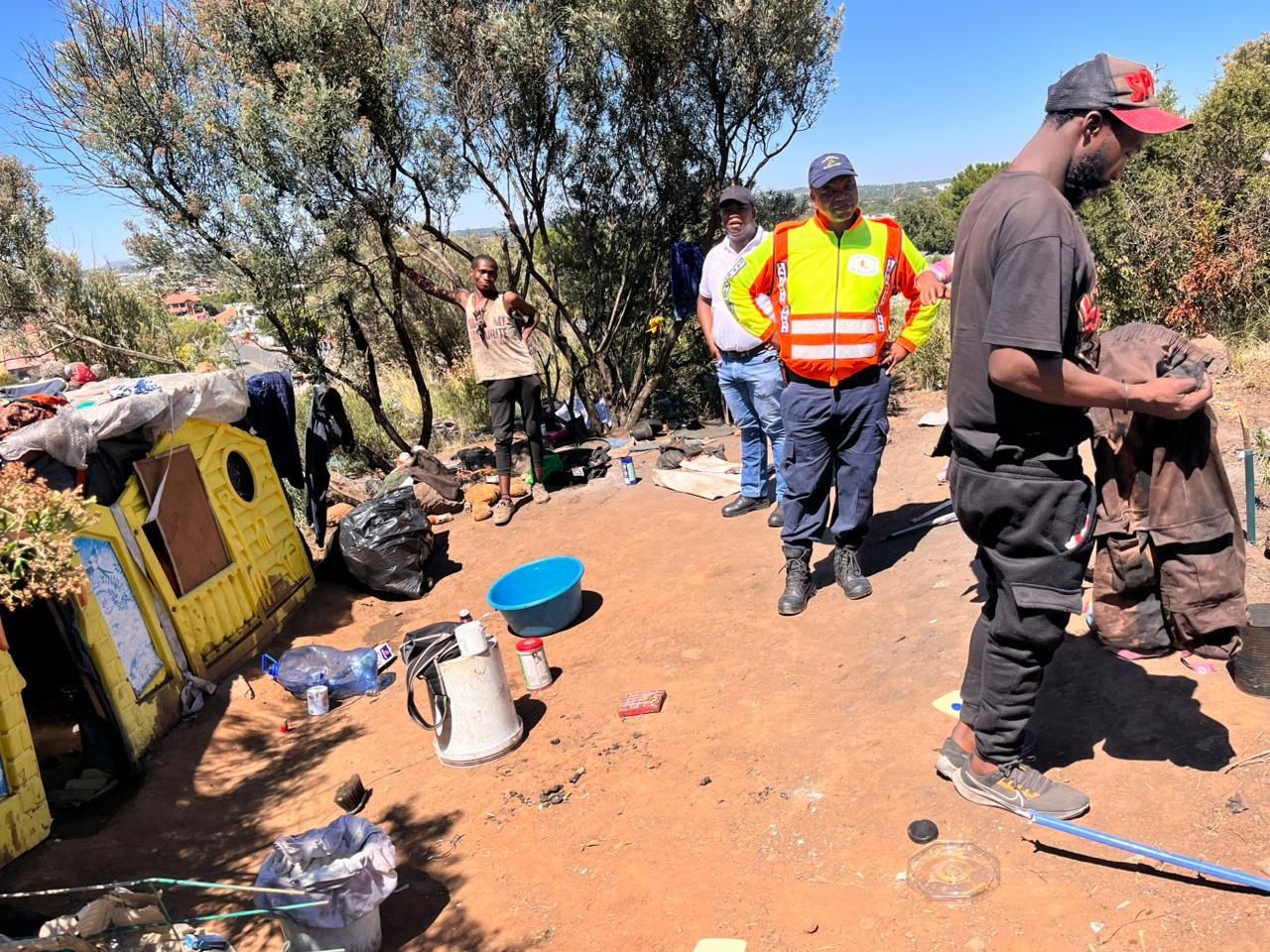
Illegal land occupations face renewed scrutiny as the halfway mark of the public comment period on the Prevention of Illegal Eviction from and Unlawful Occupation of Land (PIE) Amendment Bill approaches this weekend.
The National Department of Human Settlements is holding sessions in KwaZulu-Natal today (Wednesday 13 May) at Pietermaritzburg’s City Hall, with a second on Friday 15 May at the Chesterville Community Hall in Durban. The amendments follow requests from municipalities buckling under organised land invasions.
Introduced in 1998, the PIE Act replaced the Prevention of Illegal Squatting Act of 1951, a law that gave sweeping powers to magistrates and local authorities to remove, transfer and demolish structures with no recourse for occupiers.
PIE shifted the balance of power. No eviction could proceed without a court order. Courts had to consider what was just and equitable, with special weight given to the elderly, children, persons with disabilities and female-headed households. Occupiers and the municipality received at least 14 days’ written notice before any hearing, with mediation introduced as a dispute resolution tool. Critically, PIE introduced criminal penalties of up to two years’ imprisonment for those who solicited payment to arrange unlawful occupation.
The protections, however, did not always translate into practice.
PIE drew criticism for inconsistent application and vague definitions around what constitutes a home and alternative accommodation, producing a perception of unevenness of judicial interpretations. Insufficient municipal funding meant court-ordered obligations often went unmet.
The amendments seek to address this. Those who incite or organise illegal occupations — even without financial gain — face a fine of up to R2 million and/or two years’ imprisonment, with courts empowered to order asset forfeiture. The definition of person in charge has been expanded, allowing municipalities to seek urgent interdicts without owning the invaded land. Courts will set defined periods for alternative accommodation, and mandatory mediation is introduced where the municipality owns the land.
The bill is not without safeguards. Courts must still weigh the needs of vulnerable groups and municipalities and organs of state are required to participate in proceedings where alternative accommodation is needed.
The comment period closes in mid-June. Further sessions are set for Johannesburg on Thursday 21 May and Ekurhuleni on Friday 22 May, following one held Wednesday 6 May at the KT Motubatse Hall in Soshanguve Extension 1. The department aims to return to cabinet by July 2026, with tabling before parliament expected in late July or early August.
You can submit comments by email to PIE.AmendmentBill@dhs.gov.za.