President Cyril Ramaphosa has received a confidential panel report investigating Iran’s disputed participation in a naval exercise held in South African waters in January, nine months after ordering a probe into whether his instructions were ignored.
The panel, led by retired Justice Bernard Ngoepe and assisted by Justice Mabel Leeuw and Rear Admiral (Junior Grade) PT Duze, handed its findings to the president today. But the report and all proceedings will remain classified due to national security considerations.
Ramaphosa instituted the probe in February following what the presidency described as “a failure to heed the president’s instruction that the navy of the Islamic Republic of Iran must no longer participate” in the Chinese-led Exercise MOSI III Will of Peace 2026.
Panel given extended deadline
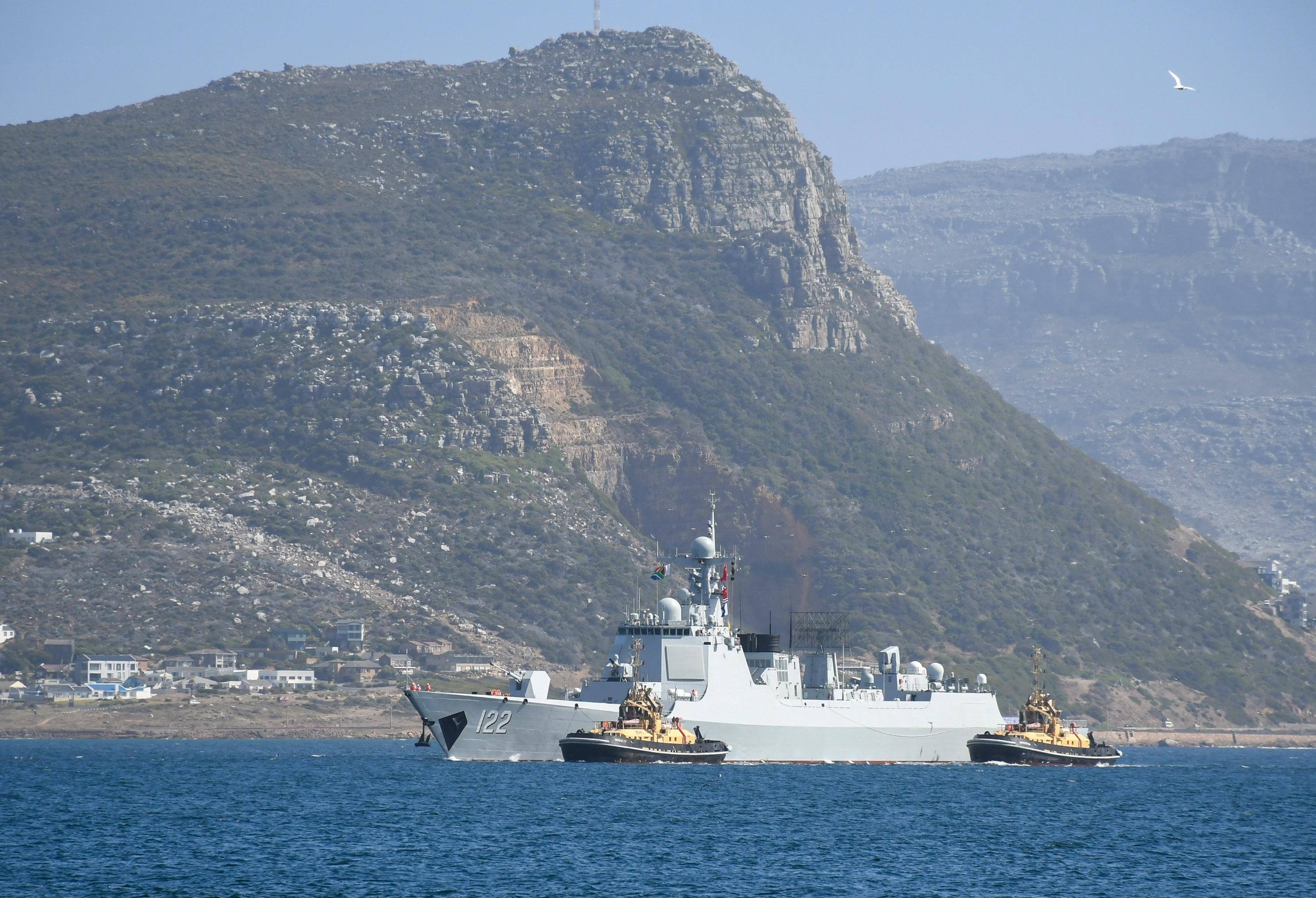
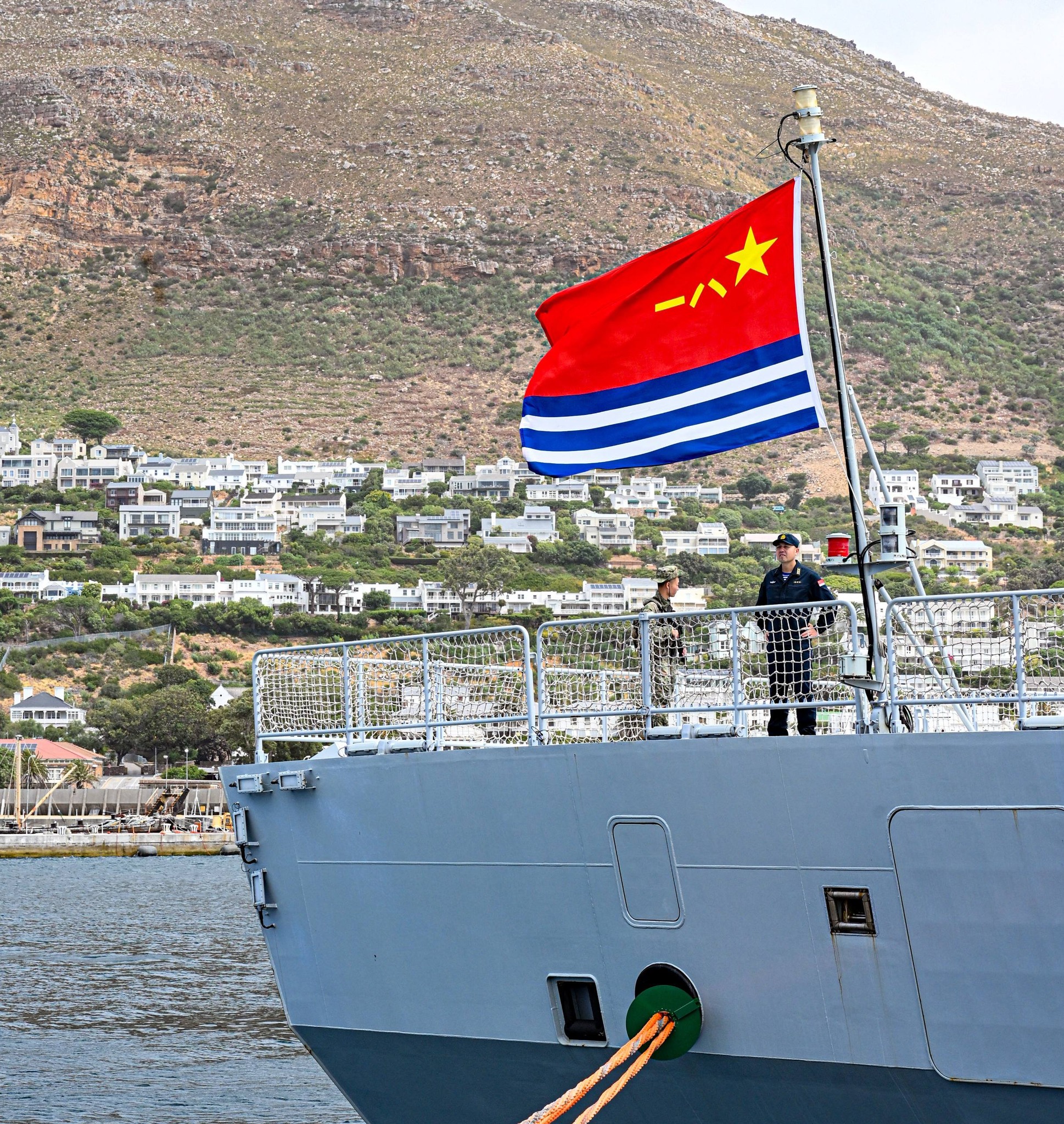
The controversy erupted in January when three Iranian naval vessels arrived at Simons Town alongside Chinese, Russian and South African ships for the multinational drill, which ran from 9 to 16 January in waters around False Bay.
Reports emerged on nine January that Ramaphosa had asked that Iran be withdrawn from the exercise or be limited to observer status, amid concerns that active Iranian participation would further damage South Africa’s already strained relationship with Washington.
Confusion over Iran’s role
Whether that instruction was properly communicated and followed remains unresolved. According to reports, Iran had agreed to withdraw following diplomatic discussions. However, Iranian ships remained visible in False Bay, and reports differed over whether the vessels merely observed or participated operationally.
The United States Embassy in South Africa publicly condemned the reported Iranian participation as “unconscionable”, citing Iran’s domestic crackdown and expressing concern that Ramaphosa’s instruction may have been disregarded.
US condemnation and inquiry launched
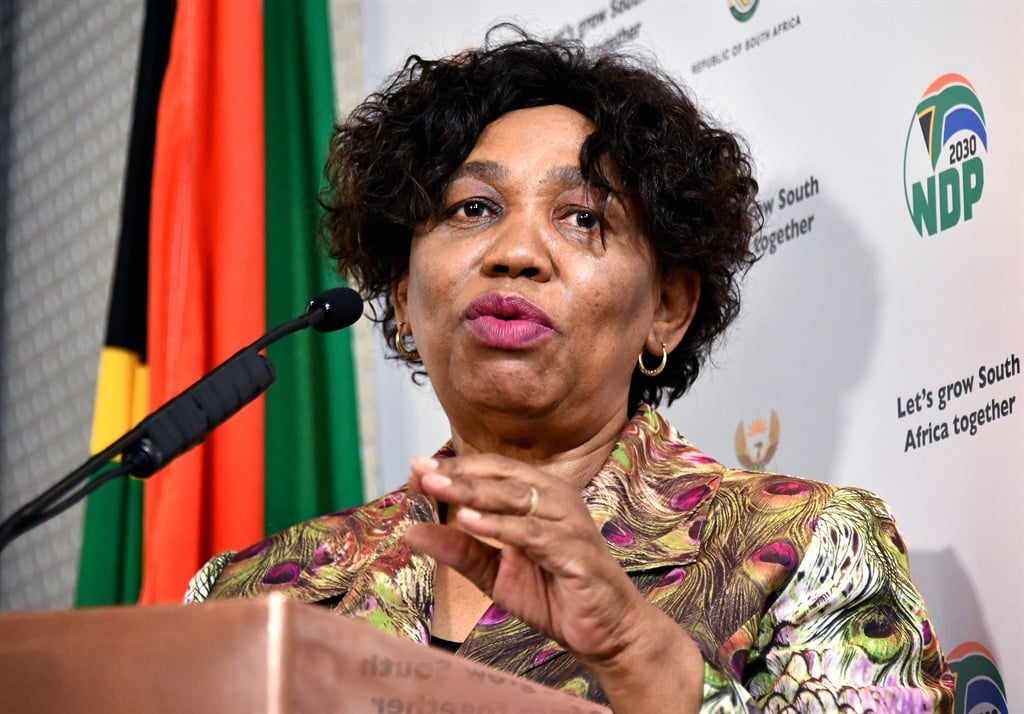
Defence Minister Angie Motshekga announced a board of inquiry on 16 January, saying the president’s instruction had been “clearly communicated to all parties concerned, agreed upon and to be implemented and adhered to as such”. The board was tasked with determining whether the instruction had been misrepresented or ignored.
ALSO READ: US condemns Iran’s participation in South African naval exercises
Ramaphosa transferred the matter to an independent presidential panel which was given one month to complete its work, but presented a compelling case for an extension.
The president thanked Justice Ngoepe and all panel members for their dedication and said he would carefully consider the report’s recommendations.
The exercise was officially presented as a maritime safety and BRICS+ cooperation event focused on joint shipping protection, communications manoeuvres, hijacked vessel rescue operations and helicopter-borne medical evacuations.
Key questions remain unanswered
What remains unclear is whether Ramaphosa ordered complete Iranian withdrawal or only observer status, whether the instruction was properly communicated through defence channels, and whether Iranian ships actively participated in drills or merely observed.
The panel’s confidential findings mean no public conclusion about responsibility or potential disciplinary consequences has been released.
ALSO READ: Ramaphosa’s Iran naval exercise investigation missing in action six months later