

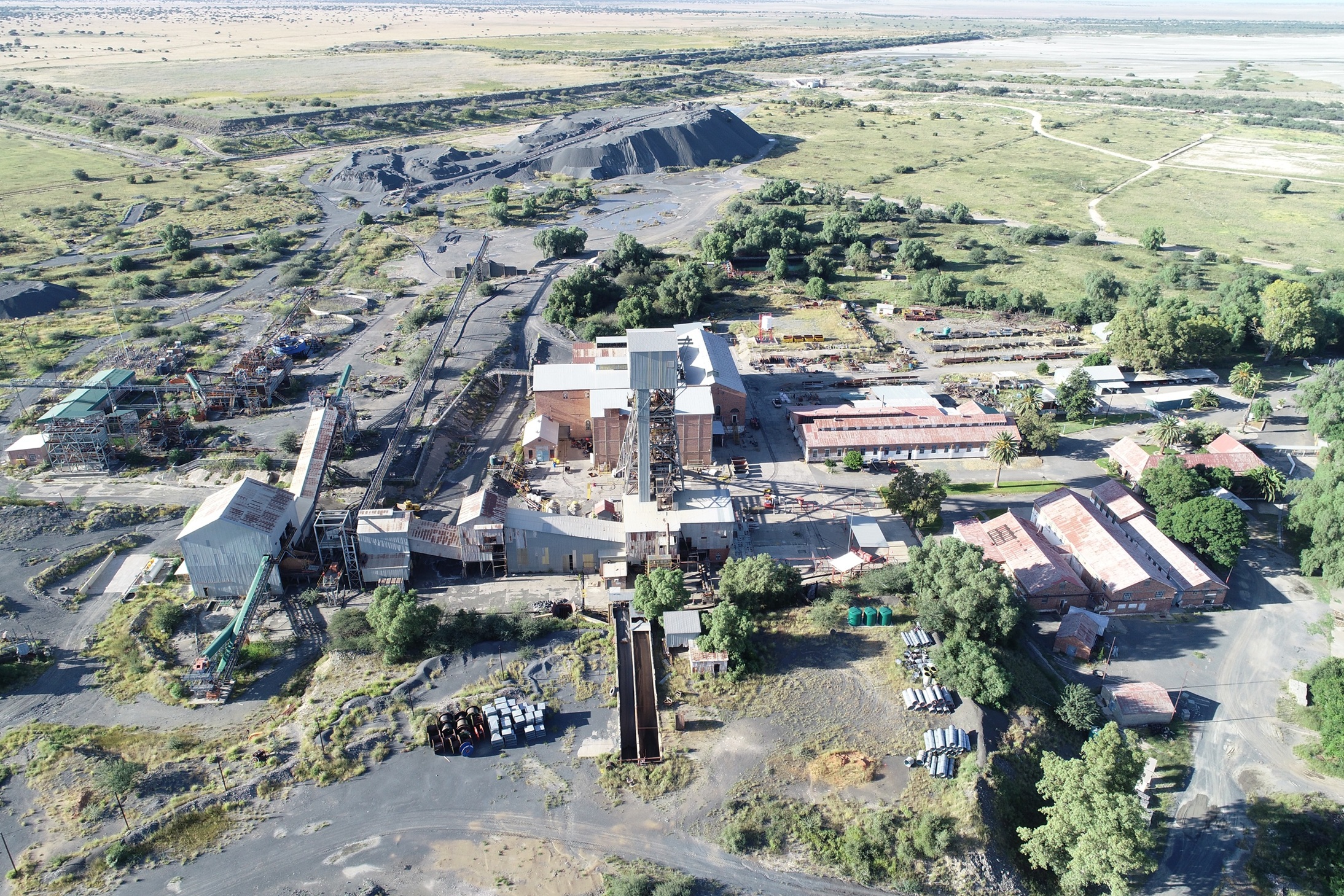
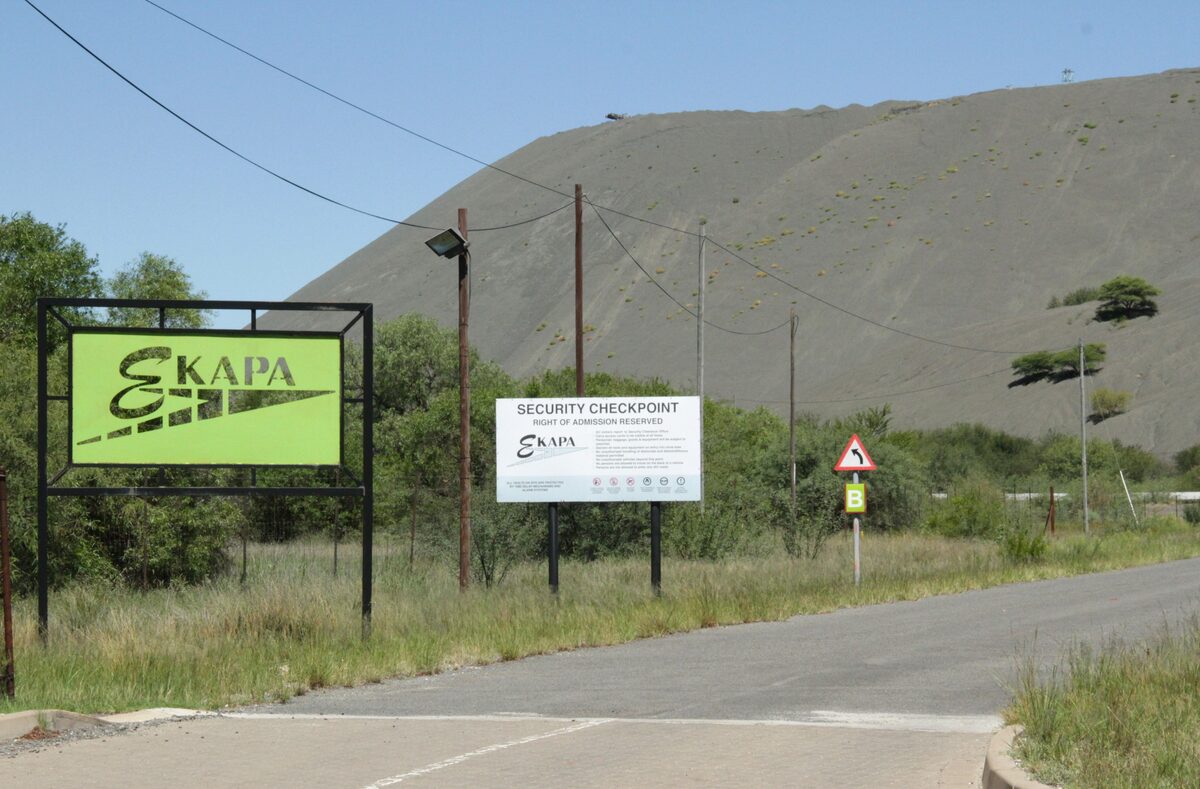
KIMBERLEY – There is a real danger that a scheduled electricity disconnection could lead to the flooding of the Ekapa Mine leading to an environmental disaster and permanent loss of infrastructure and jobs.
The Joint Provisional Liquidators of Ekapa Resources have warned that the planned disconnection could trigger the flooding of the underground mine within 48 hours with potential severe consequences.
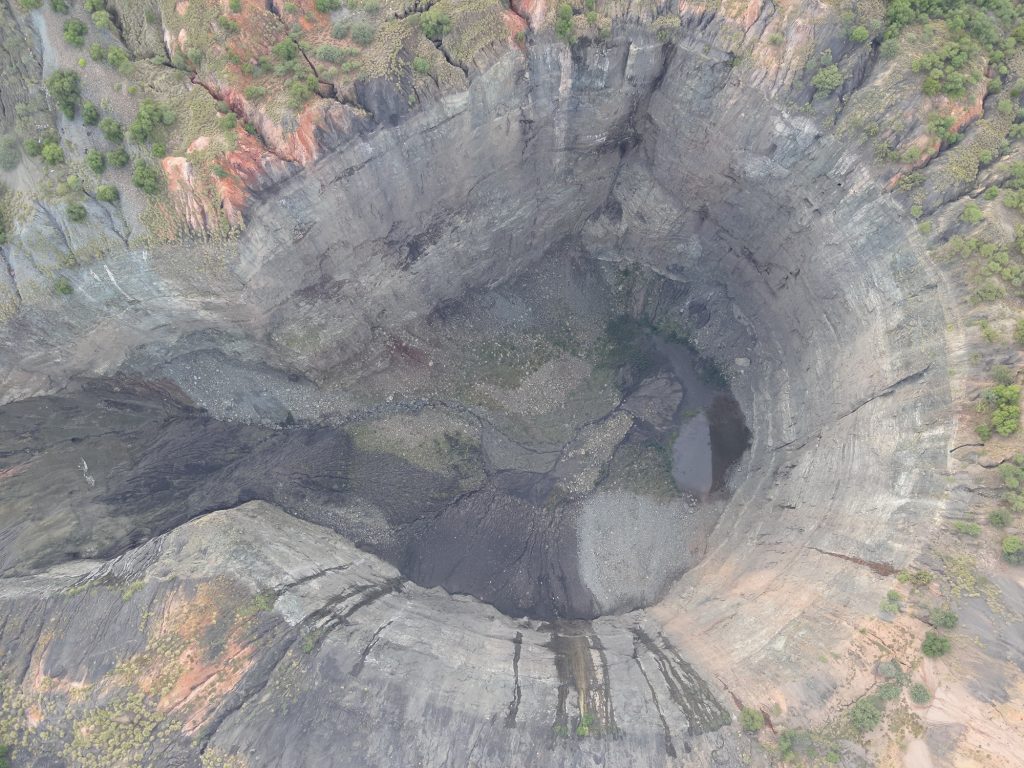
They say Eskom has scheduled a power cut for 4 August that was not yet implemented. The power cut is due to outstanding electricity payments in a financially distressed situation. The loss of power would stop the boreholes and shaft pumps that keep the underground workings dry.
The complex was one of Kimberley’s largest employers before more than 1 000 jobs were lost following provisional liquidation after the devastating mud rush and a tragic loss of lives.
Following an application for business rescue, Ekapa Minerals, which is responsible for surface operations and employees, was placed under business rescue. Ekapa Resources, which holds the underground mining rights and assets, remains in provisional liquidation.
While legally separate, the entities are operationally interdependent: the Eskom account is held by Ekapa Minerals, while the power supply is essential to pumps protecting the Ekapa Resources underground workings.
The crisis followed a mud rush at the Joint Shaft serving the Du Toitspan and Bultfontein mines on 17 February. Five miners were trapped underground. Production stopped immediately, while the rescue and recovery operation cost tens of millions of rand.
Unable to meet their obligations, the companies were placed in provisional liquidation on 3 March 2026.
The National Union of Metalworkers of South Africa (NUMSA), representing 369 employees, applied for business rescue. The union argued that the mine retained viable infrastructure and that R400 million in recoverable receivables from related entities could help restart operations and preserve about 500 jobs.
Liquidators warn that without urgent intervention, the city faces an “uncontrolled environmental disaster” and the permanent loss of a major employer.
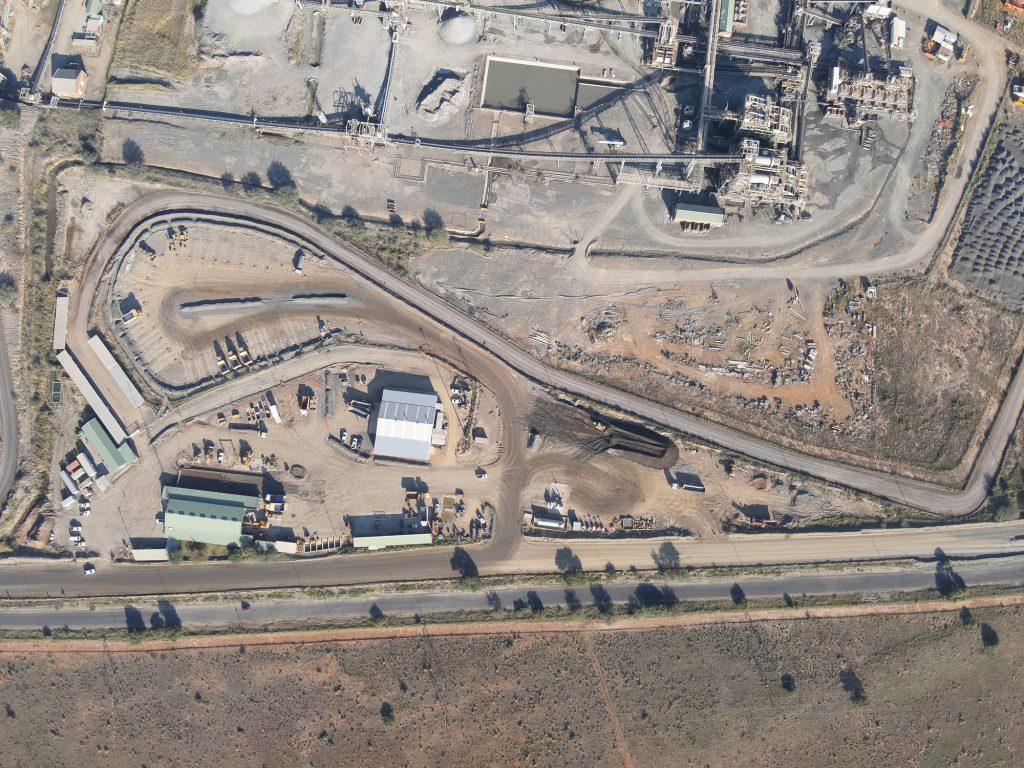
According to the Joint Provisional Liquidators, the old surface dumps yield only four to five carats per 100 tonnes, while the processing plant requires about R30 million a month in electricity. They say these economics are untenable without the higher-grade underground diamonds.
The impasse unfolds against a prolonged downturn in the natural-diamond market, driven by weaker demand, lower prices and growing competition from laboratory-grown diamonds. Producers across Southern Africa have responded by reducing output, restructuring operations or placing mines into care and maintenance.
Insolvency matters are recognised to be extremely urgent. Arguments were heard on 18 June in the high court in Kimberley. The time elapsed during the legal proceedings exhausted the remaining cash reserves required for care and maintenance, at a rate of approximately R400 000 per day.
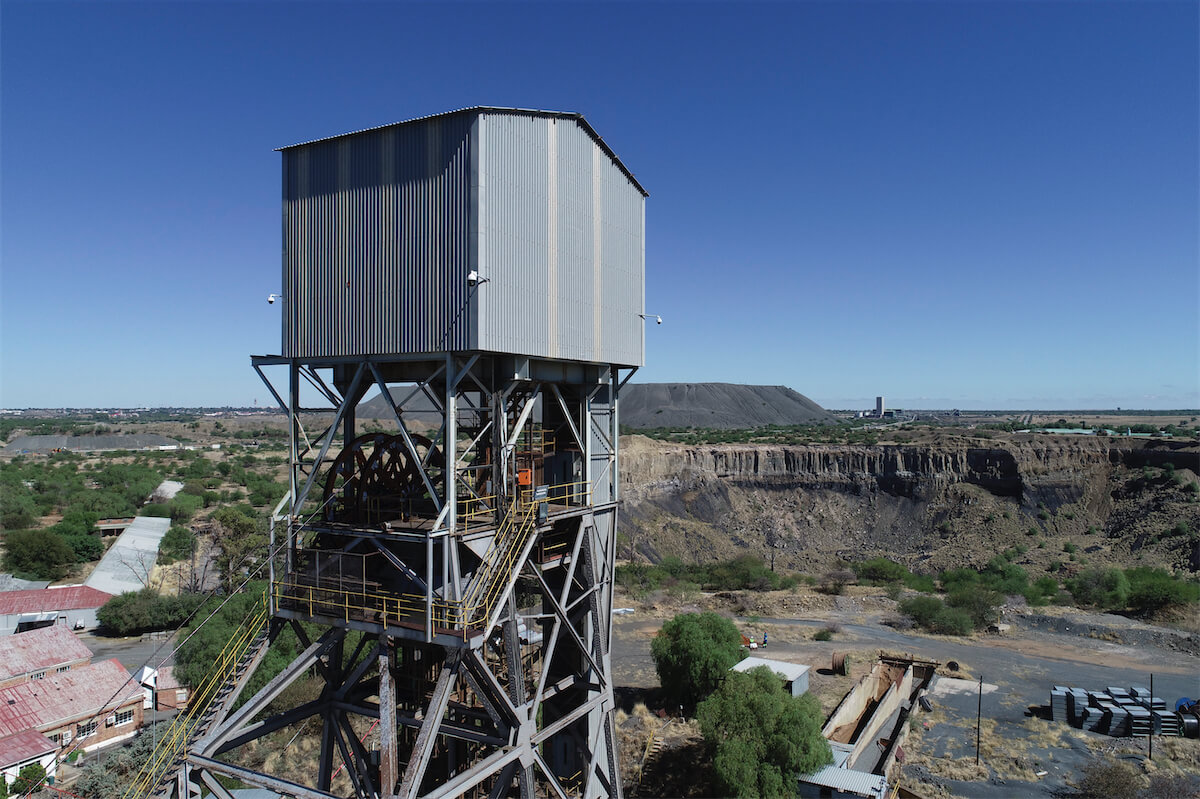
If electricity is disconnected, 114 boreholes and critical shaft pumps will stop operating. The Joint Provisional Liquidators warn that the flooded underground workings would put infrastructure and equipment beyond recovery.
The long-term risk is particularly acute to neighbouring agricultural activities in an area where groundwater salinity already requires active management.
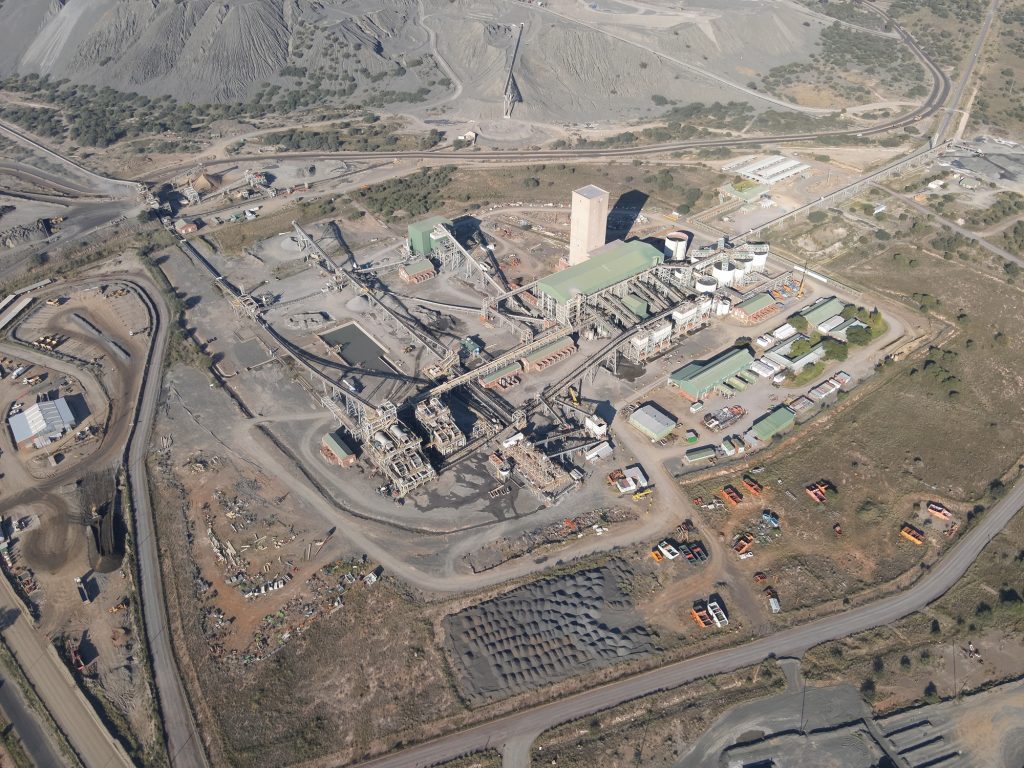
The Joint Provisional Liquidators estimate that the mine’s plant and machinery are worth about R200 million, while replacement of some infrastructure could cost as much as R2 billion. They warn that flooding would submerge assets and that reduced security, caused by non-payment, could expose remaining infrastructure to theft and illegal mining.
“We do not want to be the executioners of history,” the Joint Provisional Liquidators say in a news release. “Kimberley faces the permanent loss of a major employer, critical mining infrastructure and a manageable closure process. Every hour without a funded solution increases the environmental and economic risk.”
They say a viable resolution will depend on constructive alignment between relevant government departments, Eskom, trade unions, Business Rescue Practitioners, and Provisional Liquidators to establish a sustainable care-and-maintenance strategy, protect critical infrastructure, secure uninterrupted power and fund an orderly preservation plan, and safeguard the economic and environmental future of the Kimberley community.



You must be logged in to post a comment.