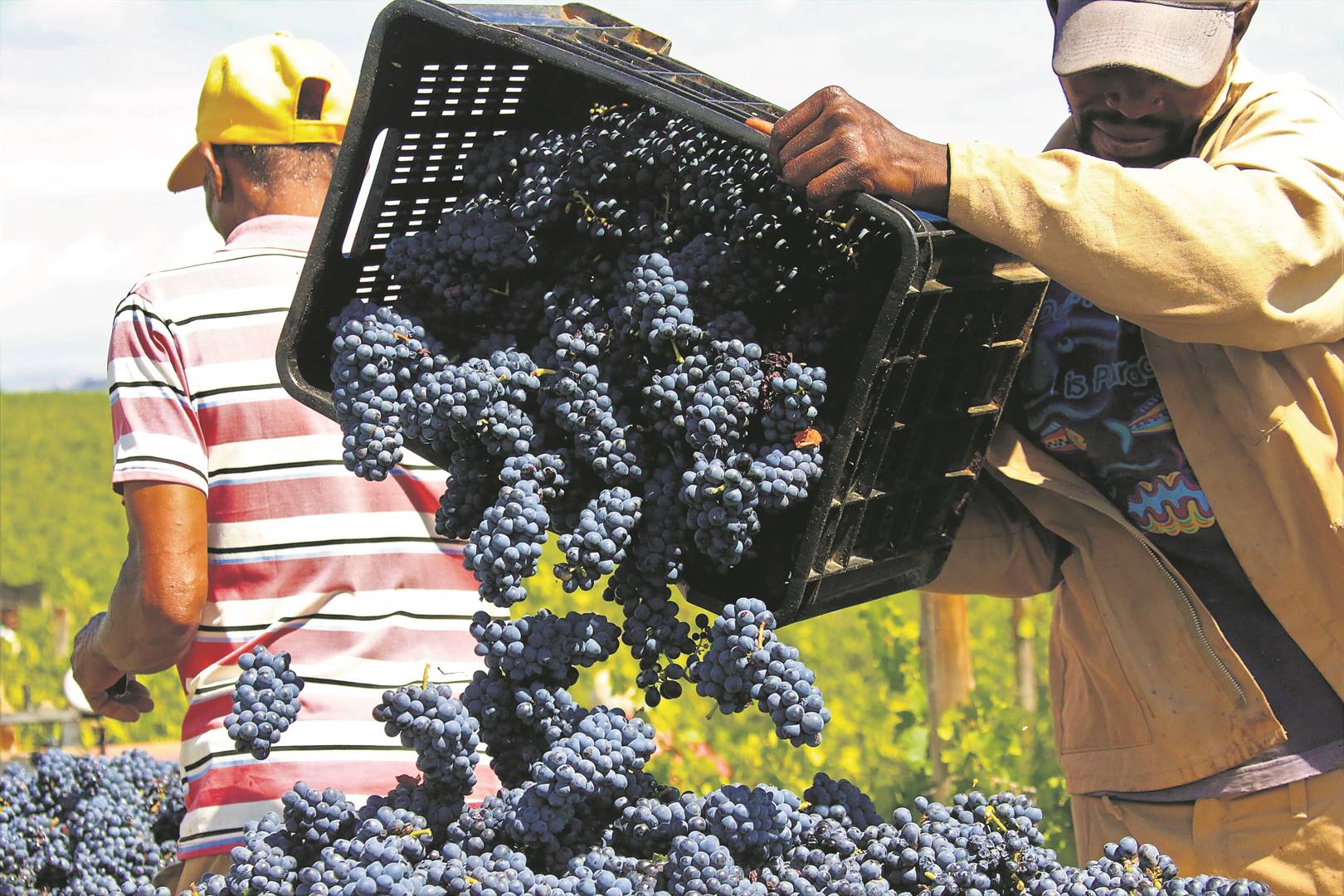
Farm workers in Portugal’s Alentejo wine region are harvesting grapes under starlight, a shift driven by increasingly punishing daytime temperatures that climate change is making worse across southern Europe.
At Herdade das Servas, a 350-hectare estate about 150 kilometres east of Lisbon, around 20 workers equipped with headlamps and pruning shears now pick grapes after dark. The practice was fully adopted following a successful 2024 trial, making nocturnal harvests a permanent fixture of the estate’s routine.
Temperatures at the estate still reached 28°C at midnight this summer – but that is far below daytime peaks of 40°C that have crept into September.
Climate pressure mounting
The EU’s climate monitor reported on Thursday that western Europe experienced its warmest summer on record this year, while August was the hottest single month ever measured globally. In Alentejo, the grape harvest began in early August, roughly two weeks earlier than usual, mirroring similar shifts across Spain, Italy, and Greece.
“It has become a necessity to spare the workers from temperatures of more than 40 degrees.”
– Renato Neves, director of production, Herdade das Servas
Benefits beyond the vineyard
The night harvest also improves winemaking. Cooler grapes arrive at the cellar fresher, delaying fermentation and allowing better decanting and aroma extraction, Neves explained. The estate, which produced approximately 277 000 litres of red, white and rosé wine in 2025, also benefits operationally: the cellar runs at full capacity during the day when the property’s solar panels are most productive.
Additionally, the estate has stopped removing weeds at the base of the vines to help retain soil moisture in increasingly dry conditions.
A practice with limits
Oenologist Rui Reguinga called nighttime harvesting “a response to climate change” and predicted it is “here to stay” in Mediterranean climates, calling it “another step in the transition towards a more sustainable viticulture.”
However, fellow oenologist Tiago Macena, who specialises in native Portuguese grape varieties, cautioned that the approach requires specific organisation and a willing workforce. For now, he said, the practice is largely confined to the large estates of Portugal’s south and has yet to be adopted by the smaller producers that dominate the country’s north.
Maria Jeronima Mendes, 70, the oldest member of the harvest team – who has worked in the fields since she was 12 – offered a simpler verdict: “Working at night isn’t more tiring. It’s just a matter of habit.”