

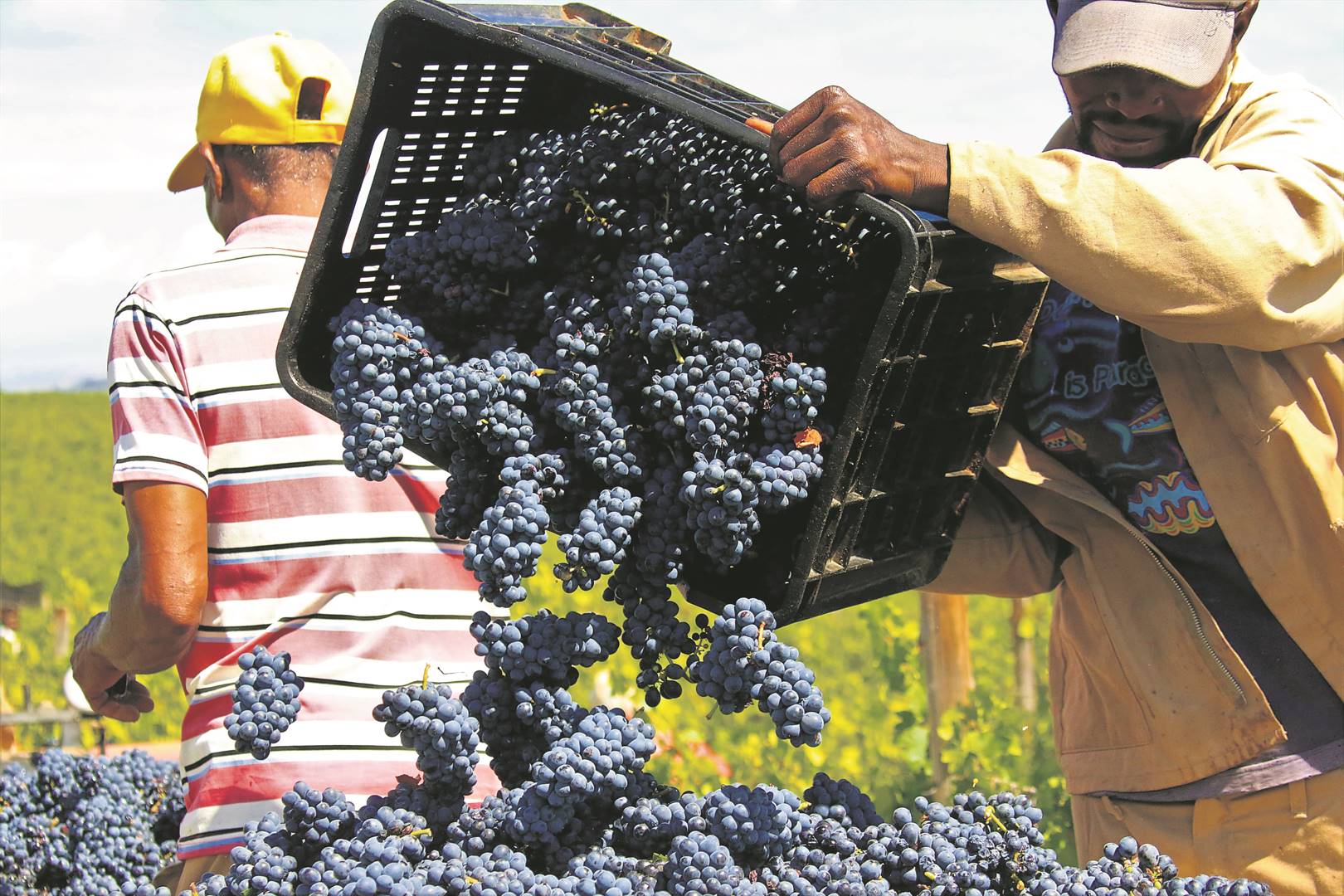
It is too early to determine the impact that warmer temperatures and drier conditions brought on by El Niño will have on the 2027 wine grape harvest.
This is the overall sentiment of wine producers, viticulturists and leaders in the wine industry, who are mostly confident that yields of the upcoming season will be offset by the industry’s climate mitigation plans.
“We need to be cautious about predicting specific impacts at this stage,” warns Gerard Martin, research, development and innovation executive at South Africa Wine.
“The South African Weather Service has indicated the potential for El Niño conditions to develop, but has also stressed that it is too early to determine the implications for South Africa. The wine industry is, therefore, monitoring seasonal forecasts closely rather than assuming a particular outcome.”
ALSO READ: El Niño warning: Western Cape farmers urged to prepare now
Changing patterns
El Niño is a climate phenomenon driven by the warming of sea surface temperatures in the central and eastern tropical Pacific Ocean. It typically occurs every two to seven years and disrupts global weather patterns, often bringing drier, hotter conditions to Southern Africa and higher rainfall to the Americas.
Its effects vary in intensity and duration, but strong events can have significant agricultural, economic and environmental consequences across multiple regions.
“Our advantage today is that producers have access to increasingly sophisticated climate information and decision-support tools that allow them to respond as conditions develop,” Martin points out.
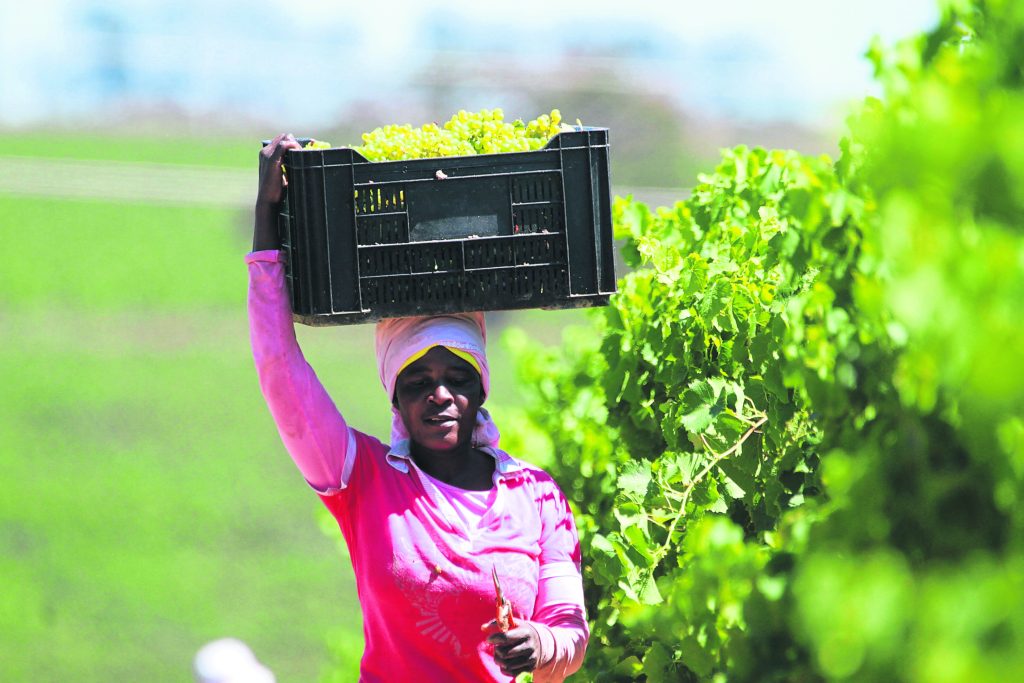
The wine grape harvest typically starts with early cultivars in the second week of January and can continue into April in later-ripening regions and varieties, explains Wanda Augustyn, head of brand and communications at South Africa Wine.
ALSO READ: El Niño could cause 451 000 extra heat deaths, research shows
Harvest time
“It is still too early to say whether the 2027 harvesting will start earlier or later than normal. Timing will depend on the conditions during spring, fruit set and the summer ripening period, Augustyn said.
“This year, warmer and drier spring conditions advanced budding by about 10 days, demonstrating how quickly seasonal conditions can influence the harvest calender.”
Johan Jordaan, cellar master at Spier Wines, says the farm’s harvest of chardonnay grapes for cap classique typically starts between 15 and 20 January.
“At this stage, we anticipate that the 2027 season could begin up to 10 days earlier than usual. However, a cool spring, even under dry conditions, could still delay the start,” Jordaan explains.
At Blaauwklippen Wine Estate, harvest time generally starts in the second week of January to the first week of April, says Jaco van der Westhuizen, viticulturist at the Stellenbosch farm.
“Bud burst this year was about seven to 10 days earlier than 2025, about 14 days earlier than 2024, but about the same date as in 2023,” he explains the varying times.
Despite lower rainfall this winter, Jordaan’s obeservations of Spier’s vineyards indicates normal and saturated soil moisture content.
“A drier, warmer spring should reduce disease pressure, but limit moisture in the soil, and stronger winds could restrict flowering,” he relates.
Berries pack punch
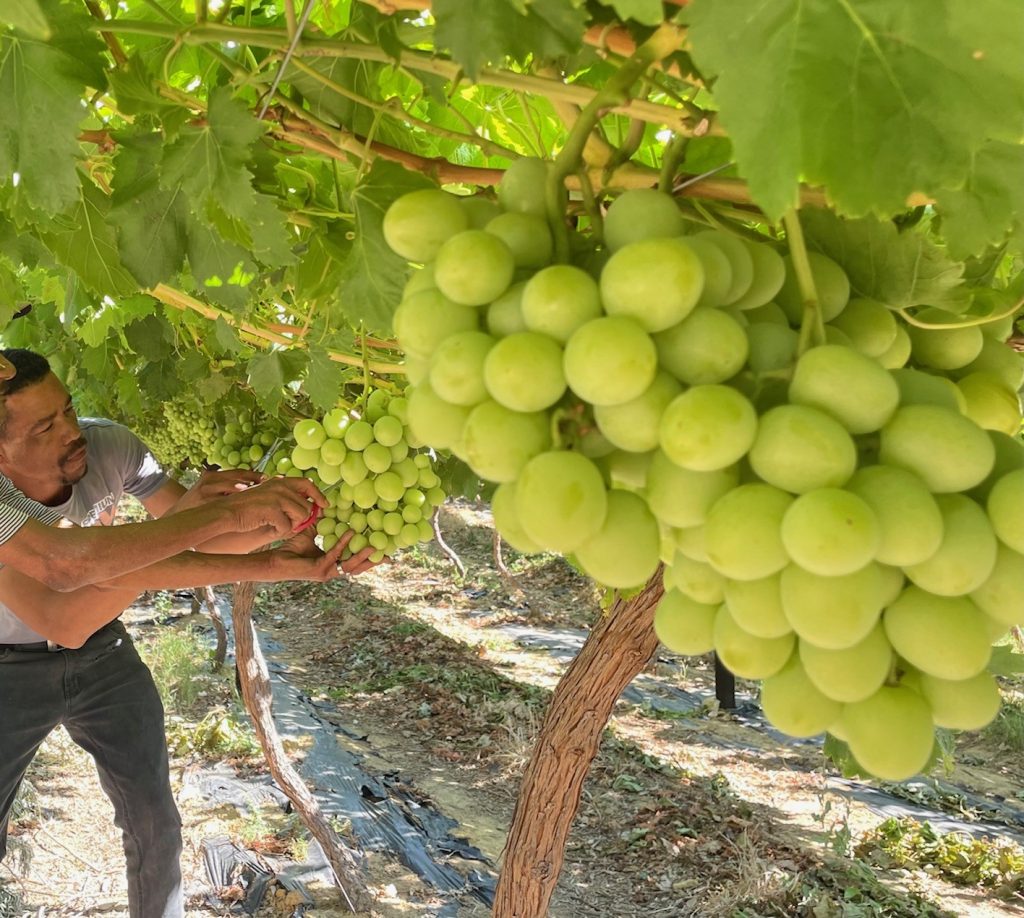
“At this stage, vineyard observations suggest a normal crop in terms of available bunches. Drier conditions and stronger wind could affect fruit set. Berry size is unlikely to be a major concern in irrigated vineyards, but it may be in the dryland blocks. Smaller berries can contribute to higher fruit concentration and quality, although they typically result in lower yields.”
Van der Westhuizen predicts Blaauwklippen’s berry size will remain the same. “The weather patterns do have an influence on wine grapes, but not as severe as in summer rainfall areas, he explains. “There will be an influence [on berry size], but not very severe. Vines are desert plants, so they are very adapted to varying weather patterns.”
Dr Etienne Terblanche, consultation services manager at Vinpro, says it is too early to draw conclusions about berry sizes or the 2027 crop. “Smaller berries were a feature of parts of the 2026 season, but increased fertility helped offset this, and the national harvest ultimately increased,” he points out.
“Importantly, smaller berries can also contribute to concentration, and the 2026 vintage showed excellent quality potential.”
Resilience amid dryness
Terblanche points out that adaptability is the biggest lessons producers learnt in the 2026 season, as they were forced to move from dry conditions to a period of rainfall and disease pressure in February, followed by heat spikes and compressed harvest windows in March. “Despite this, the industry delivered excellent quality,” he relates.
“Precision in irrigation, canopy management, disease control, harvesting timing and cellar planning made the difference. Those lessons strengthen our preparedness for 2027, whatever the season brings.”
Terblanche adds that this adaptability starts long before harvest season: “Vineyard site selection, effective soil preparation, the establishment of strong root systems and appropriate rootstock and cultivar choices are all part of building vineyards that are better able to cope with warm, dry and variable conditions.”
Planned ahead
The industry is also prepared for a water-scarce period, with water security a long-term priority of producers regardless of weather patterns. “Producers increasingly use more precise irrigation scheduling, soil and plant monitoring, climate data and region-specific decision-making to use available water as efficiently as possible,” Martin says.
“South Africa Wine continues to invest in water research, climate adaptation and pactical decision support that help producers make better informed decisions.”
At Blaauwklippen, Van der Westhuizen says, installation of moisture measuring probes in vineyards aids in monitoring irrigation. “This ensures that we apply the correct volumes of water at optimal timing for the vines,” he explains. “We also adjust the number of bunches per vine to make sure that optimal ripeness can be easily achieved.”
Spier’s focus and drive on regenerative farming has led to improved soil moisture retention through carbon and humus levels, Jordaan relates. “Cover crops help water infiltrate the soil, while humus improves the soil’s ability to retain that moisture for vine use,” he explains.
“We mowicover crops and apply mulch along the vine row to keep soils cooler and reduce water loss. We also use canopy management to reduce the leaf area and transpiraton. While this may delay ripening slightly, it may help to offset the effects of an earlier harvest.”
Long-term strategies
Overall, the wine industry looks at climate resilience as a long-term matter and not specific to a particular season, using past learnings to reap the fruits. “Climate is a complex subject,” Jordaan says.
“We have the benefit of experiencing similar conditions between 2016 and 2019, when we learnt a lot by closely monitoring our vineyards and local microclimates to be able to mitigate some of the broader weather patterns.
“We continuously test and refine different approaches that help us to adapt, adjust and build resilience.”
ALSO READ: Western Cape dry winter raises water security concerns despite healthy dam levels




You must be logged in to post a comment.