

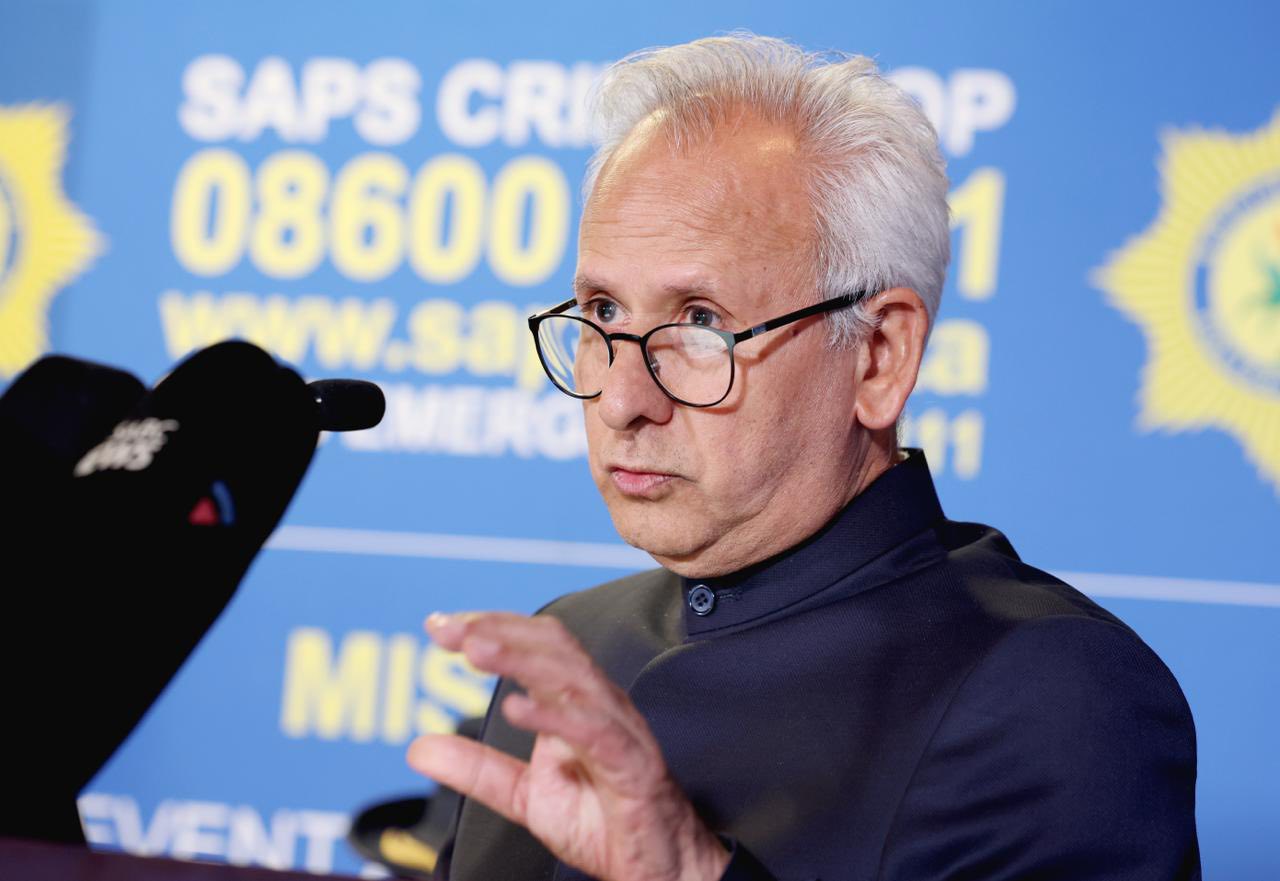
Acting Minister of Police Firoz Cachalia has announced that the National Reset Agenda for Policing has moved from proposal to active implementation following the second Police MINMEC Meeting of 2026 held on 25 July.
All provincial Members of Executive Councils and Premiers responsible for community safety have unanimously endorsed the agenda, marking what Cachalia described as one of the strongest demonstrations of cooperative governance in the policing environment.
The reset agenda seeks to restore professionalism, integrity, accountability and operational excellence within the South African Police Service. It aims to reposition SAPS as a modern, intelligence-led, community-centred and technology-enabled service.
MINMEC adopted several strategic resolutions that will become national implementation priorities. The meeting resolved that the agenda will be implemented through integrated partnerships between national, provincial and local government, recognising that no single sphere can address crime challenges alone.
The meeting reaffirmed that sustainable safety cannot be achieved through law enforcement alone, with communities needing to become active partners in policing and crime prevention. Government will strengthen Community Policing Forums and deepen partnerships with civil society, business, traditional leadership and faith-based organisations.
MINMEC endorsed the National Organised Crime Strategy, led by KwaZulu-Natal Provincial Commissioner Lieutenant General Nhlanhla Mkhwanazi, which introduces an intelligence-driven and multidisciplinary response to organised crime and violent criminal syndicates operating across provincial boundaries.
ALSO READ: SAPS allocated R127 billion as acting minister unveils multi-year police reform strategy
A key resolution prioritises interventions in 140 high-crime police station precincts across the country. These stations will receive targeted operational support, enhanced oversight, improved resource allocation, infrastructure upgrades and rigorous performance monitoring.
The Civilian Secretariat for Police Service will strengthen its monitoring, evaluation and oversight capability to ensure transparent reporting and accountability.
MINMEC also adopted a comprehensive five-year implementation framework for the Community Patrollers Programme, which will define responsibilities across government spheres while ensuring proper governance, training and accountability.
The National Liquor Action Plan was adopted as an important crime prevention intervention, requiring collaboration across the Justice, Crime Prevention and Security Cluster, Provincial Liquor Authorities and municipalities.
Deputy Minister of Police Dr Polly Boshielo’s leadership on the National Gender-Based Violence and Femicide Action Plan was acknowledged, with protection of women, children and vulnerable persons remaining a national policing priority.
Implementation has already begun in several areas. Crime Intelligence is being repositioned as the nerve centre of proactive policing, contributing to operational successes against organised crime, violent offenders, illegal firearms and drug trafficking.
Four Provincial Commissioners will soon be appointed, while recruitment of 5 500 police constables under Project 11 000 is progressing well.


