

PRETORIA – The South African Police Service has dismissed allegations that the death of a Nigerian national in custody at Sunnyside police station was connected to ongoing anti-illegal immigrant demonstrations that have swept across the country.
Emeka Charles Iroegbu collapsed and died on 28 June shortly after being arrested at his apartment by members of the SAPS Tshwane Drugs team for alleged drug possession.
According to police, the suspect was handcuffed and being escorted into custody when he suddenly collapsed. Paramedics were immediately called to the scene and declared him dead upon arrival.
The Independent Police Investigative Directorate was notified of the death, as required by law for all deaths occurring in police custody. An inquest docket was opened alongside a case of drug possession. The drugs recovered at the scene were booked into the SAPS 13 store as evidence.
Both a SAPS detective and an IPID investigator attended the post-mortem examination. The case remains under investigation pending final post-mortem results.
In a statement, SAPS strongly rejected claims circulating on social media that the incident was linked to the wave of anti-illegal immigrant protests that reached a peak on 30 June.
“SAPS strongly rejects attempts to link this incident to anti-illegal immigrants’ protests. Such claims are baseless and an attempt to mislead the public,” the statement read.
The Nigerian Foreign Affairs Ministry has disputed the police account, alleging that Iroegbu was killed by Tshwane Metro Police officers using what they described as “gruesome interrogation techniques”. The ministry has also raised concerns about a second Nigerian national, Nnaemeka Mathew Andrew Ekpenyong, though SAPS has not publicly addressed this case.
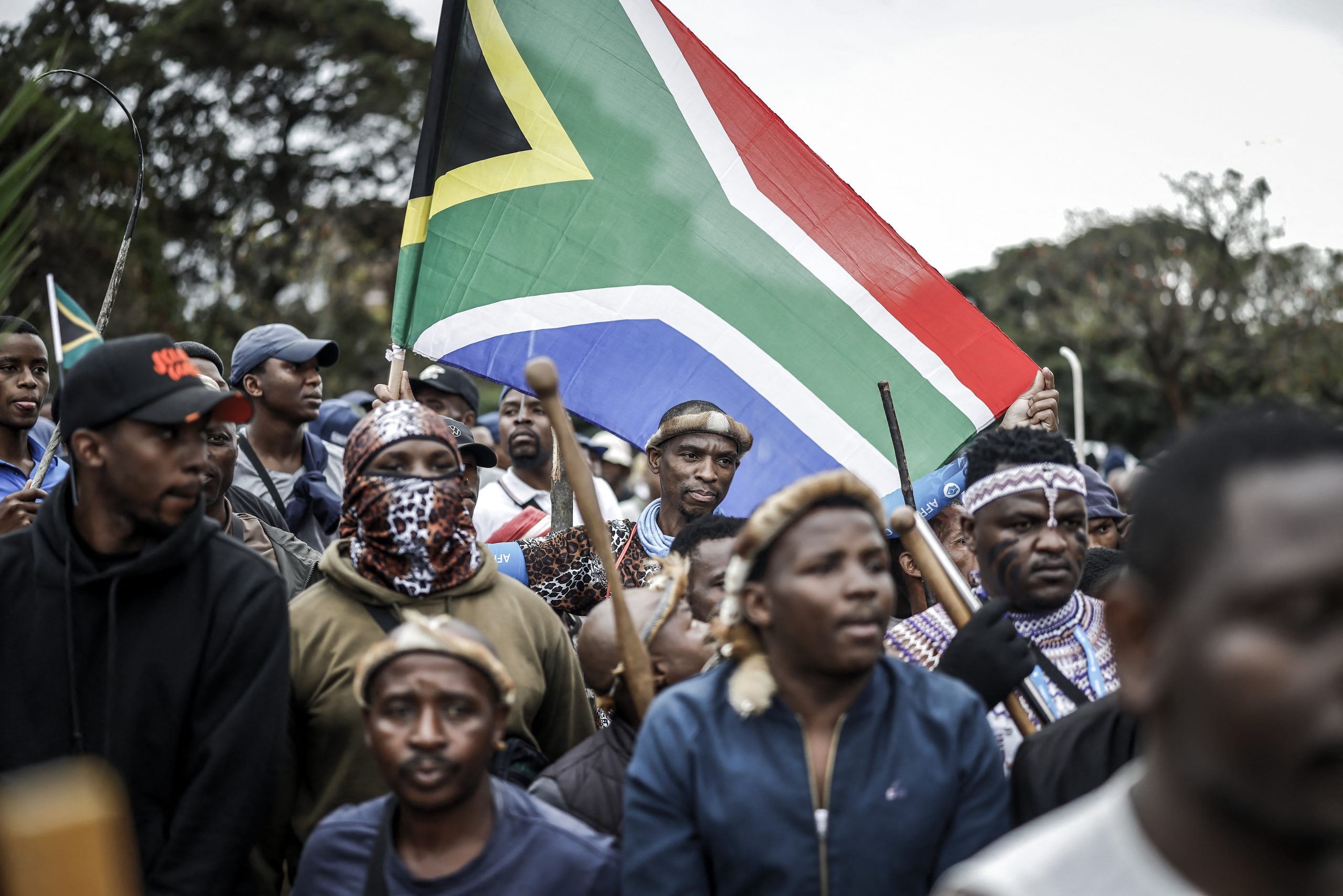
The death occurred just two days before a nationwide demonstration on 30 June, during which thousands of people gathered across major cities including Johannesburg, Pretoria, Durban, Cape Town and Gqeberha to protest against undocumented foreign nationals.
While most of the 120 marches that day were peaceful, police reported 12 instances requiring intervention due to isolated violence, looting and intimidation. More than 900 people were arrested nationwide for various offences including incitement to violence, business robbery and contraventions of the Immigration Act.
ALSO READ: Nigeria warns xenophobic violence shows no signs of abating in South Africa
The protests were organised by groups including the “March and March” movement, Operation Dudula and the Amabutho, who had set 30 June as a deadline for undocumented migrants to leave the country.
Following the rise in anti-immigrant sentiment and threats, tens of thousands of foreign nationals have sought repatriation. Governments of Malawi, Nigeria, Ghana, Zimbabwe and Mozambique have facilitated the return of their citizens, with more than 25 000 foreign nationals repatriated since the start of the unrest.
President Cyril Ramaphosa deployed 3 405 members of the South African National Defence Force on 30 June to support police in maintaining law and order. The deployment, costing approximately R54.6 million, is scheduled to last until 31 July and covers all provinces.
ALSO READ: Nigeria to seek compensation from South Africa over xenophobic violence

