MOSSEL BAY – Police have arrested a suspect in connection with the murder of a 19-year-old South African man in Mossel Bay, dismissing widespread social media claims that he was killed during xenophobic violence that has gripped the coastal town.
The South African Police Service (SAPS) confirmed on Wednesday that a 23-year-old suspect has been arrested in connection with the death of Nhlamulo Sambo (19), whose killing had initially been linked to anti-migrant protests in the Western Cape town.
However, police investigators have found no evidence connecting Sambo’s death to tribalism, xenophobia, anti-immigration protests, or his identity as a Tsonga-speaking South African.
What actually happened
Preliminary investigations indicate that Sambo and a 15-year-old companion were found inside a shack in Mossel Bay by its owner, before a confrontation broke out.
Sambo reportedly fled during the confrontation, while the younger boy hid under a bed inside the shack. The circumstances leading to Sambo’s death remain under investigation.
The 23-year-old suspect is expected to appear in court soon on murder charges.
Social media misinformation
Police issued the clarification after social media platforms were flooded with claims that Sambo had been attacked because he was Tsonga and was allegedly mistaken for a foreign national amid ongoing tensions over undocumented migration in parts of the Western Cape.
The false claims gained traction as Mossel Bay became the epicentre of a new wave of xenophobic violence that has claimed the lives of at least two Mozambican nationals following anti-migrant protests last Friday.
Mozambique’s government has disputed South Africa’s death toll, saying five of its citizens were killed “as a direct consequence of the xenophobic attacks” that flared after a march against undocumented migrants in the town.
Growing unrest
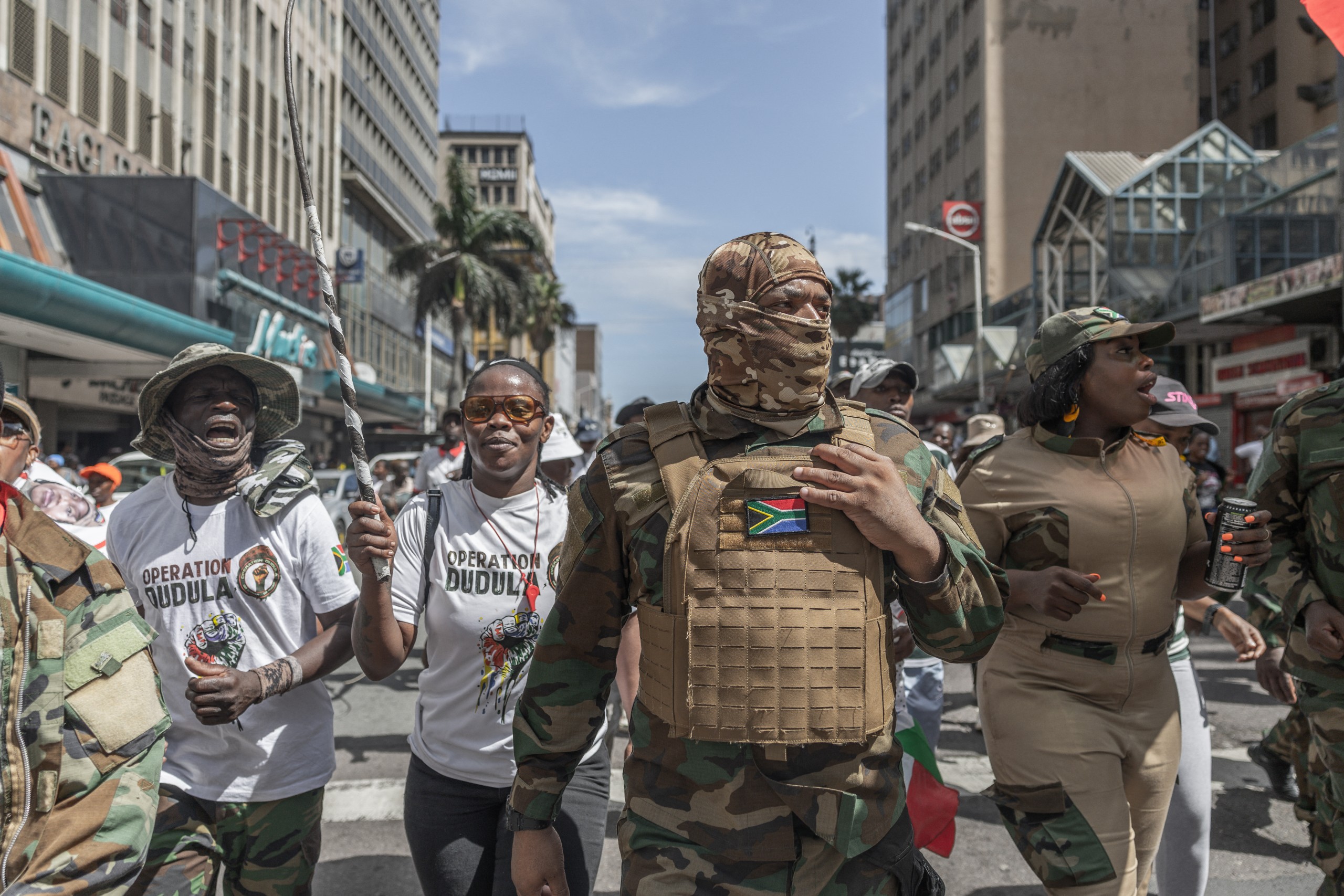
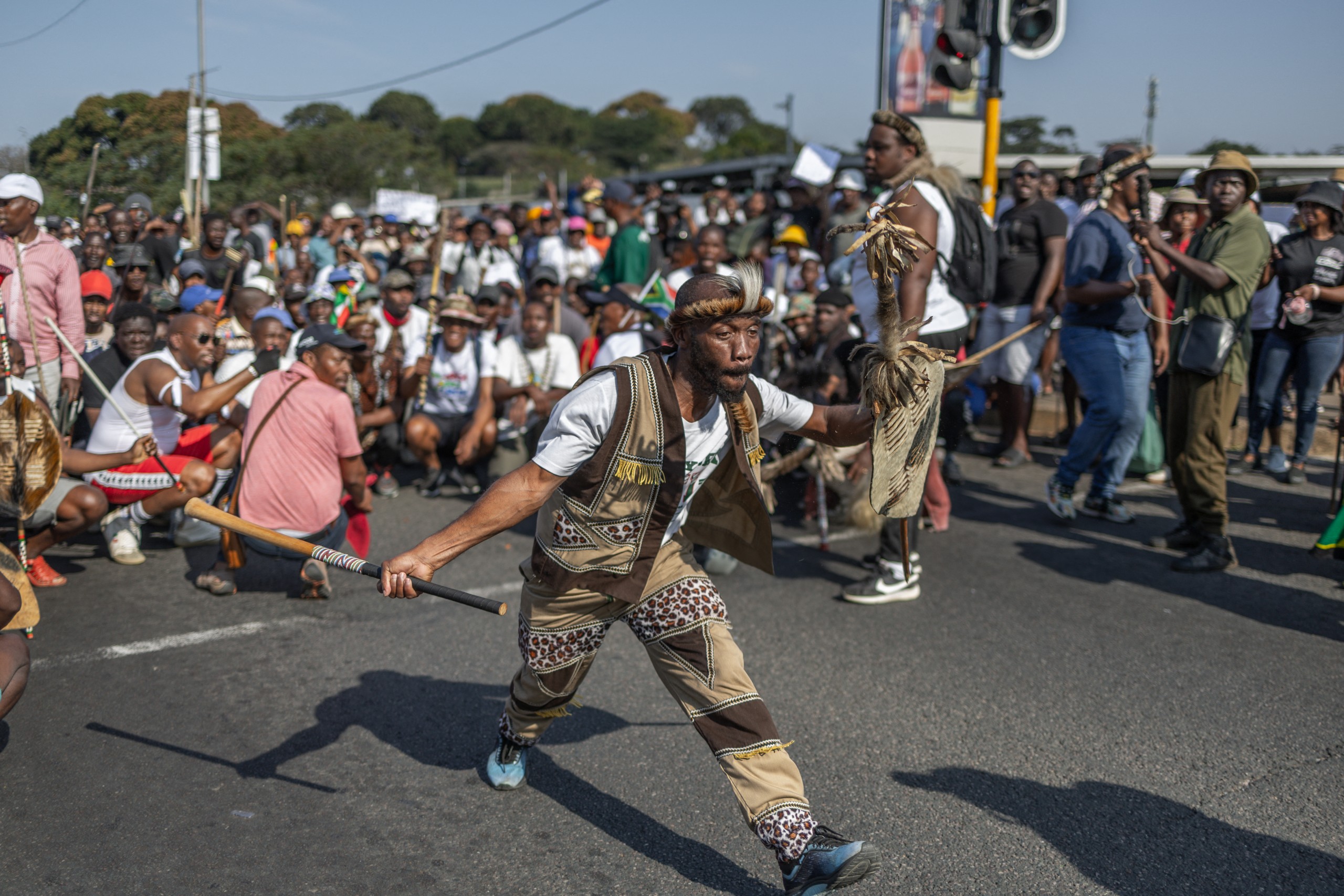
The violence in Mossel Bay forms part of escalating anti-migrant protests across South Africa, with vigilante groups warning undocumented foreigners to leave the country by 30 June.
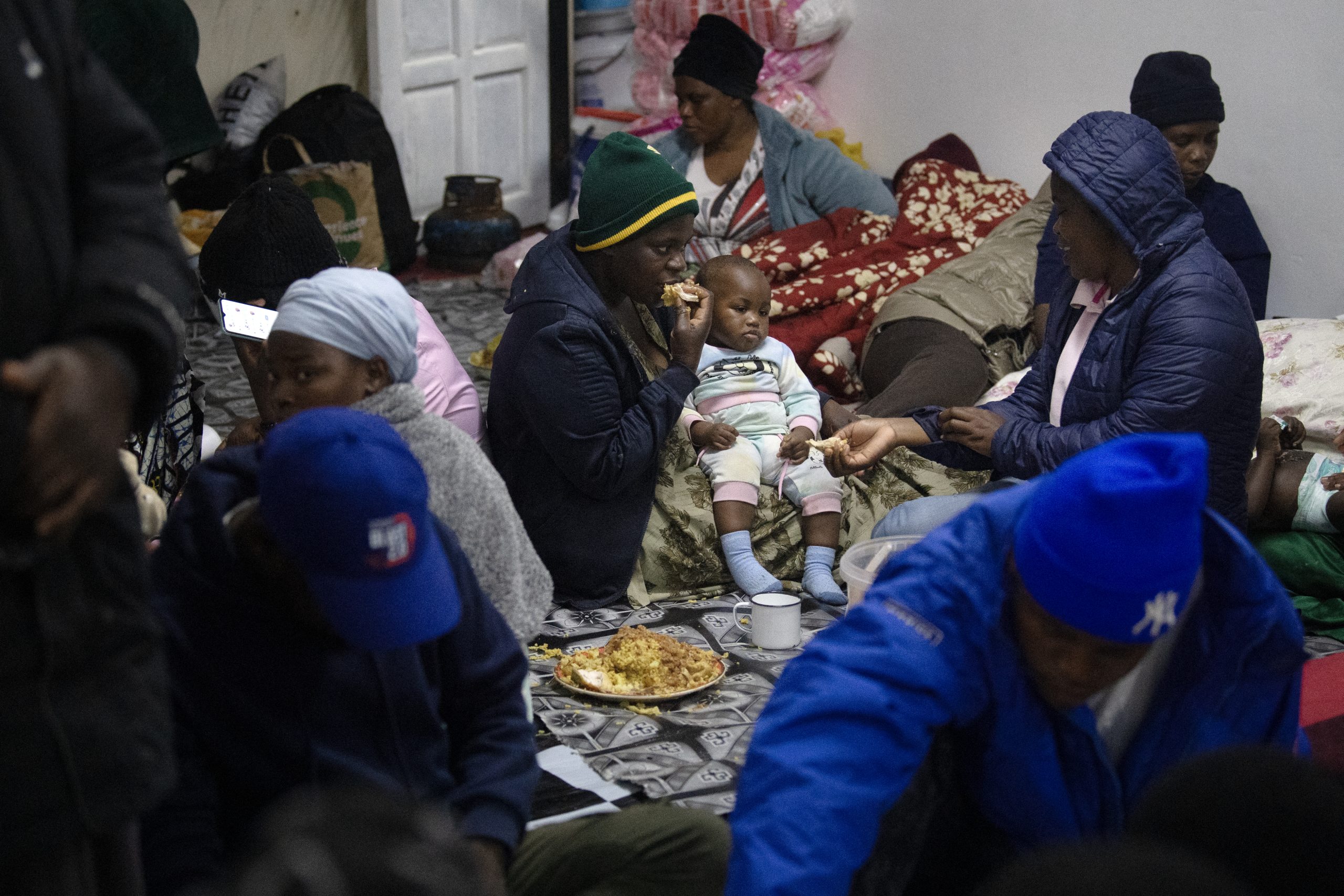
The deadline has sparked alarm among foreign nationals and prompted several African countries – including Kenya, Malawi, Nigeria, Lesotho and Zimbabwe – to urge their citizens in South Africa to exercise caution. Ghana has already flown home 300 of its nationals, while Nigeria announced it would also repatriate its citizens.
ALSO READ: Two Mozambicans killed as xenophobic violence resurfaces in South Africa
Mostly low-key demonstrations against undocumented migrants flared late last year when foreign nationals were blocked from accessing clinics and hospitals. Protests have intensified this year, with some political forces appearing to use the tensions to garner support ahead of municipal elections in November.
South Africa’s official unemployment rate stands at nearly 33%, with migrants becoming convenient scapegoats for public anger over joblessness, crime and pressure on resources.
There are roughly three million immigrants in South Africa, about 5.1% of the population, with more than 63% coming from neighbouring countries in the 16-member Southern African Development Community (SADC) bloc.
Pattern of violence
South Africa has experienced recurring waves of xenophobic violence over the past two decades. In 2008, 62 people were killed in anti-immigrant riots and thousands displaced. Further outbreaks followed in 2015, 2016 and 2019, when at least 12 people died.
Critics say weak law enforcement and limited prosecutions have entrenched a culture of impunity around xenophobic attacks.
ALSO READ: Court orders South Africa to stop xenophobic health clinic blockades