

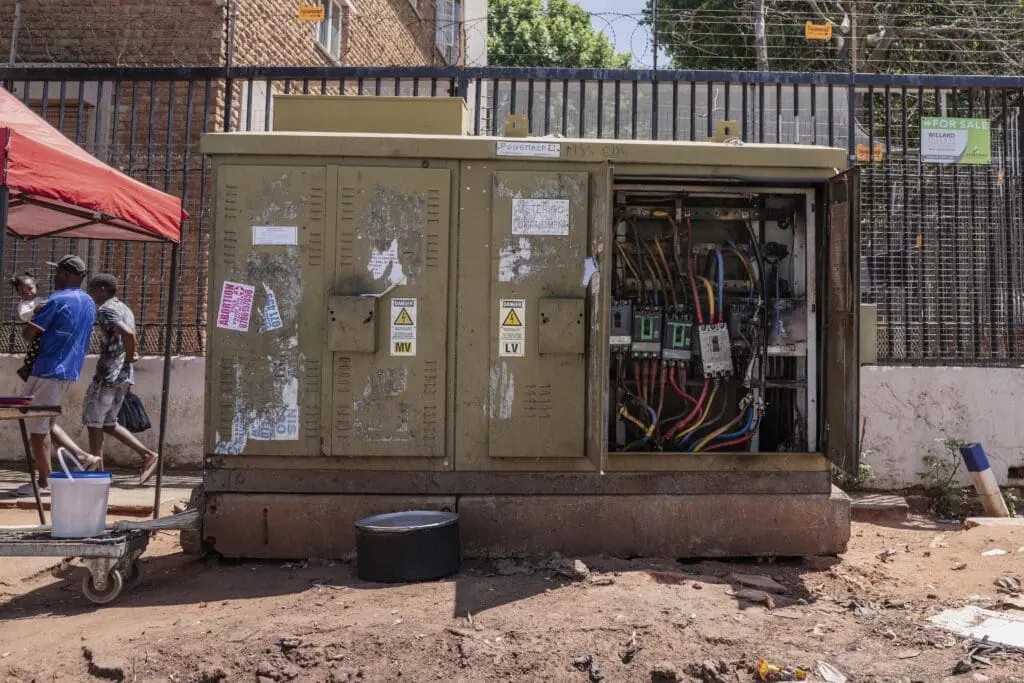
Johannesburg’s City Power is deferring critical infrastructure projects as its financial crisis worsens, with a R44-billion backlog, R2-billion deficit, and R1.5-billion owed to creditors threatening essential services across the city.
The utility faces mounting pressure from rampant cable theft, severe electricity losses of 30%, and aging infrastructure dating back to the 1940s. The financial strain now threatens water security for 60% of Johannesburg’s residents who depend on infrastructure linked to deferred electricity upgrades.
While Joburg Mayor Dada Morero and Finance Minister Enoch Godongwana insist the city’s financial situation can be turned around, City Power’s third quarter report for 2026 reveals a worsening picture. The two held a meeting on Tuesday to “reflect on the progress made, confront the challenges that remain and agree on practical interventions to strengthen the city’s financial position”. No details were given on the turnaround plan.
City Power’s financial position shows the utility must deal with infrastructure built in the 1940s, a dramatic increase in security incidents, hundreds of thousands of outages every month, and persistent electricity losses. In the first three months of this year, City Power lost 41%, 23%, and 18% respectively of all power purchased from Eskom.
Massive revenue loss from electricity theft
The utility says the loss rate means that for every unit of electricity purchased from Eskom, approximately one in seven units generates no billing revenue. At current bulk purchase cost levels, this is the largest single expenditure line and the primary driver of the R405-million expenditure overrun. The third-quarter report notes this represents a significant and recurring financial drain.
City Power says 60% of electricity outages result from deteriorating infrastructure, some nearly a century old. An additional 20% stem from theft and vandalism, 5% from network overloads, especially in informal settlements, and 15% from Eskom-related faults and third-party damage.
The utility’s overdraft has increased by 34% in just one year. According to the latest quarterly report, its net overdraft rose by 34.2% against the budget, reaching -R19.119-billion compared to a budgeted -R14.247-billion. This overdraft is historical and stems from City Power’s founding. It is an inter-city loan, but the city charges interest on it, which is worsening the overdraft.
Figures from the entity’s actual year-to-date results for the 2025/26 financial year compared with budgeted results reveal that City Power’s net surplus/deficit margin worsened by 12.4% compared to the budget. Total revenue is higher than the budget by 1.1%, reaching R20.660-billion against R20.432-billion budgeted.
Total expenses are higher than the budget by 14%, while the entity’s net profit is 540.7% below budget, with a R2-billion deficit against the budgeted R473-million surplus.
Cable theft and vandalism spike
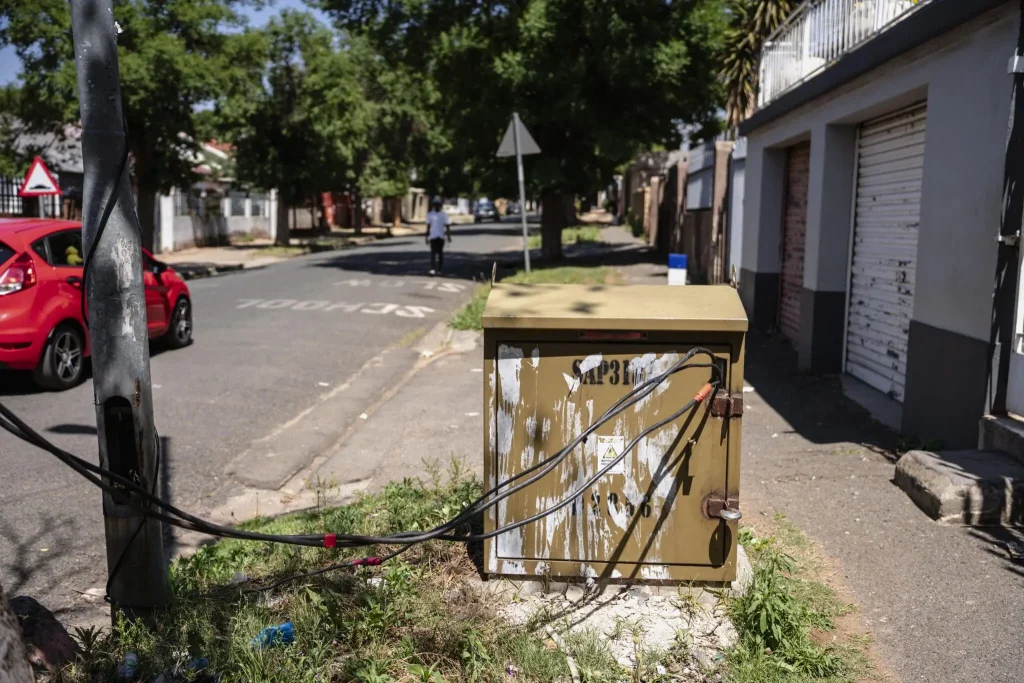
During the first three months of this year, there were 208 cable theft incidents and 93 acts of vandalism reported. Cable theft hotspots include Randburg, Lenasia, Reuven, and Roodepoort.
This past weekend, a spike in cable theft and vandalism cost the utility more than R311 000. Preliminary figures show the losses stem from just five cable theft incidents, with the final cost expected to be significantly higher.
The largest single theft involved about 400 metres of copper cable in Jeppestown, while three suspects were arrested in Marshalltown for allegedly stealing underground cables.
Arrests are down 32% from the previous financial year, which City Power says may indicate operational challenges in enforcement or evolving criminal tactics. There has been a 52% increase in convictions, with cumulative sentences of 145.5 years’ imprisonment.
Increased security costs have overrun the budget by R37.9-million due to stronger security measures being implemented to protect City Power’s infrastructure, as well as protection for the revenue protection team as they visit volatile areas where they are often threatened.
Critical infrastructure projects deferred
City Power admits that its financial position has placed it in a high-risk environment. Because of funding pressure, several key infrastructure projects have been deferred to the next financial year, the third-quarter report stated.
The projects include the Mobile Substation Programme, Transformer Refurbishment Programme, Orlando Switching Station, Dainfern Substation, Eikenhof Substation, the Nancefield-Nirvana Tower Project, and the replacement of aged standby boards at the Cydna, Gresswold, Mayfair, and Ridge substations.
Spokesperson Isaac Mangena said the funding allocated for the projects in the 2025/26 financial year was deferred to the approved 2026/27 budget after implementation timelines were affected by long procurement lead times, statutory approval processes, and other project readiness requirements.
He said approximately R6-million had already been spent on the Nancefield-Nirvana Tower Project and R9.9-million on the Transformer Refurbishment Programme during the previous financial year, while service providers are now being appointed to begin work during the current financial year.
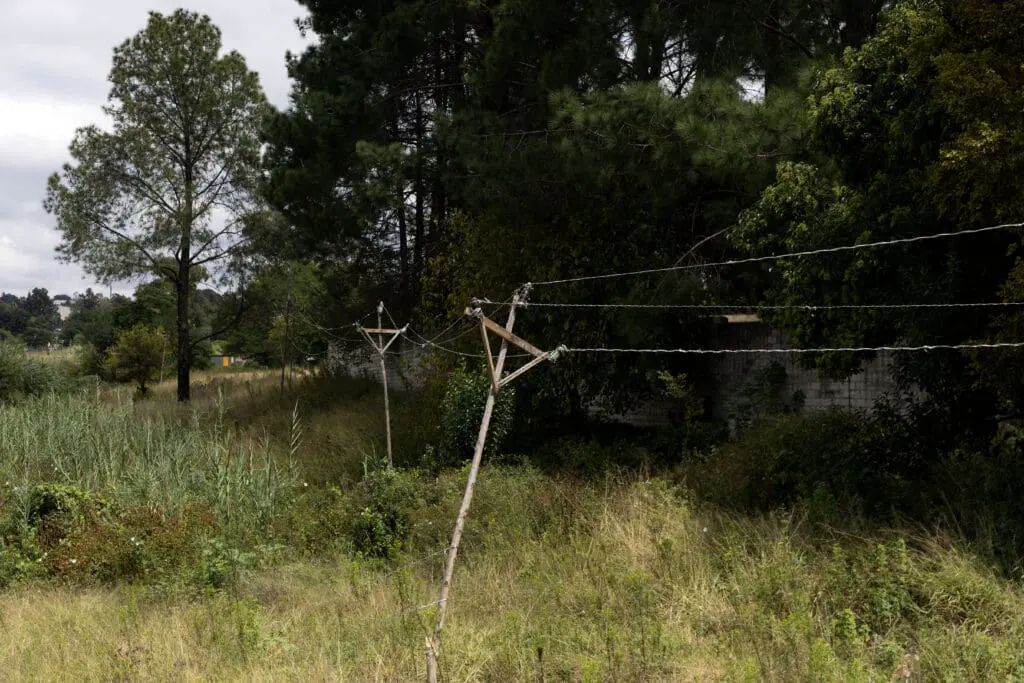
City Power acknowledged that delayed contractor payments had affected the implementation of some projects. It currently owes creditors approximately R1.5-billion. Mangena said the entity continues to pay contractors and suppliers as cash becomes available while prioritising the oldest outstanding invoices.
Work at Pennyville has been suspended due to non-payment, and at the Brynorth Substation, the contractor is demanding full payment before proceeding with work.
Water security under threat
Mangena said the deferred projects remain strategic priorities. The Eikenhof Substation upgrade would increase network capacity, improve reliability, and strengthen electricity supply to the Eikenhof Pumping Station, which supports infrastructure supplying around 60% of Johannesburg’s water.
Although the Eikenhof project has been delayed by about six months, Mangena said City Power does not expect the delay to affect the city’s water supply because all transformers at the substation have already been returned to service, and routine maintenance is continuing while the capital upgrade is implemented.
He said adequate funding has been allocated to allow the deferred projects to proceed during the 2026/27 financial year.
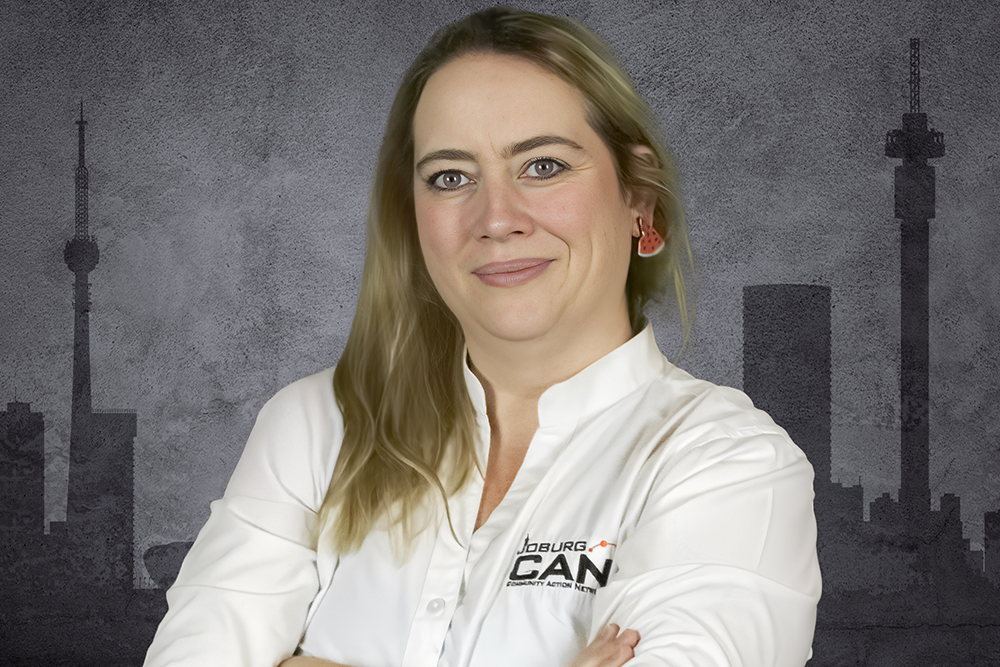
However, Executive Director of JoburgCAN Julia Fish warned that delaying the Eikenhof Substation upgrade could have serious consequences for Johannesburg’s water security.
Fish said the project has been promised for more than three years and is critical to improving the reliability of the Commando water system, where residents have repeatedly endured prolonged outages.
“The Eikenhof project is not a nice-to-have. It is an essential service and should be prioritised,” she said.
The Eikenhof Pumping Station supplies almost the entire western side of Johannesburg, including Soweto, Randburg, and Roodepoort. She said fragile gravity-fed reservoirs in the Commando system, including Hursthill 1 and Hursthill 2, rely on a stable supply from Eikenhof before they can refill and distribute water.
“This is why areas like Coronationville, Melville, Jan Hofmeyer, and Westbury, including public healthcare facilities in those areas, have experienced serious water supply problems over the past five years,” she said.
“It is guaranteed that water disruptions will occur if Eikenhof is not upgraded,” she said.
Fish said the deferment undermines turnaround strategies previously adopted by both City Power and Johannesburg Water, and warned that other investments in the water network would have limited impact if the Eikenhof upgrade is not completed.
She said the city should prioritise infrastructure maintenance by fully funding the turnaround strategies of both utilities and ring-fencing funding for the entities.
- This story was produced by Our City News, a non-profit newsroom that serves the people of Johannesburg.



You must be logged in to post a comment.