South Africa’s latest fuel price adjustment may bring welcome relief to the country’s freight sector, but rising levies and a sharp increase in petrol prices are expected to limit the benefits and continue placing pressure on businesses and consumers.
This is according to Road Freight Association (RFA) chief executive Gavin Kelly, who described Wednesday’s (3 June) fuel price adjustment as a “mixed announcement” that warrants closer scrutiny.
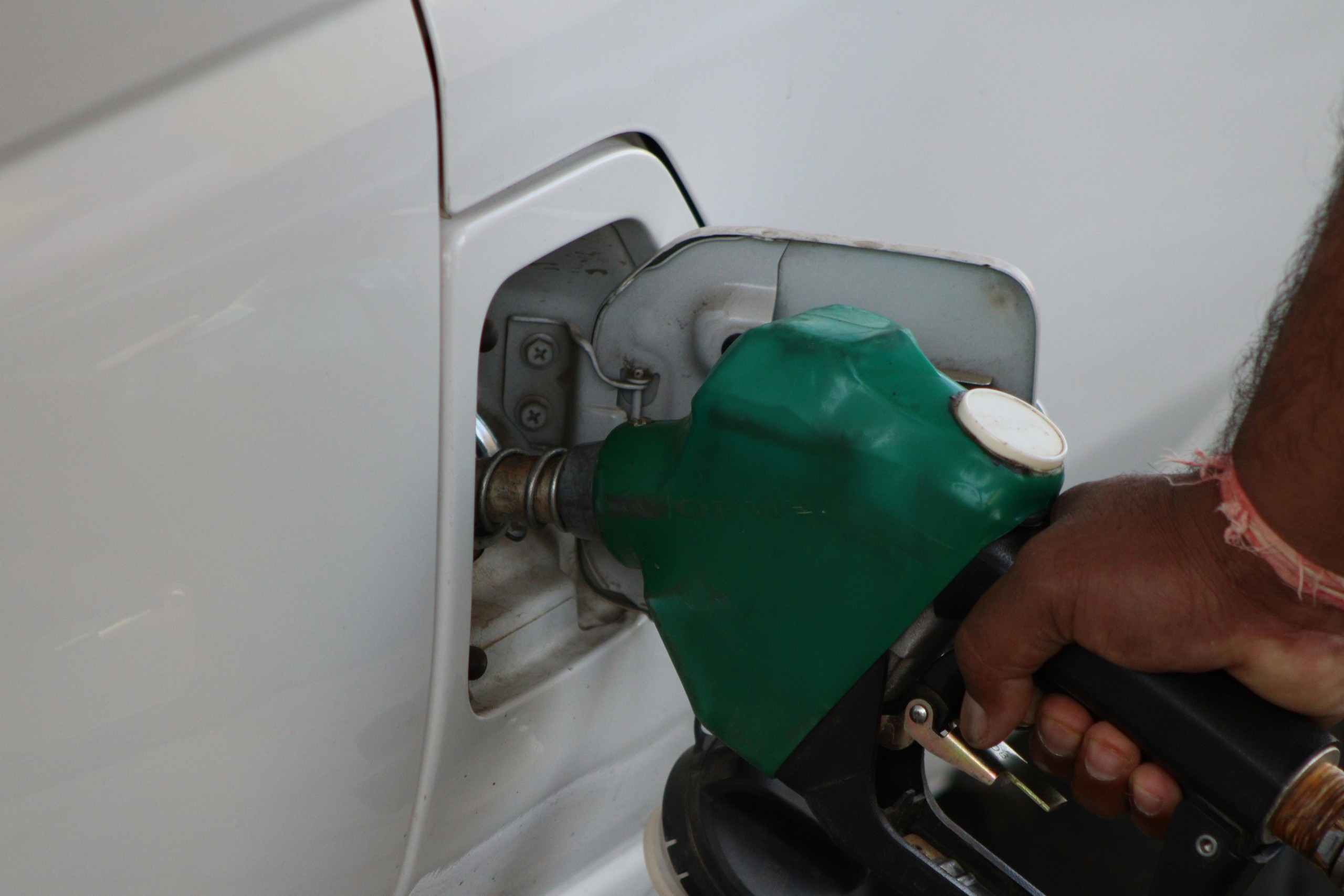
While diesel prices dropped by approximately R3.25/l for 0.05% sulphur diesel and R2.62/l for 0.005% sulphur diesel, motorists were hit with a R1.43/l increase in both grades of petrol.
“The reduction in diesel prices is a welcome, if partial, reprieve for long-haul freight operators,” Kelly said.
Diesel accounts for between 30% and 50% of a typical freight operator’s cost base, making fuel one of the industry’s most significant expenses.
“The diesel decrease will provide some relief to operators of heavy commercial vehicles, who have absorbed elevated fuel costs over recent months,” he said.
However, Kelly warned that the petrol price increase would have wider economic consequences.
“The petrol increase will be felt across lighter commercial fleets, company vehicles, and – critically – by employees whose commuting costs directly influence wage expectations,” he said.
“When household budgets are under pressure from rising petrol prices, the knock-on effects on consumer spending and freight demand are real.”
The RFA cautioned that the apparent diesel saving is being diluted by adjustments to government fuel levies.
Kelly said the slate levy, a surcharge used to recover the fuel pricing system’s cumulative under-recovery of R18.28 billion, had increased by 35 cents per litre.
“The slate levy, a surcharge applied to recover the R18.28 billion cumulative under-recovery in the fuel pricing system, has increased by R0.35/l to R1.58/l, absorbing a meaningful portion of the international price reduction,” he said.
At the same time, government is scaling back fuel levy relief for diesel users.
“The general fuel levy relief is being halved to R1.96/l for diesel in June, with full removal expected from July,” Kelly said.
“Together, these factors mean the net benefit to operators – and therefore the reduction on fiscal pressures through the greater economy – is considerably smaller than it first appears.”
Beyond fuel costs, the freight industry continues to face mounting operational challenges.
Kelly said deteriorating road infrastructure, rising toll costs, skills shortages and currency volatility were placing additional strain on transport operators and the country’s logistics network.
“South Africa’s logistics competitiveness – and the cost of living for ordinary citizens – depends on a stable, predictable, and equitable fuel pricing framework,” he said.
The RFA has called on the Department of Mineral and Petroleum Resources and National Treasury to develop a long-term solution to the growing slate levy deficit and to ensure the withdrawal of fuel levy relief is managed responsibly.
“The RFA calls on the Department of Mineral and Petroleum Resources and National Treasury to address the growing slate deficit with a credible long-term plan, to manage the withdrawal of fuel levy relief in a structured manner, and to pursue reforms that reduce the sector’s vulnerability to external price shocks,” Kelly said.