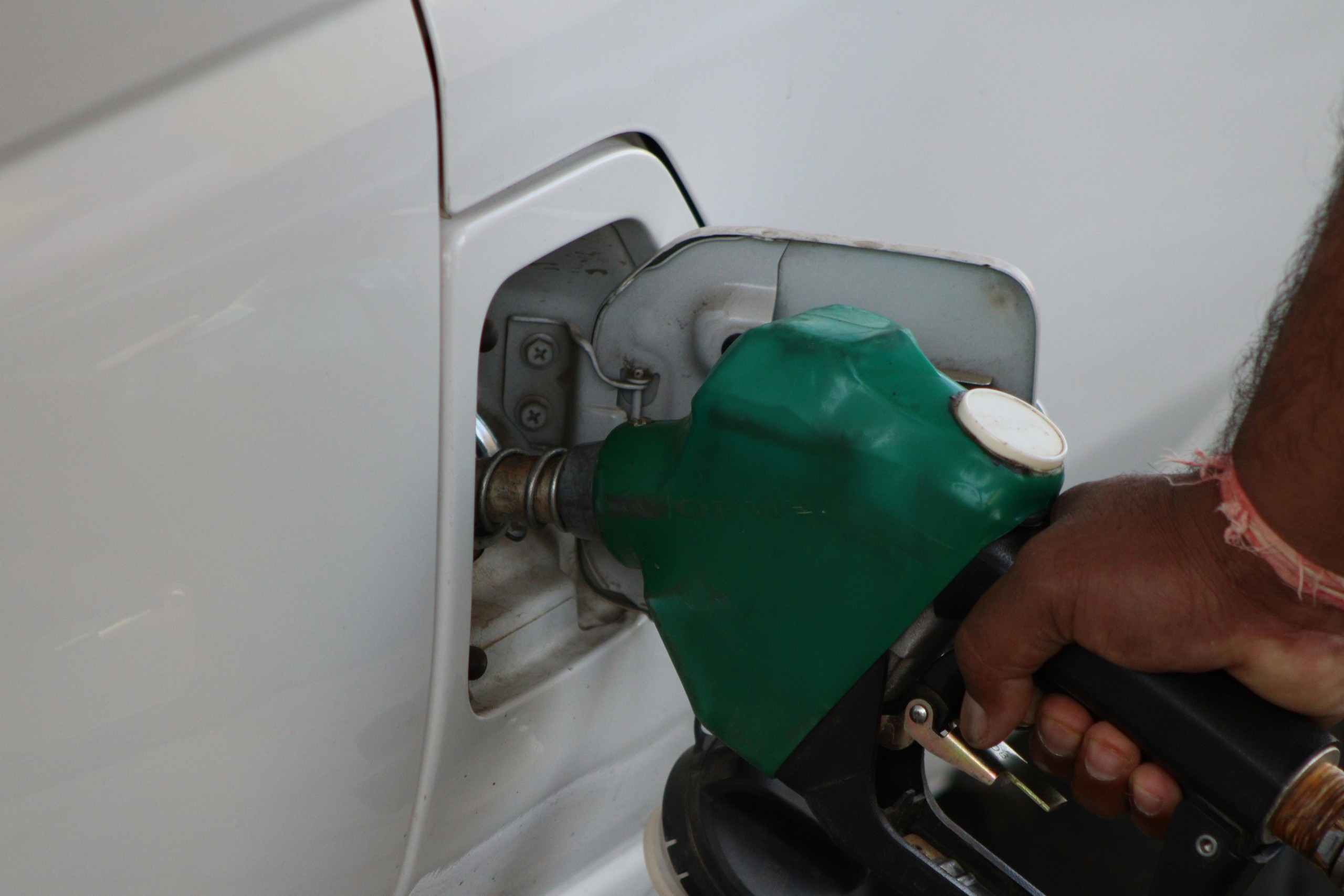
The latest fuel price increase is placing mounting pressure on South Africa’s freight industry, with transport operators warning of shrinking profits, declining business and higher costs for consumers.
The Department of Mineral and Petroleum Resources (DMPR) announced that fuel prices increased from Wednesday (7 May), with diesel initially said to be rising by R6.19 per litre, but after a calculation error was discovered, diesel rose by R5.27 per litre and petrol by R3.27 per litre.
While government has extended temporary fuel levy relief measures until 2 June in an effort to cushion consumers, freight companies say the increases are still having a severe impact on operations.
According to Niki Victor, CEO of Pople Transport, the diesel hikes are directly affecting profitability and customer demand.
“This is of course a negative one. If I may put it this way, all our profits on freight have fallen by at least 6.5%,” Victor said.
“The business is declining and customers are not ordering stock due to the transport prices which are now too expensive.”
According to Victor diesel supply challenges at certain depots around the country are adding further strain to transport operations.
“Separate from this is the availability of diesel. It is a little better now, but there are still several depots where you can only get a certain amount of diesel. This means you now have to refuel more often on the road in cities where you could only fill up at a garage in the past,” he explained.
Meanwhile, the Western Cape Government says contingency plans remain in place to respond to any potential fuel supply disruptions linked to the ongoing conflict in the Middle East.
During an extended Premier’s Coordinating Forum meeting chaired by Alan Winde on 28 April, it was confirmed that while the province has not experienced fuel shortages, preparedness measures are focused on coordination, advance planning and ensuring continuity of essential services such as healthcare, emergency services, food supply and transport.
“While there have not been any disruptions to the Western Cape’s fuel supplies, we cannot let our guard down. Through the good work of our Provincial Disaster Management Centre (PDMC), I am confident we have the best plan in place should this situation change. Provinces have no mandate over fuel supply matters. But this does not preclude us as provincial government from implementing risk mitigation measures.”
The province also welcomed the extension of the temporary fuel levy reduction until June as relief for residents and the economy.
Gavin Kelly, CEO of the Road Freight Association (RFA), also warned that the increases could place some operators at risk of closure. The RFA has been representing road freight operators across South Africa and advocates on issues affecting the transport and logistics sector.
In a statement issued on 7 May, Kelly said the industry had anticipated another increase, but the size of the adjustment would still have a major impact on operators’ cash flow and operating costs.
“Those that were already in a precarious position following the April increase will now have an even tougher battle to survive and there may well be hard decisions to make regarding business longevity or even business closure,” Kelly said.
He added that consumers are likely to feel the knock-on effect through higher retail prices.
“The consumer will start to feel more pressure on retail prices at the till – as only so much can be absorbed by retail or service/product providers before they, too, must pass costs on,” he said.
Kelly attributed the latest increases to instability in global oil markets linked to conflict in the Middle East, including the closure of the Strait of Hormuz and damage to oil infrastructure, which pushed Brent crude oil prices above $100 per barrel.
* NovaNews reached out to multiple freight companies, however only Pople Transport provided feedback.