


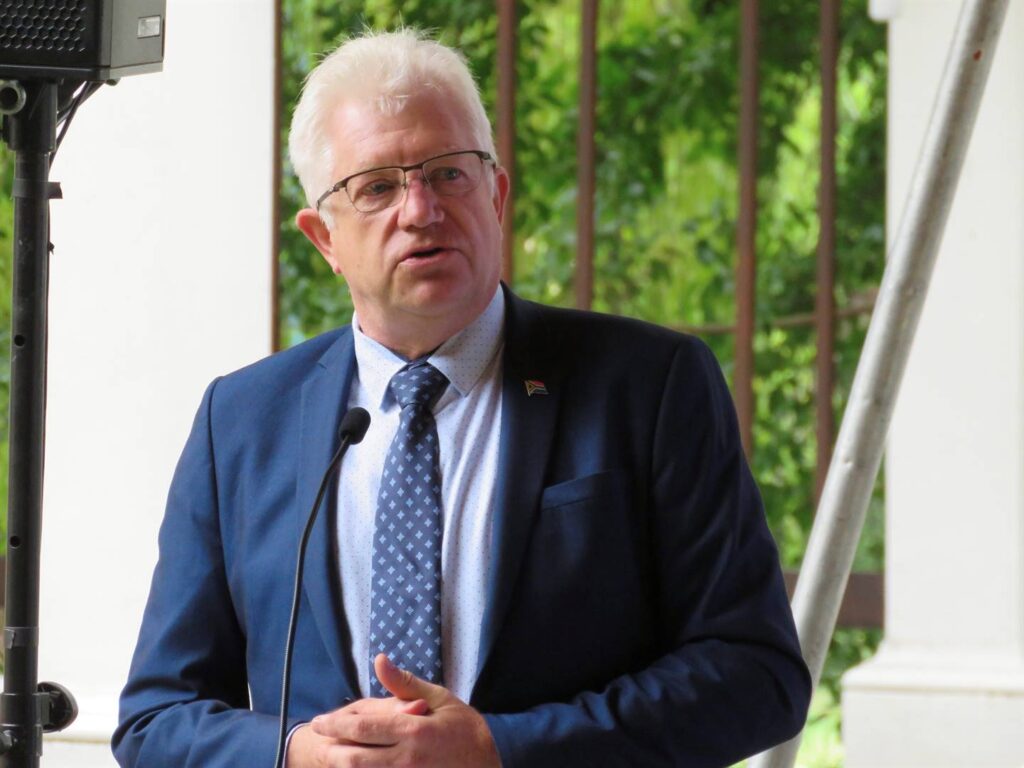
Western Cape Premier Alan Winde has urged stakeholders to maintain momentum in making the Western Cape completely energy and water resilient, as the province’s energy resilience programme continues to add megawatts to the grid.
Winde chaired a meeting of the Western Cape Integrated Energy and Water Council on Friday (31 July). The council was established to drive the Western Cape government’s power and water resilience efforts.
Opening the meeting, the premier urged provincial cabinet members, heads of departments, mayors, municipal managers and other stakeholders to keep up the momentum.
1 800 MW in sight
In his briefing, the premier’s special adviser on energy, Alwie Lester, told the council that if the Western Cape Energy Resilience Programme (WCERP) maintains its progress, a total of 1 800 MW of new power will have been installed in the region through the course of the 2026/27 financial year. At this rate, the province will meet its target of 5 700 MW of new energy generation well ahead of the WCERP’s target of 2035.
Deputy Minister of Electricity and Energy, Alexandra Abrahams, and Deputy Minister of Water and Sanitation, Dr Jack Bloom, were also in attendance and committed to assisting the provincial government, wherever possible, in securing the region’s energy and water resources.
Load shedding abated but not over
Winde noted that load shedding has abated and the national energy system appears to be stable, but said this did not mean the country was out of the woods.
“We must push ahead with the full implementation of WCERP in our region and demonstrate to other provinces that through collaboration, we can enhance our power and water security processes. All of this must be prioritised towards growing our economy,” he said.
Soaring cost of electricity
Many households nationwide are under increasing pressure from the soaring cost of electricity.
The council noted national cabinet’s intention to approve the publication of the national Revised Electricity Pricing Policy for public comment. This is much needed to stabilise the cost of electricity in the country and to ease the burden on already cash-strapped consumers.
Water resilience strategy
The Western Cape government is tackling water resilience with the same urgency as it did with the energy crisis.
The overarching priority of the Western Cape’s Water Resilience Strategy, launched in October 2025, is to secure more than 300 million cubic metres of water per year for the province by 2035.
The strategy aims to strengthen water security through a range of targeted programmes, including water conservation and demand management, water augmentation, infrastructure development, and governance.
A key component is the removal of invasive alien plant species from the Western Cape’s waterways. Currently, two projects are under way, led by the Western Cape Department of Agriculture.
Economic imperatives
The premier concluded the meeting by emphasising: “Wherever we are in our processes, we must make sure across all our departments and municipalities that energy and water security remain a priority. These are economic imperatives. If we are to keep growing our economy to create more jobs, we cannot take our focus off adding more megawatts to the province’s power grid and conserving water.”
ALSO READ: Riversdale solar plant 98% complete as province advances energy independence




You must be logged in to post a comment.