South Africa’s education quality watchdog has warned teachers and principals not to prevent learners from writing their final examinations as more than one million candidates prepare to sit for their exams next week.
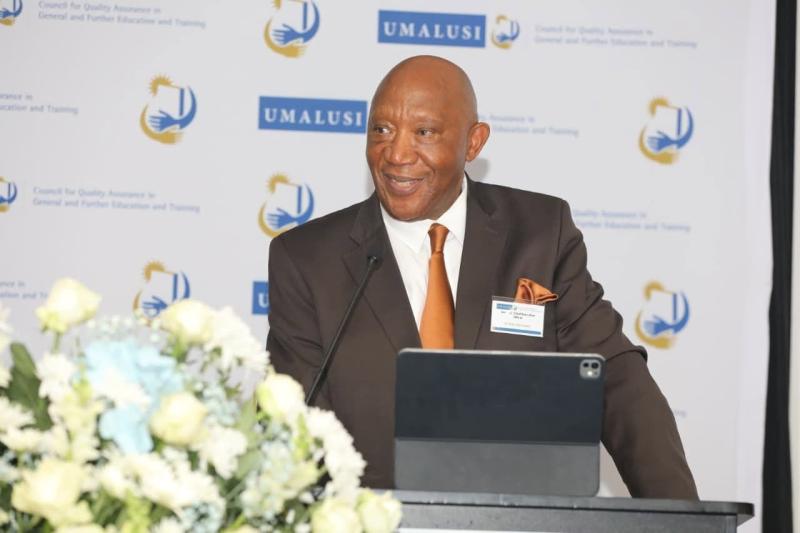
Dr Mafu Rakometsi, chief executive of Umalusi, told journalists in Pretoria on Thursday 8 October that the practice of barring registered students from writing certain papers to boost pass rates remains a serious concern.
“Umalusi sincerely hopes this persistent and unlawful practice will not happen again. This is driven by attempts to improve examination results. We urge learners and their parents to report any such incident immediately to the relevant authorities,” Rakometsi said.
The quality assurance council briefed the media on the state of readiness for final examinations, which start on Tuesday 13 October.
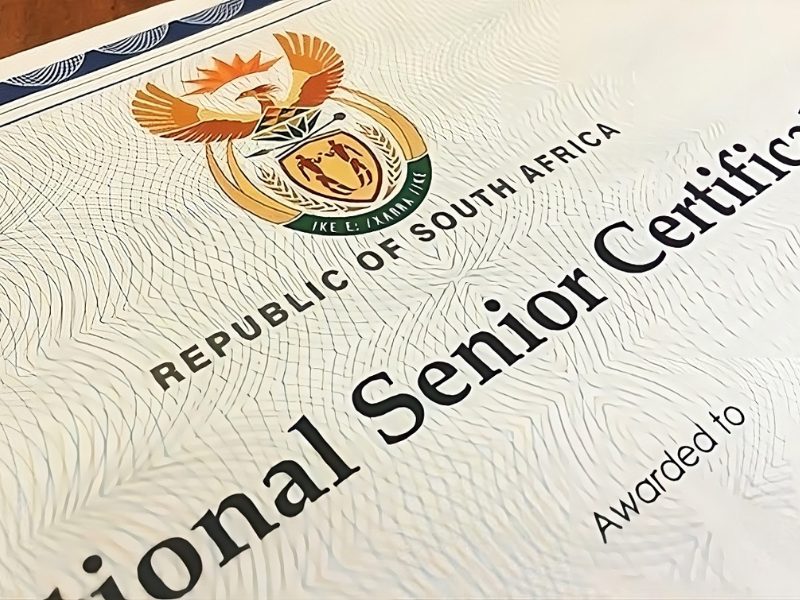
A total of 1 079 879 candidates will write the General Education and Training Certificate: Adult Basic Education and Training (GETC: ABET), National Certificate (Vocational) Level 4 and National Senior Certificate (NSC) examinations.
Assessment bodies ready to tackle cheating
Rakometsi assured the public that examination bodies have systems in place to address and manage irregularities.
“Should they arise, irregularities will be handled within the relevant system and in accordance with regulations governing the conduct, administration and management of assessments and examinations,” he said.
Umalusi called on assessment bodies to take every step to identify and prevent irregularities during the examinations.
Candidates who use unlawful means to gain an unfair advantage face consequences. “Hard work, honesty and diligent study remain the foundations of academic success,” Rakometsi said.
Technical colleges face ongoing problems
Umalusi remains concerned about recurring irregularities involving Integrated Summative Assessment Tasks (ISAT), Practical Assessment Tasks (PAT) and Internal Continuous Assessments (ICASS) at Department of Higher Education (DHET) colleges.
These assessment components measure students’ theoretical knowledge and practical skills in South Africa’s technical, vocational and general education systems.
“Umalusi has repeatedly advised the DHET that successful implementation of ISAT and PAT requires comprehensive planning, including adequate resources and facilities and appropriate scheduling. However, little progress appears to have been made,” Rakometsi said.
Umalusi will deploy officials to monitor the conduct of the examinations and ensure full compliance with regulations.
Elections may disrupt exam schedule
The examination timetable has been adjusted to accommodate the local government elections on Wednesday 4 November, which fall during the examination period.
Umalusi identified political activities and community protests as factors that can disrupt examinations.
“Umalusi will work closely with assessment bodies, provincial education departments and other stakeholders to prevent election-related activities from interfering with the examination process,” Rakometsi said.
Many schools, including those used as voting stations, hold extra classes on weekends and during holidays to prepare candidates for examinations.
Rakometsi appealed to political and community leaders, principals, teachers and parents to minimise disruption caused by political activities, especially near schools serving as examination centres.
“We appeal to everyone to provide candidates with the support they need during this critical stage of their educational journey and to take every possible step to ensure no candidate is unduly disadvantaged,” Rakometsi said.
ALSO READ: Court clears 50 Limpopo matrics branded ‘cheaters’ for two years