

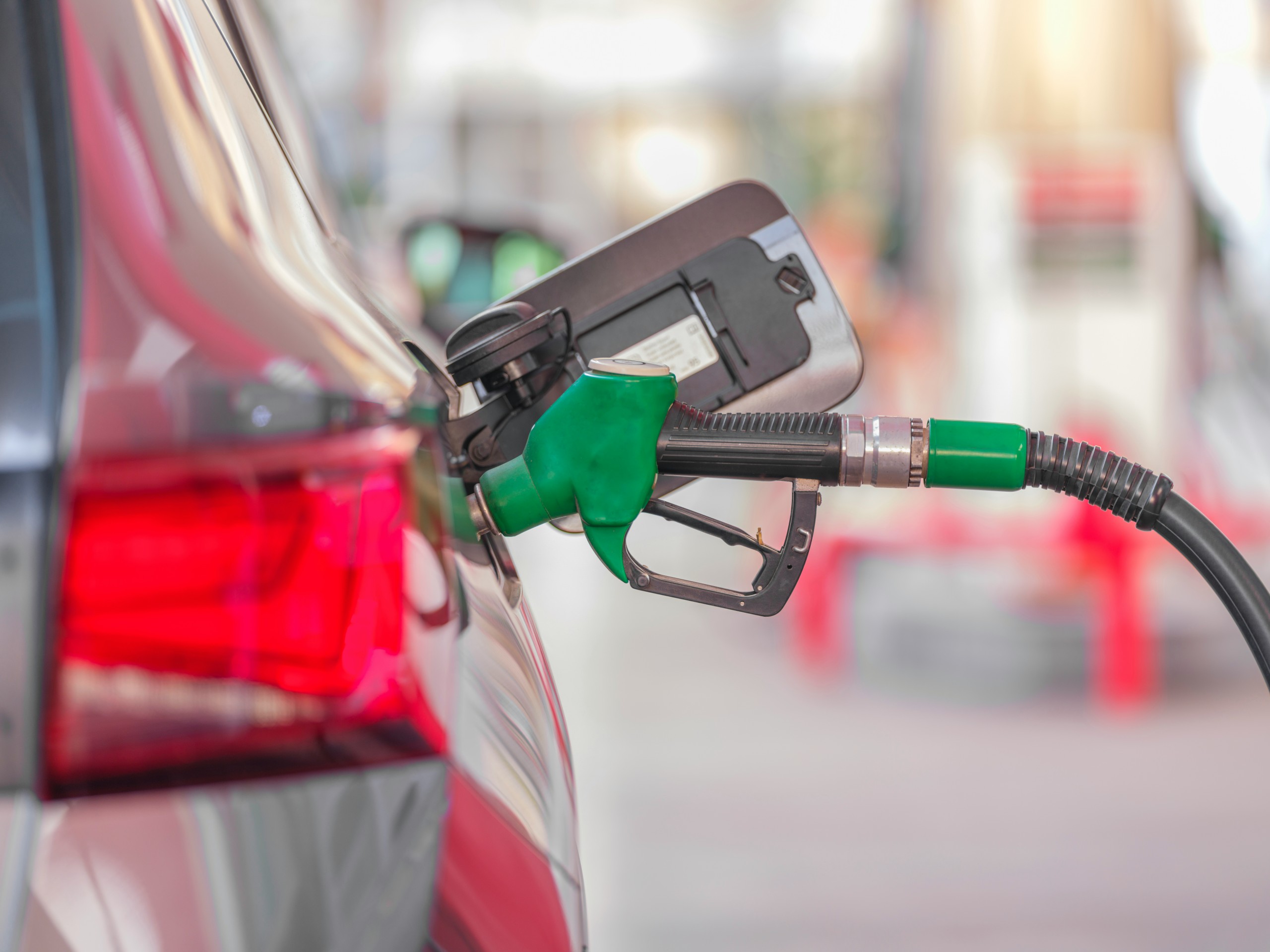
CAPE TOWN – The October fuel price hike has pushed the city’s taxi operators to break-even, the Cape Amalgamated Taxi Association (Cata) says.
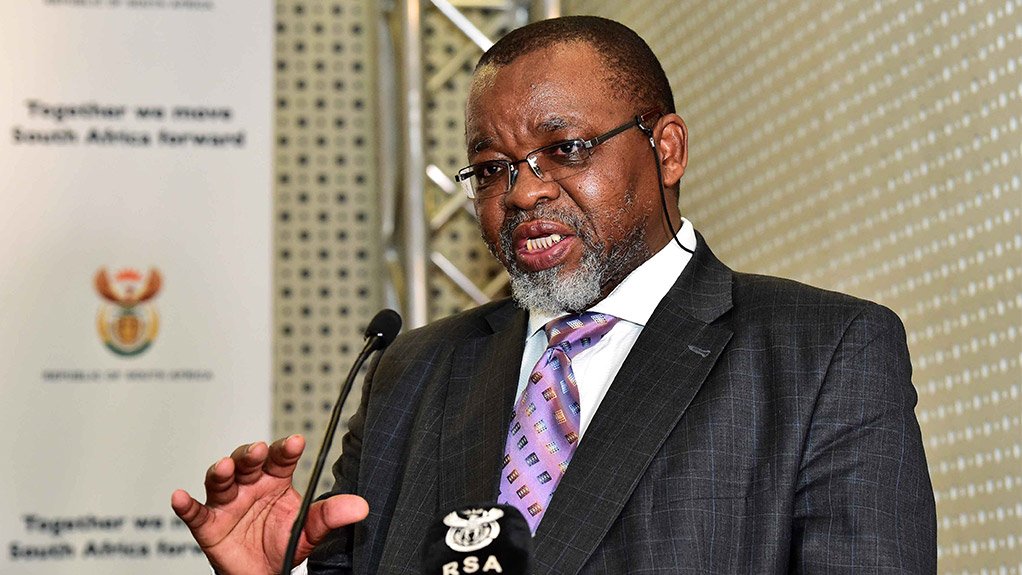
This follows an announcement by Gwede Mantashe, Minister of Mineral and Petroleum Resources, which saw petrol 93 increase by R3,12 per litre and petrol 95 by R3,33 per litre.
Most impactful to the taxi industry was the diesel price increase of R2,84 per litre for 0.05% sulphur and R3,24 per litre for 0.005% sulphur, which came into effect on Wednesday, 7 October.
Nkululeko Sityebi, chairperson of Cata, said that even before the increase, the association’s operators were feeling the pinch and were hoping for a resolution to the rollercoaster of fuel prices so they would not have to increase fares.
“Then boom, the price goes up to a record number,” he said.
This has caused a headache for operators, as they had already increased fares for commuters earlier this year.
Sityebi said a concrete example of this is that a taxi from Nyanga to the Cape Town CBD, approximately 19 km away, costs commuters about R38, which is already steep for their passengers.
“At this price the operators don’t make any income and are simply breaking even.”
He added that the money generated not only goes towards filling the vehicles’ tanks, but also keeping them roadworthy.
ALSO READ: Another fuel price shock as Middle East tensions drive oil costs higher
Sityebi said it might be premature to identify the exact extent of the price increase on commuters and operators, but he foresees compromises ahead.
“Less money will be spent on the quality and standard of vehicles, but we don’t want to see that happen. It is important that our commuters are able to rely on us, and the safety of passengers comes first.”
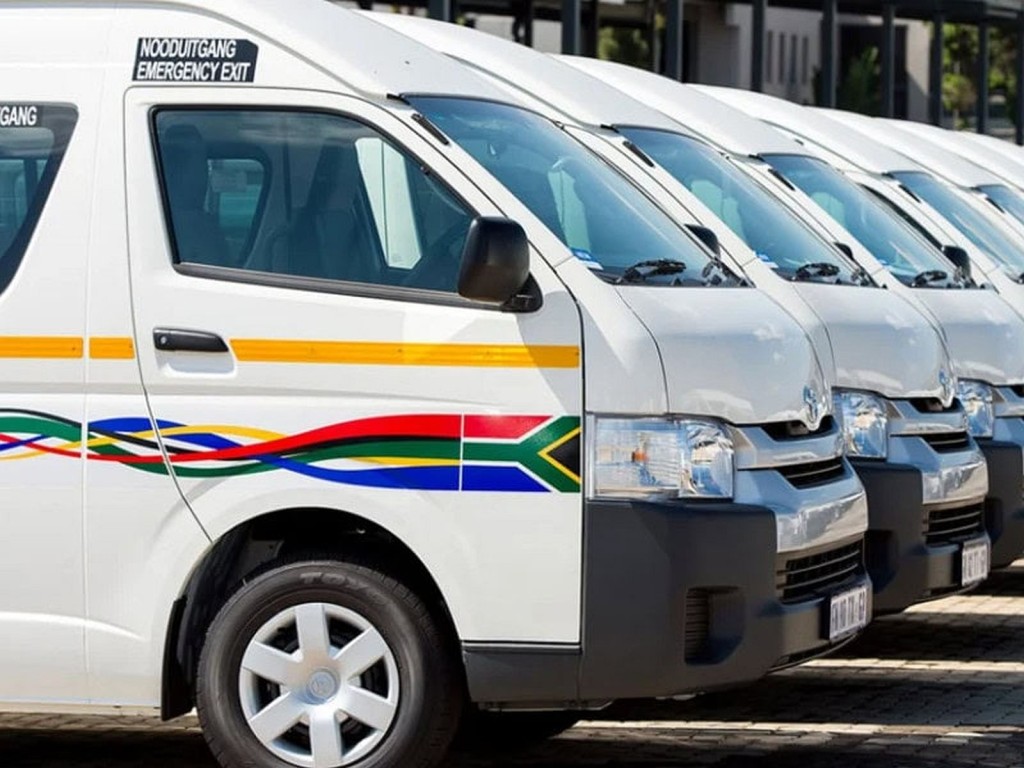
He added that the reality of making an income hinges on quotas for drivers and overall revenue for owners, and that fuel prices are already impacting both.
“We don’t want to increase the fare, but we can’t promise anything.”
According to Sityebi if a decision is made it would be in conjunction with the Congress of Democratic Taxi Associations (Codeta) and guided by the South African National Taxi Council (Santaco).
Also on 7 October, the national taxi council announced via social media that its national executive committee had resolved not to announce any fare increases at that stage, and that the industry would first engage with government and relevant stakeholders to explore possible interventions. The council asked commuters not to panic.
VIEW: https://www.facebook.com/share/v/1HRu9n3z18/
“The industry remains committed to finding a sustainable and responsible solution that considers the realities facing operators, employees and the millions of commuters who rely on the taxi industry every day,” said Semang Masemola, Public Relations Officer of Santaco, in the post.
ALSO READ: Rising diesel costs force freight companies to rethink operations



You must be logged in to post a comment.