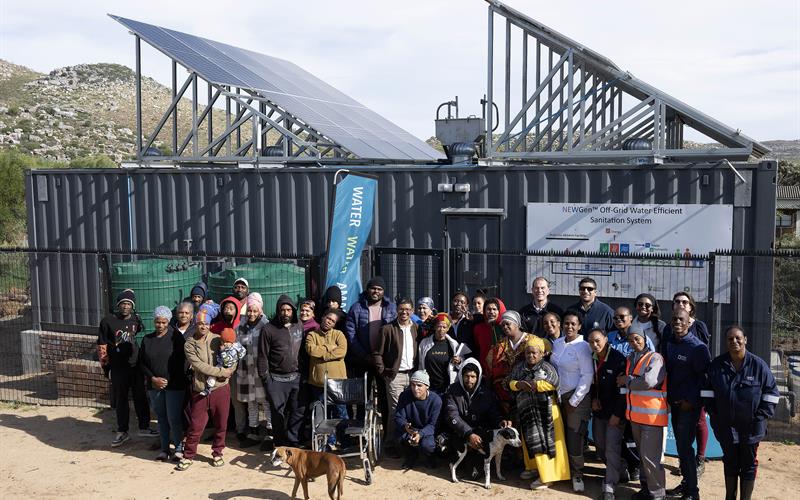
Residents of Rasta Camp in Ocean View, Cape Town, are celebrating the launch of a pioneering off-grid sanitation facility, marking a significant step forward in providing safe and sustainable sanitation to informal settlements.
This project, described as a collaboration between the City of Cape Town’s Water and Sanitation Directorate, the Water Research Commission (WRC) and the Gates Foundation, aims to address the challenges of delivering reliable sanitation in areas where traditional infrastructure is difficult to install.
New facility
The new facility at Rasta Camp completes the roll-out of five pilot sites across Cape Town, each testing advanced, self-sustaining full-flush toilet systems.
The launch took place on Tuesday 16 June.
Previously Rasta Camp relied on 42 portable flush toilets, but the new installation offers a more permanent and dignified solution.
Construction, which began in late last year and concluded early this year, overcame obstacles such as steep terrain and a high-water table, the City said.
The facility consists of three refurbished shipping containers, each containing five full-flush toilets.
Every cubicle is equipped with a wash basin, sanitary bins and features to ensure accessibility for people living with disabilities, including a wheelchair ramp.
System
The entire system operates independently of the municipal grid, powered by a combination of solar and wind energy.
A modular treatment plant on site recycles wastewater, producing pathogen-free water that is reused for flushing, eliminating the need for conventional sewer connections.
To ensure smooth operation and cleanliness, a trained local technical assistant and three janitors have been appointed, with additional technical support from technology partner WEC during the first year.
Community upliftment
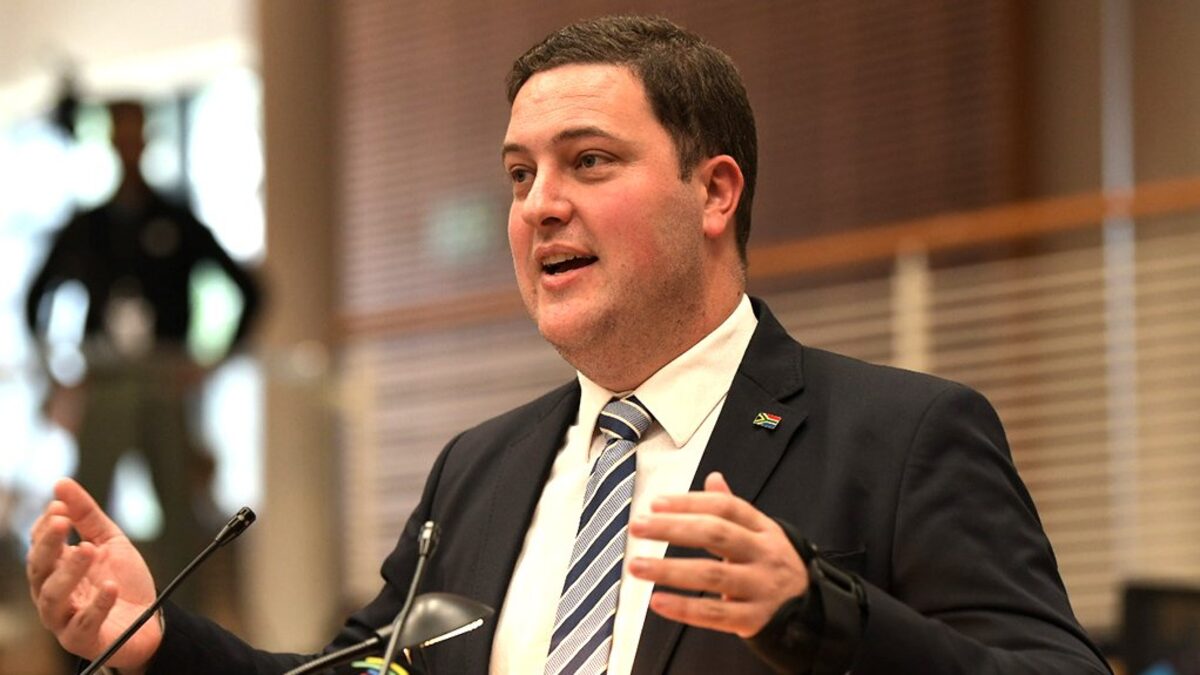
Mayco member for Water and Sanitation Zahid Badroodien hailed the project as a milestone for both the City and the Rasta Camp community.
He emphasised the importance of community ownership, urging residents to use the facility responsibly and to “only flush the three Ps: pee, poo and paper.”
“We now look to the community to use the facility responsibly, ensuring it is kept clean and in good condition. The success and longevity of this facility will depend on residents taking ownership of the infrastructure and using it as intended.”
With all five pilot sites now operational, the City will conduct a comprehensive evaluation of the project’s technical, environmental, economic, and social impacts.
The results will determine whether this innovative sanitation technology can be expanded to other informal settlements, potentially transforming service delivery and improving quality of life for thousands of residents across the city.
ALSO READ: Vlei Trail Park launched with ribbon-cutting