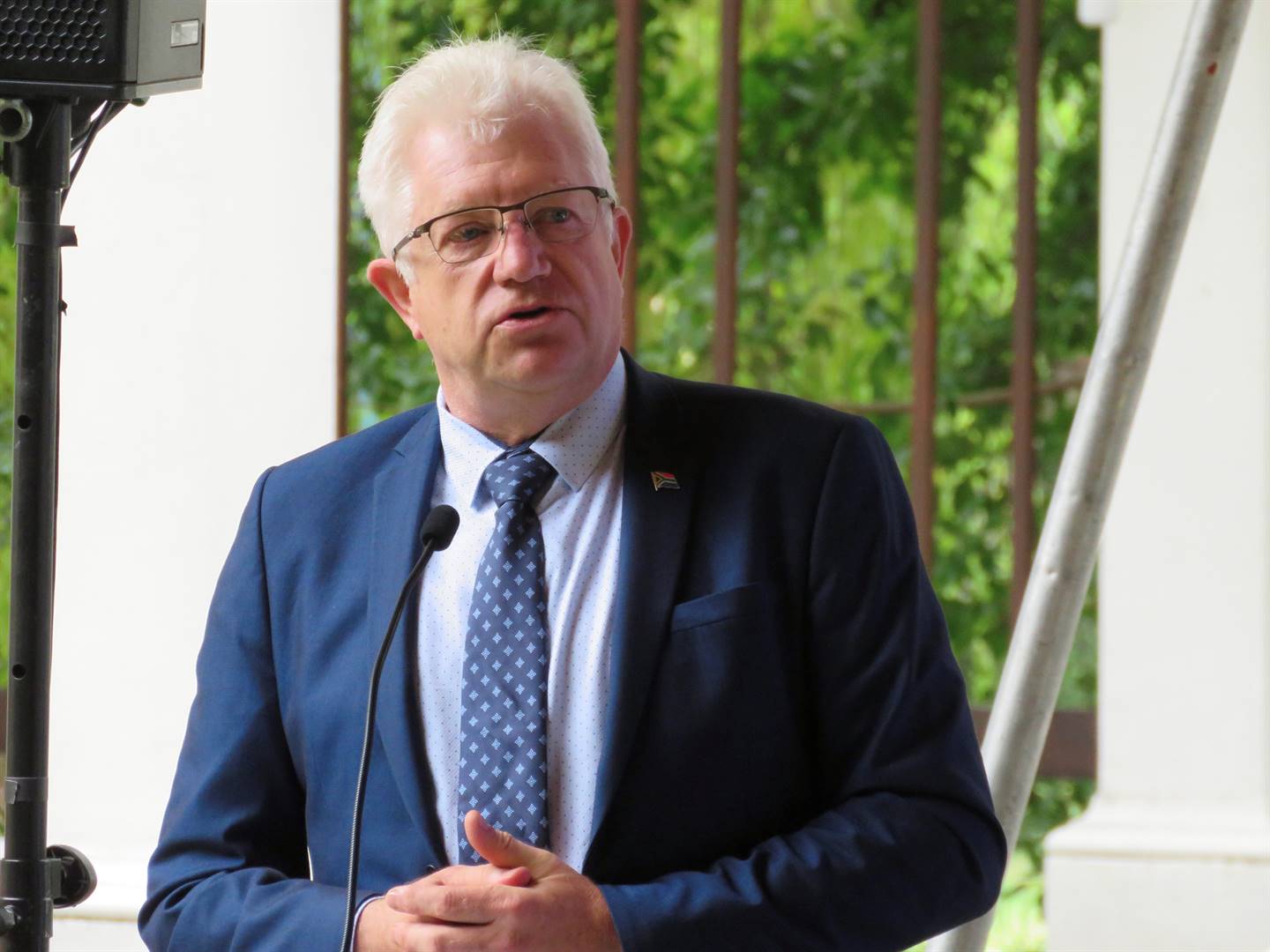
Western Cape Premier Alan Winde stood alongside his provincial Cabinet on Wednesday to brief the media on the province’s shift from emergency response to long-term recovery after storms caused nearly R9 billion in damage, with no clear budget to match.
Winde put the current estimate at R8.999 billion. He stressed the figure remains provisional. Engineers are still completing detailed assessments. Agriculture leads the losses at over R5.2 billion. Roads and bridges add nearly R1.94 billion more. Sites like Meiringspoort remain under active evaluation.
Funding: stretched thin
Cabinet will release contingency reserve funds at its next sitting to keep urgent repairs moving. Finance Minister Deidré Baartman confirmed the move. Provincial Treasury will table a submission to unlock R100 million from the Unforeseen and Unavoidable Reserve. Departments can also shift their own budgets and speed up disaster procurement.
Those steps cover only a fraction of the bill. National disaster funds offer limited relief. They must stretch across several provinces that took storm damage at the same time. “It’s not only the Western Cape that suffered. Other provinces have also had massive damage,” Winde said.
Progress on the ground
The briefing did carry good news. Eskom has reconnected 97% of residents who lost power. Cabinet receives daily updates from Eskom Western Cape management. Workers have reopened around 70% of closed roads. The province has scoped 19 emergency road repair projects, with contractors now active at priority sites.
Infrastructure Minister Tertuis Simmers urged caution. Many structures need full reconstruction, not just repairs. Engineers must complete assessments and designs before construction can begin. The McGregor Bridge tells that story clearly. Contractors started work, then engineers uncovered deeper structural damage. Construction stopped. Communities waited longer.
Building back — but better
Winde made one thing clear: the province will not simply rebuild what the storms destroyed. “These extreme weather events are with us. They’re not going to go away,” he said.
Stronger culverts, redesigned water-flow systems and sturdier foundations are all necessary but they cost “two to three times more” than standard construction. Local Government Minister Anton Bredell stressed that every project must embed climate-adaptive thinking from the start.
Winde has already taken the funding argument to Minister Velenkosini Hlabisa. He wants National Treasury to create both a disaster contingency fund and a dedicated “build back for the future” fund. “That does cost more money, but we need to have that budgeted for into the future,” he said.
Many communities remain cut off. Relief support continues. Winde committed to keeping the public directly informed every step of the way.
ALSO READ: Storm cleanup in Hermanus leads to discovery of human remains in informal settlement