

Foreign ministers from Pakistan, Saudi Arabia, Turkey and Egypt will meet in Islamabad this weekend for talks on the escalating Middle East war, as the conflict enters its second month with no signs of abating.
Pakistani Foreign Minister Ishaq Dar has invited his counterparts to the capital for discussions on Sunday and Monday aimed at de-escalating regional tensions, the government said on Saturday.
The quadrilateral meeting comes as the war that began on 28 February shows signs of expanding further, with Yemen’s Iran-backed Houthi rebels launching their first missile attack on Israel since the conflict started.
ALSO READ: Trump warns Iran to ‘get serious’ in Middle East war talks
Diplomatic push gains momentum
Pakistan has emerged as a key facilitator between Iran and the United States, serving as an intermediary for messages between the two sides as the conflict drags on. The country maintains longstanding links with Tehran and close contacts in the Gulf, whilst Prime Minister Shehbaz Sharif and army chief Field Marshal Amin Munir have struck up a personal rapport with US President Donald Trump.
Turkey’s Foreign Minister Hakan Fidan said the meeting was initially planned for Turkey but was moved to Pakistan because Pakistani officials were required to remain in their country.
Germany’s Foreign Minister Johann Wadephul said he expected a direct US-Iran meeting in Pakistan “very soon”, whilst Iran has reportedly passed a response to Trump’s 15-point plan to end the war via Islamabad, according to Iranian media.
Yemen enters the fray
The conflict showed signs of regional expansion on Saturday when Israel’s military reported intercepting a missile launched from Yemen—the first such attack since the war began. Yemen’s Houthis claimed responsibility for targeting Israeli military sites with ballistic missiles.
The Iranian-backed group had warned on Friday it would join the war if US-Israeli attacks on ally Iran continued or if more countries joined the conflict. “We affirm that our fingers are on the trigger for direct military intervention,” the group said.
Attacks intensify across region
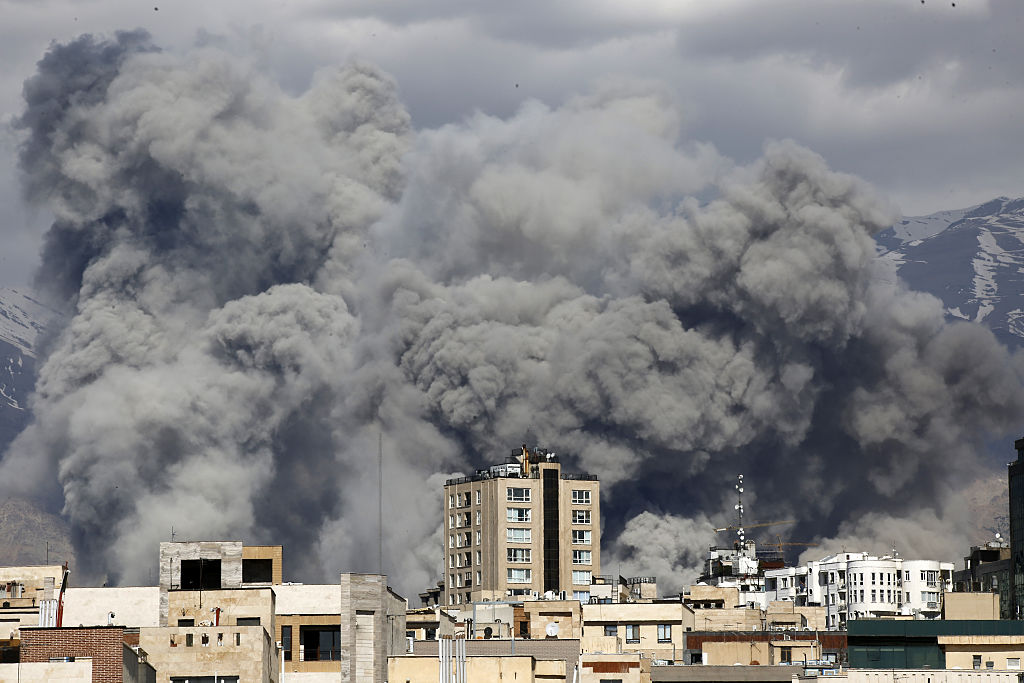
Saturday saw a fresh wave of strikes across the Middle East, with Israeli forces hitting Iranian targets in Tehran as an AFP journalist reported around 10 intense blasts and black smoke rising from the capital.
Gulf countries also came under fire, with the United Arab Emirates reporting injuries to five people after missile and drone attacks from Iran sparked fires at an Abu Dhabi industrial zone. Saudi Arabia said it intercepted missiles targeting Riyadh, whilst Bahrain reported controlling a blaze caused by “Iranian aggression”.
An Iranian attack on a Saudi base wounded at least 12 American soldiers, two seriously, according to US media reports citing unnamed officials. More than 300 American troops have been wounded since the war began, according to US Central Command.
Iran mobilises massive defence force
Iran has announced the mobilisation of one million fighters to counter what it describes as a “suicidal” US ground war on Iranian soil, according to Middle East Monitor reports. Tehran is particularly focused on defending the strategic Kharg Island, from where nearly 90 percent of Iran’s oil is exported.
The Iranian news agency Tasnim quoted a military source stating that as speculation grows regarding a “historical folly” by the United States to engage in ground combat on Iran’s southern front, a wave of enthusiasm has swept through the nation’s land forces, which are prepared to create a “historical hell” for American forces on Iranian soil.
Economic disruption spreads
The conflict’s economic impact is being felt globally, with the near-closure of the strategically vital Strait of Hormuz sending markets into turmoil and pushing oil prices to levels not seen since the Ukraine war began.
ALSO READ: Iran Guards warn civilians after Trump pushes Hormuz deadline
Thailand announced on Saturday it had reached an agreement with Iran to allow Thai oil tankers safe passage through the strait, joining a handful of nations securing transit deals. Iran’s Revolutionary Guards said they had turned back three ships trying to transit the waterway on Friday.
Spain’s central bank warned the country’s economy could face a “significant slowdown” due to the war, whilst Germany said it might have to keep coal-fired power plants running longer than planned if energy shortages persist.
Hopes for breakthrough
Despite the escalating violence, US officials expressed optimism about potential talks. Trump’s special envoy Steve Witkoff said he believed Iran would hold discussions with Washington “this week”, adding that a response to the US 15-point peace plan “could solve it all”.
However, Trump also reiterated his disappointment with NATO allies over their refusal to help secure the Strait of Hormuz, saying: “They just weren’t there for us.”
The war began when the United States and Israel launched airstrikes across Iran, killing Supreme Leader Ayatollah Ali Khamenei and sending shockwaves across the globe. A month later, the conflict shows no sign of ending as regional powers grapple with its expanding scope.

