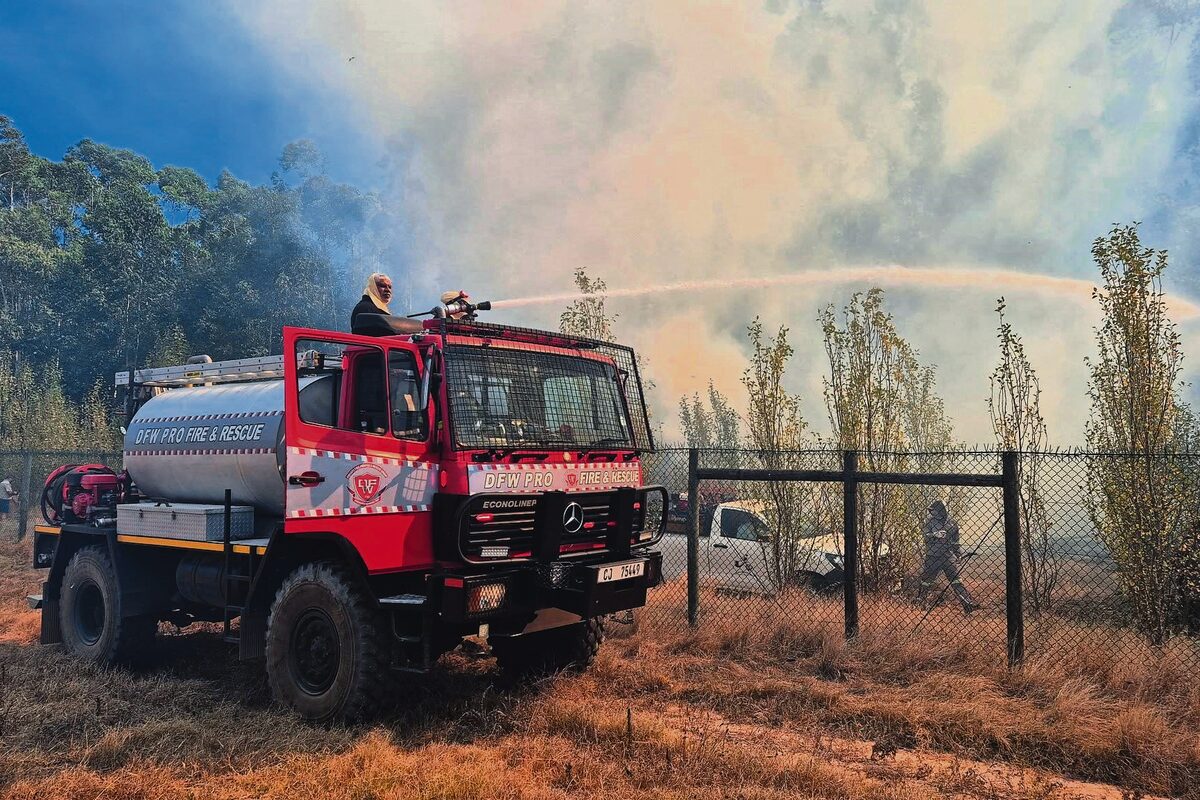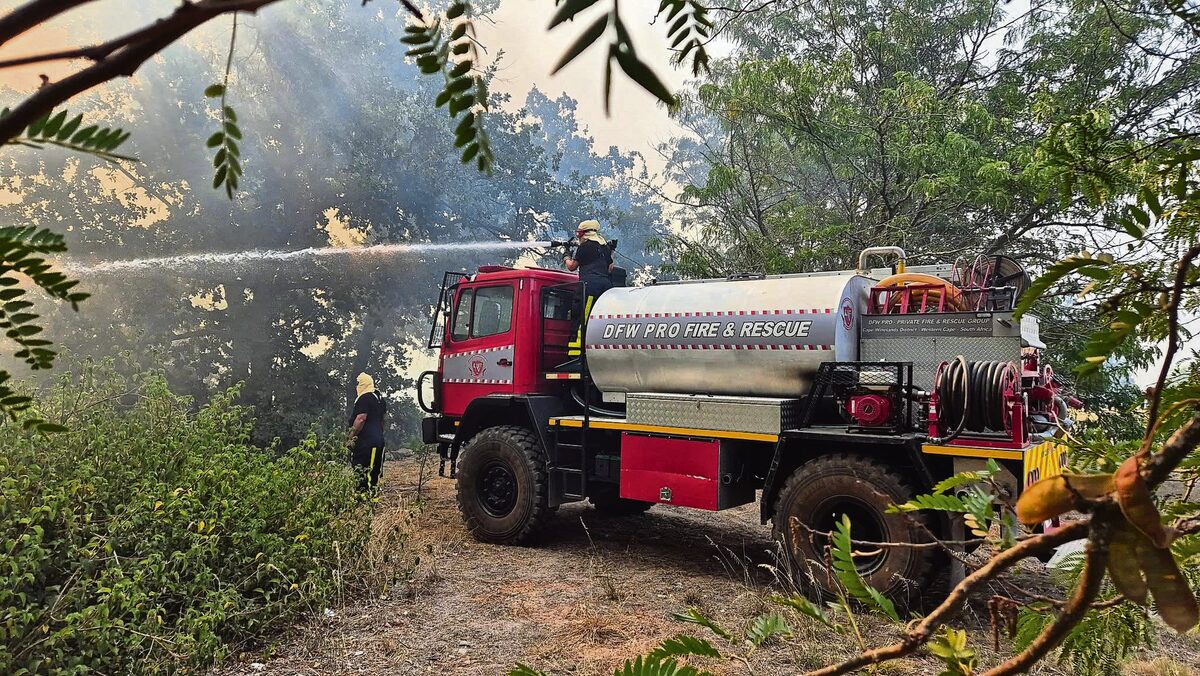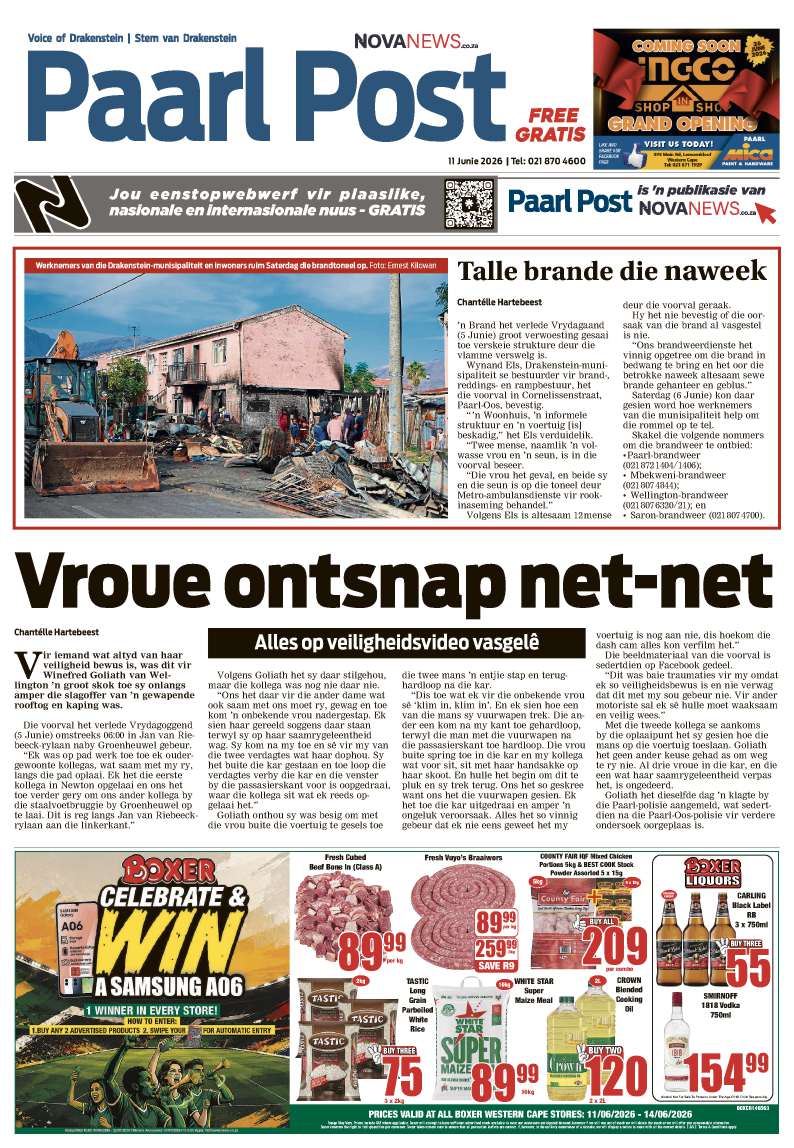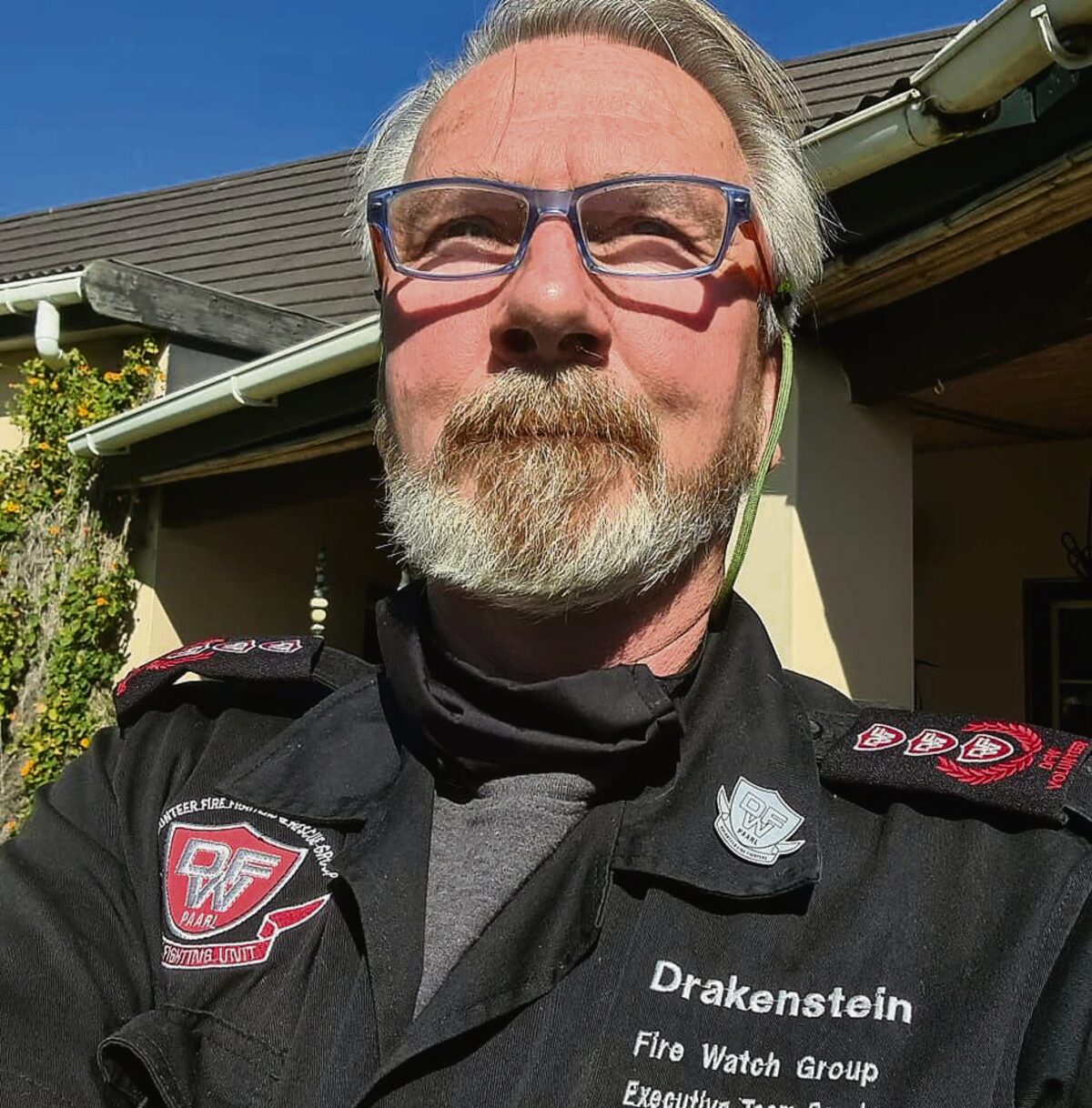
Last week Paarl Post reported on Drakenstein Municipality’s recent stance taken against private firefighting services offered in the area, from such organisations as Drakensein Farm Watch (DFW) and Fidelity Group Services, which has a subscription-based service. Daan van Leeuwen Boomkamp, chairperson of DFW, responded in an open letter to these troubling new developments in the relationship between the private sector and local government.
In times of disaster every second counts. Lives hang in the balance, property lie at risk and communities look to emergency services for a swift, effective response. But what happens when the greatest obstacle to saving lives isn’t the fire or flood, but bureaucracy itself?
Too often, the outcome of an emergency is determined not by capability or courage, but by slow-moving protocols, overlapping mandates, and rigid chains of command.
When territorial disputes, siloed operations and “alleged sole mandates” override collaboration we lose sight of the very reason we serve; to protect lives and mitigate damage.
Many still believe emergency response is a unified effort, involving police, ambulance services (public and private), law enforcement, traffic services, fire brigades and private responders all working hand-in-hand. But the reality couldn’t be more different; many of these entities operate in isolation, driven by internal budgets, performance metrics and a reluctance to relinquish control. Communication among departments is often poor.
The result? Mountains burnt. Homes lost. Businesses destroyed. Families displaced. A local economy in shock. And all of it avoidable.
It is no exaggeration to say the consequences of disjointed response structures have cost our region dearly. All because cooperation is seen as a threat rather than a solution.
At DFW Fire & Rescue we believe in a different future, one where response trumps red tape. Our organisation, made up of highly trained and motivated volunteers, has long advocated for and implemented a centralised control-room model, where incidents are managed in real time through unified communication and daily command oversight. We’ve built a 300-radio-strong emergency network that connects farms, neighbourhood watches and even the municipal fire services. Sadly, that last connection has been severed.
Why? Fear of accountability. Fear of losing control. Fear of comparison. And yet the real fear should be the continued failure to act together.
Let us be clear: the current resistance to private fire and rescue services is short-sighted. The public is not blind to the growing reliance on private emergency solutions – ambulances, hospitals, security firms, and yes, private fire brigades.
These aren’t luxuries; they’re a response to insecurity. When public services fall short, people seek alternatives.
Instead of fighting the private sector, it’s time for government services to benchmark themselves against the best of what’s out there. To learn. To adapt. And, most of all, to collaborate.
We call upon all relevant authorities:
✅ Reflect honestly.
✅ Prioritise results over rank.
✅ Embrace coordination, not competition.
✅ Let the people—taxpayers, insurers, and communities—be the winners.
Because in the end, the real question is not who’s in charge, but who’s getting the job done.