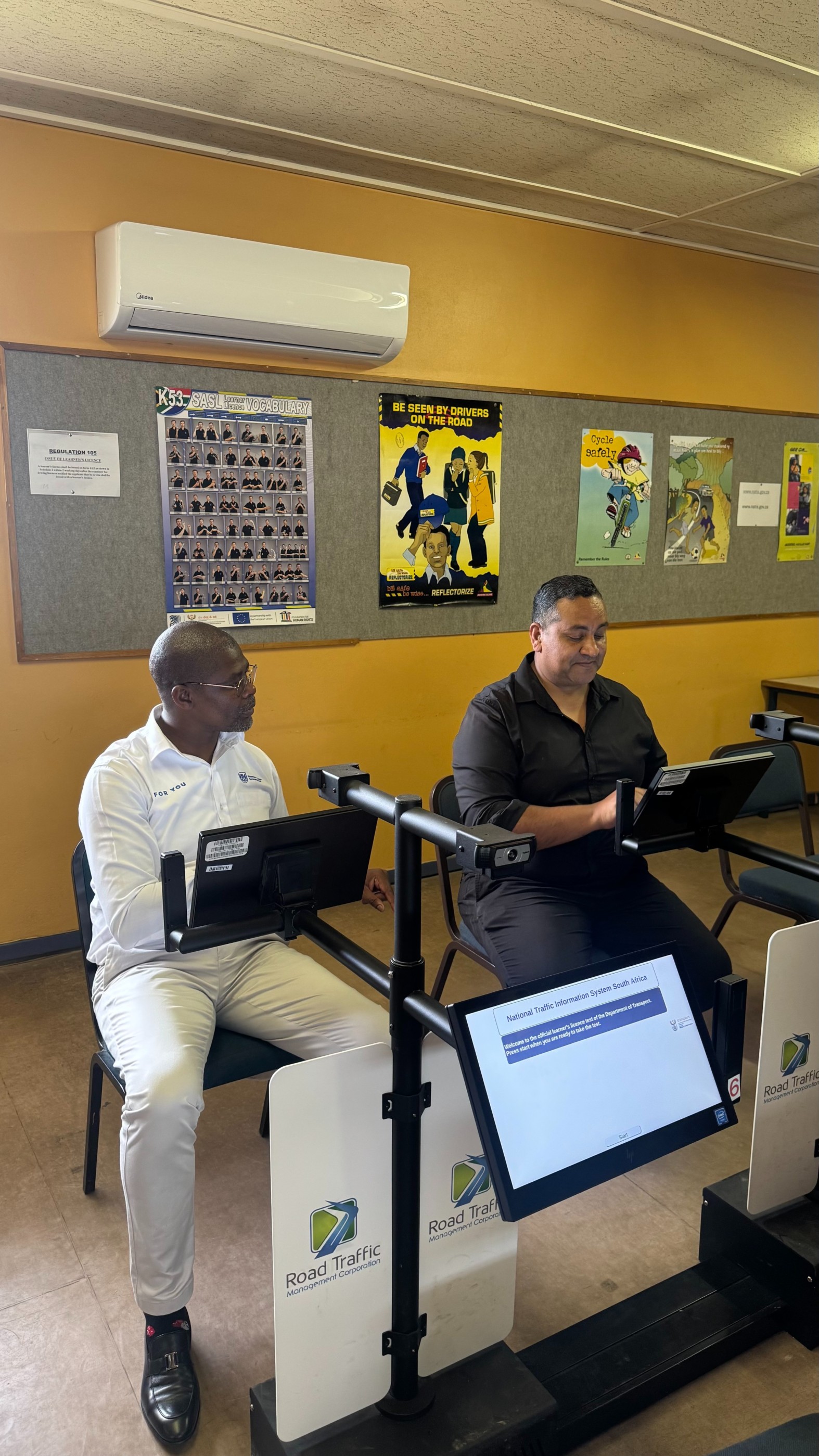
Opposition parties are demanding answers after it emerged that a shocking 82% of learner drivers are failing the Western Cape’s new computerised licence test, with poorly worded questions and lack of preparation being blamed for the abysmal results.
Since the computerised learner licence testing system was introduced in May last year, only 17% of the 142 100 candidates who sat the exam have passed, compared to an overall provincial pass rate of 63% for those still writing the old manual test.
Due to this, the Democratic Alliance will this week conduct oversight visits to driving licence testing centres in George and Knysna to investigate the crisis, while the Freedom Front Plus has called for immediate changes to make the system fairer for young job seekers.
What government acknowledges
Provincial government has confirmed the stark difference in pass rates between the old and new systems. In a written parliamentary reply, the Department of Mobility revealed that whilst the province achieved a 63% overall learner’s licence pass rate during the 2025/26 financial year, candidates writing through the computerised system recorded just 17%.
The department has acknowledged that no language proficiency testing of exam content was conducted before the official launch, despite the test being available in all 11 official languages. This admission has raised serious questions about whether candidates are failing due to lack of knowledge or simply because they cannot understand poorly translated questions.
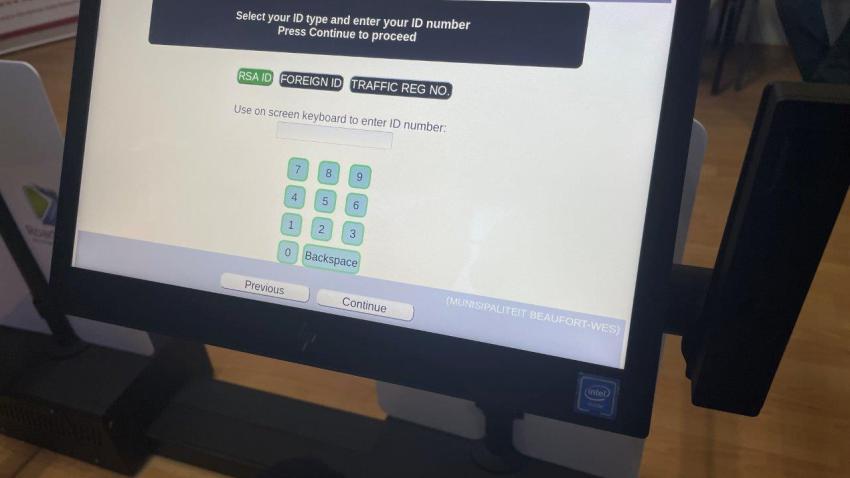
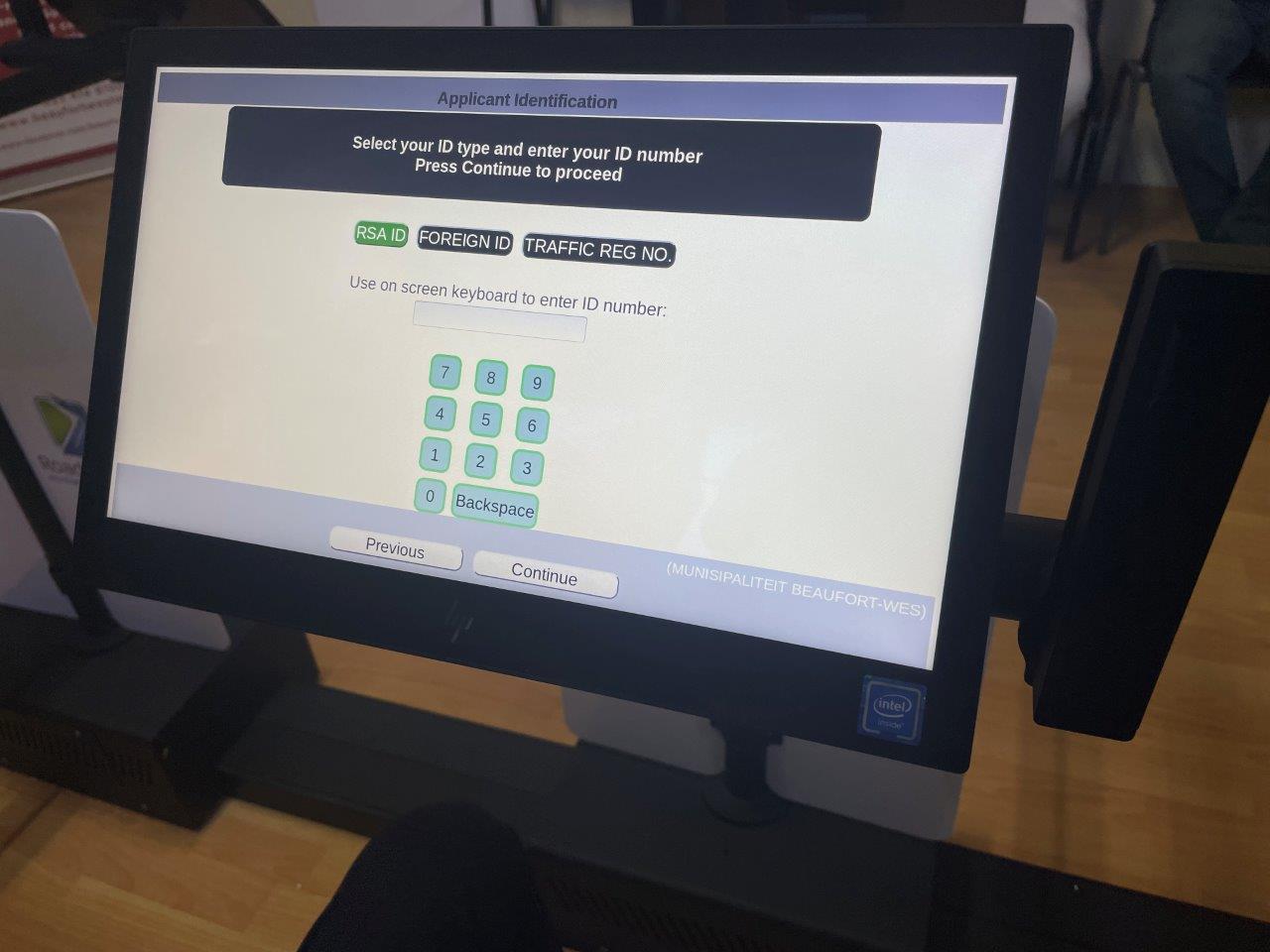
Western Cape mobility minister Isaac Sileku defended the new system, saying it was introduced to combat widespread fraud. He explained that the computerised platform uses fingerprint verification and randomly generates questions from a database of more than 1 200 questions, making it impossible for candidates to memorise answers or buy them from corrupt officials.
Poorly worded questions creating unfair barrier
The FF Plus has raised alarm that even people well-versed in traffic rules are struggling to pass because questions are confusing and difficult to understand. The party argues that the system has become an obstacle rather than a fair test of road safety knowledge.
Prof. Nomafrench Mbombo, DA spokesperson on mobility in the Western Cape, said whilst her party supports computerised testing to strengthen integrity and reduce fraud, a 17% pass rate raises important questions. She pointed out that a learner’s licence is the first step towards obtaining a driver’s licence, which opens doors to employment and enables people to access education and healthcare.
The oversight visits will investigate whether applicants are receiving sufficient preparation before writing the test, whether the format or wording of questions presents unforeseen challenges, and whether driving schools have been adequately equipped to prepare candidates for the new testing environment.
Youth unemployment crisis worsened
The failing system is hitting young people particularly hard at a time when South Africa already has one of the world’s highest youth unemployment rates. For many young job seekers, obtaining a driver’s licence is essential for accessing work opportunities, but the computerised test has now become a barrier to employment.
The FF Plus is calling on the Western Cape government to make practice tests available before the formal examination so candidates can familiarise themselves with the online system and question format. The party argues that this would promote fairness whilst maintaining exam integrity.
The findings from this week’s oversight visits will inform continued engagement between the DA and the provincial mobility department’s standing committee.
ALSO READ: New computerised learner’s licence testing system sees pass rates plummet to 17%