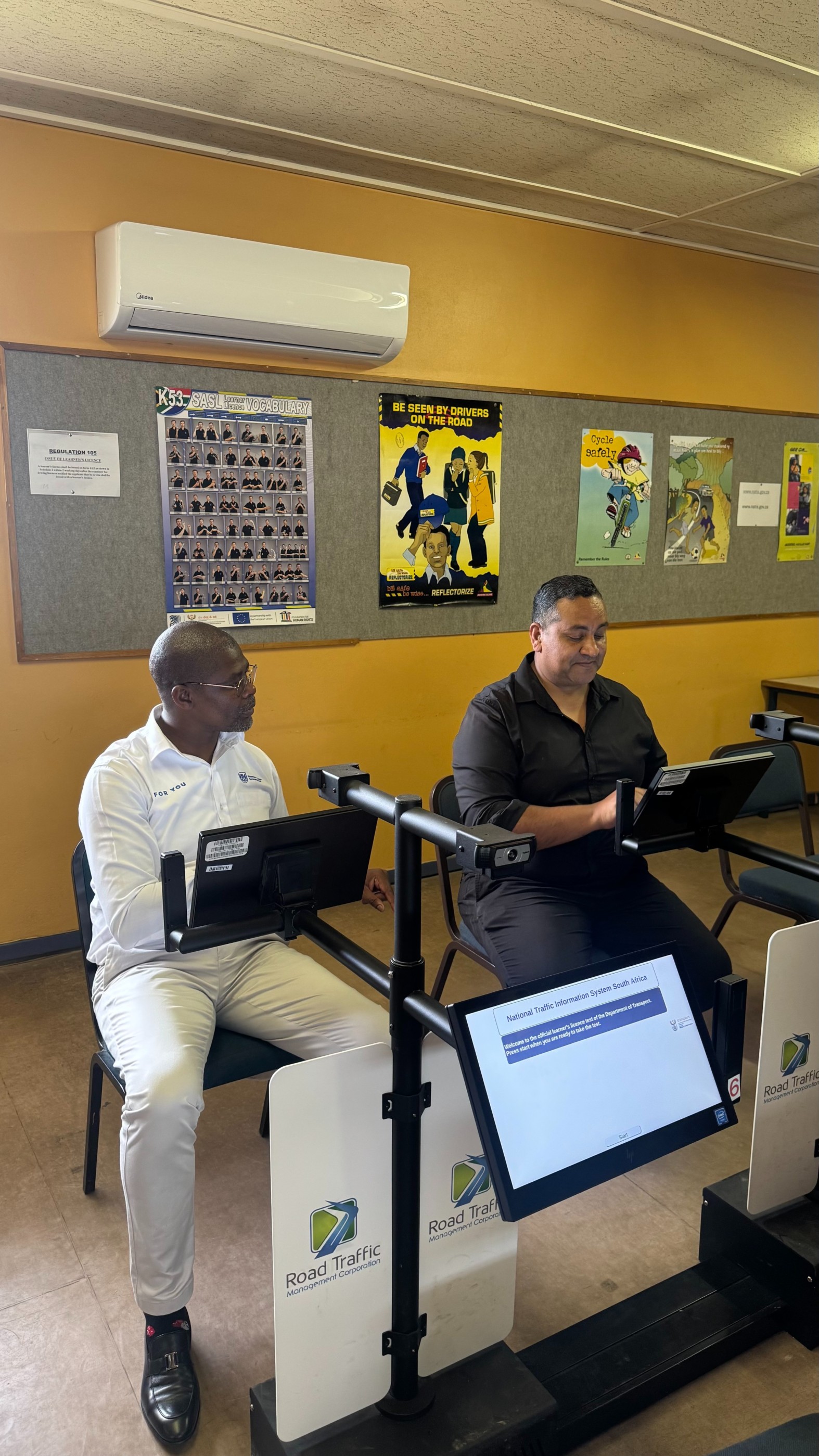
The introduction of the Western Cape’s new computerised learner’s licence testing system has seen pass rates plummet, with only 17% of applicants successfully obtaining their learner’s licences during the 2025-’26 financial year under the new system.
The figures, revealed in a parliamentary written reply, have prompted DA Western Cape spokesperson on Mobility, Prof Nomafrench Mbombo, to call for answers from the Provincial Mobility Department, saying applicants need greater support to adapt to the new testing process.
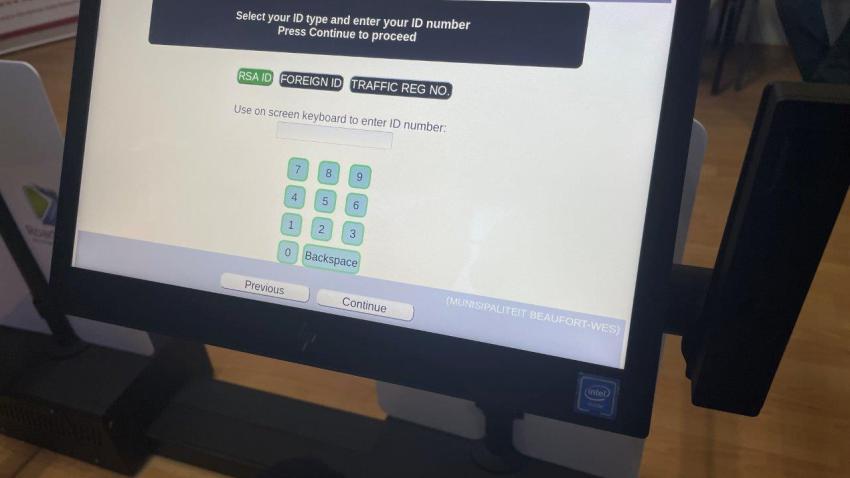
The Computerised Learner Licence Testing (CLLT) system was introduced on 26 May 2025 to strengthen the integrity of learner’s licence testing and reduce opportunities for fraud. It is currently operational at 66 Driving Licence Testing Centres (DLTCs), while the remaining four centres in Lutzville, Lamberts Bay, Uniondale and Murraysburg are expected to implement the system during the 2026-’27 financial year.
Although the province recorded an overall learner’s licence pass rate of 63% during the 2025-’26 financial year, this figure includes tests conducted under the previous manual system while the computerised platform was being rolled out. According to the Mobility Department the pass rate for applicants tested solely through the CLLT system was 17%.
The department has attributed the lower pass rate partly to the transition from a manual to a computerised testing platform. Unlike the previous system, the CLLT randomises both the questions and the answer options, requiring applicants to demonstrate a sound understanding of road rules and road signs instead of relying on memorised question sequences.
Mbombo described the results as worrying.
“A pass rate of 17% is deeply concerning. Obtaining a learner’s licence is the first step towards securing a driver’s licence, which enables many people to access employment, education, health-care and other essential services. While we support measures that strengthen the integrity of testing, applicants must also be adequately prepared for the new system.”
She said she would invite the Provincial Mobility Department to brief the Standing Committee on Mobility in the Western Cape Provincial Parliament on the reasons behind the low pass rate, the measures being introduced to improve applicants’ performance and possible partnerships with other spheres of government to better prepare aspiring drivers without compromising the integrity of the testing process.
To help applicants prepare the department has distributed learner driver manuals to public libraries and promoted the electronic learner manual available on the NaTIS platform through DLTCs and its communication channels.
Mbombo said while the DA supported reforms that improve road safety and curb fraud the transition to the new system should be accompanied by effective public education to ensure applicants are not unfairly disadvantaged.
ALSO READ: Computerised learner’s licence testing starts City-wide