
The leaders of Norway and Finland held a “frank and substantive” phone call with Vladimir Putin on Tuesday, marking the first conversation between pro-Ukrainian European leaders and the Russian president in more than a year.
The call happened as a local truce in the Russian-occupied city of Oleshky appeared to hold, hours after Russia fired missiles at a university campus and a major bridge in Kyiv.
Finland’s president Alexander Stubb and Norwegian Prime Minister Jonas Gahr Store defended their decision to speak with the Kremlin chief, saying in a joint statement that “ending the war requires direct discussions”.
“We stressed the importance of de-escalation,” Store said.
The call was the first direct exchange between Putin and Ukraine’s main European allies since French President Emmanuel Macron spoke with him in July 2025.
Putin used the opportunity to criticise the West, according to the Kremlin.
“Attention was drawn to the confrontational policy of the EU and NATO countries, which is leading to a protraction of hostilities,” the Kremlin said in a readout.
However, Moscow said the three had “agreed to continue maintaining direct contact by phone”.
Ukrainian President Volodymyr Zelensky, who spoke with the two Nordic leaders after their call with Putin, said on social media that they had “made it clear to the Russian leader that real de-escalatory steps are needed regarding our energy and infrastructure”.
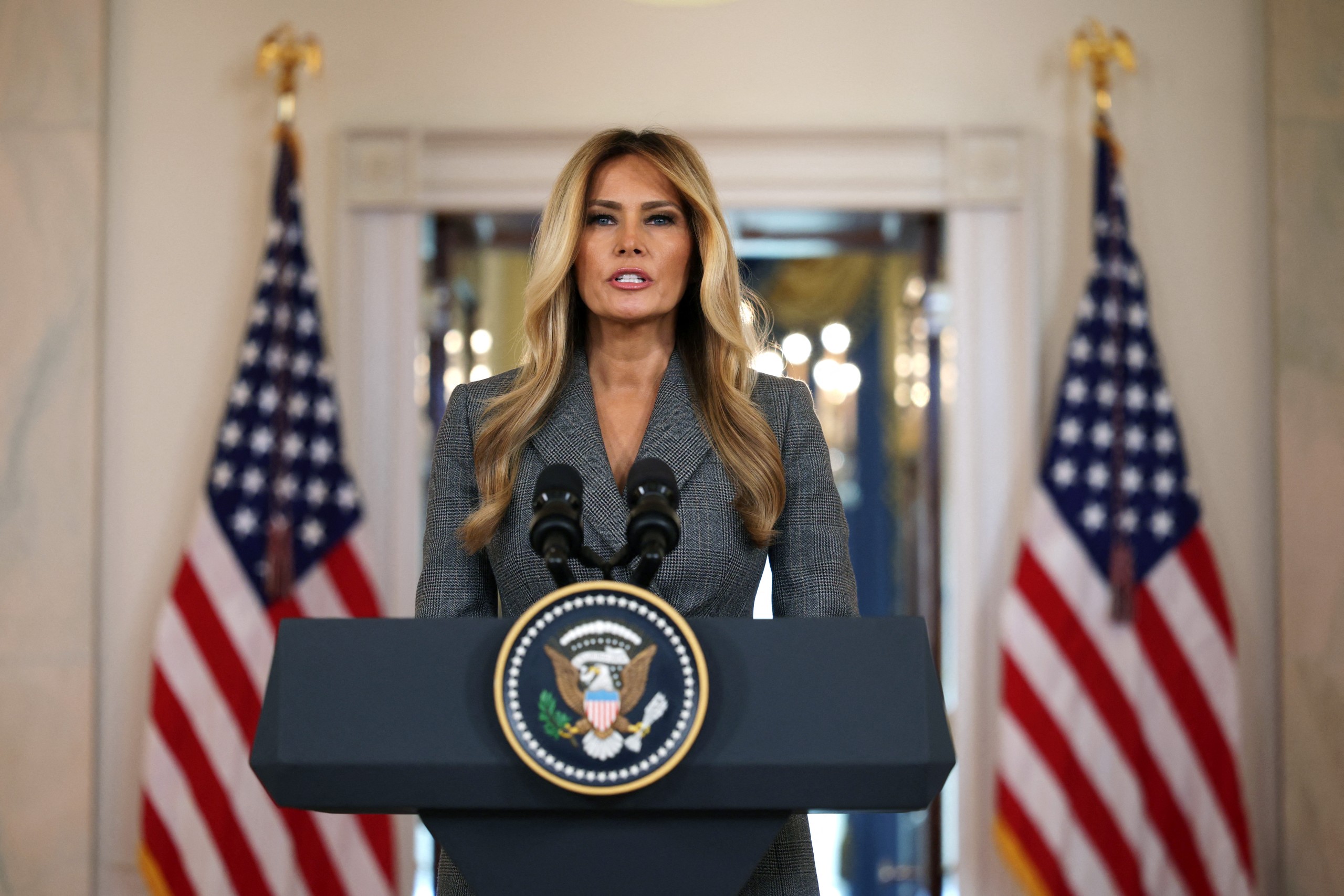
Melania Trump brokers Oleshky truce
The diplomatic talks came after both sides said a ceasefire in Oleshky, brokered by US First Lady Melania Trump, had begun at 3am local time and remained in effect through the morning.
Ukrainian negotiator David Arakhamia said it would last until 10.59pm on November 1, calling it the “biggest de-escalation since 2022”.
AFP could not immediately verify whether fighting had decreased.
The war-ravaged city in Ukraine’s southern Kherson region has been caught in the crossfire since 2022, when Russian forces seized it at the start of their invasion.
The population has dropped from about 24 000 to around 2 000 today.
A spokesman for Ukraine’s Marine Corps, Pavlo Drogal, told reporters that “the enemy is observing the ceasefire” as of 9am local time.
Kremlin spokesman Dmitry Peskov also said there had been no reports of violations.
Humanitarian crisis deepens
Former residents told AFP earlier this year that those remaining in the city were starving, lacked medicine and could not easily leave.
“They’ve forgotten what bread is,” Olga, who was in touch with two families still in Oleshky, said late last month.
Vladimir Saldo, a Moscow-installed official in Ukraine’s southern Kherson region, told Russian media that those wishing to evacuate could go to Russian-occupied Crimea or Rostov in southwestern Russia, but would need to wait until the heavily-mined road from the city had been cleared.
The Ukrainian military has released drone footage of the town showing rows of empty apartment blocks, some charred by fire or partially destroyed by fighting.
Russia continues strikes elsewhere
Despite the Oleshky ceasefire, Russia continued to attack other parts of Ukraine with air strikes.
Ballistic missiles struck a university campus in Kyiv on Monday evening.
Another overnight strike hit the capital’s Southern Bridge, a major road and rail artery crossing the Dnipro river.
Images posted on social media showed a gaping hole between subway tracks and twisted metal.
In Russia, two people were killed “as a result of explosive devices being dropped” on the western city of Bryansk, the regional governor said.
Hundreds of thousands of soldiers and civilians have been killed and millions forced to flee their homes since Russia invaded Ukraine in February 2022. The conflict has become Europe’s deadliest since World War II.
US-mediated talks between Russia and Ukraine are set to resume in November, having been frozen since the United States and Israel launched joint strikes on Iran in February.
ALSO READ: Melania Trump claims ceasefire deal for besieged Ukrainian city