

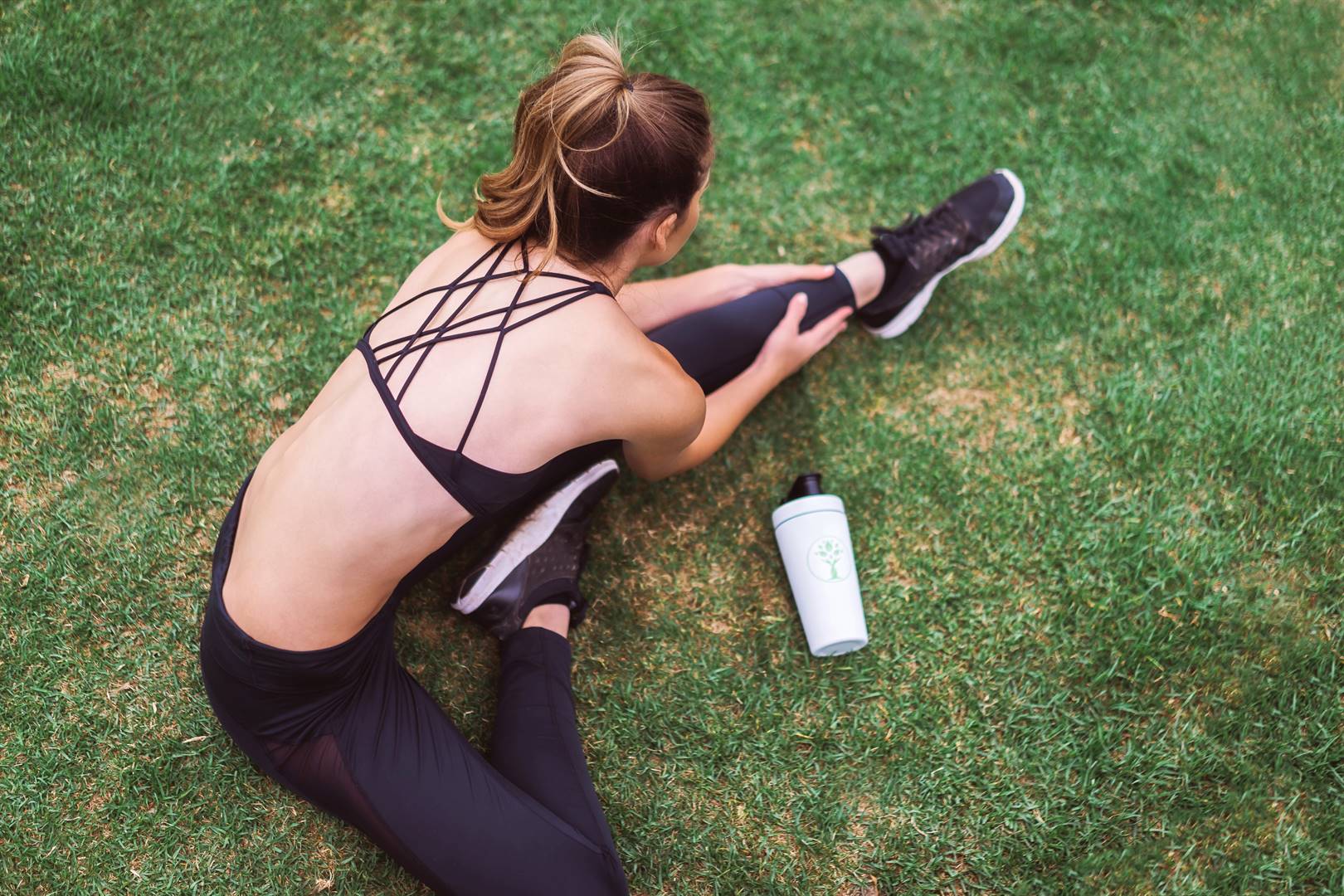
When playing sport, exercising, or gardening as part of an active healthy routine, minor muscle strain and stiffness are common.
“If you have physically pushed yourself harder than usual, or overexerted your muscles, it is likely you could experience muscle stiffness or delayed onset muscle soreness for a few days afterwards,” says pharmacist Shriya Daya of Medipost Pharmacy.
“There are several home medicine kit essentials that can help ease the discomfort of sports injuries without the need for a doctor’s prescription. There are also basic non-pharmaceutical tips that can help reduce swelling and inflammation, which can be remembered with the acronym ‘RICE’,” she says.
R for Rest: Take a break from physical activities that could put further strain on the area.
I for ice therapy: Place an ice pack on the area for 10 to 15 minutes at a time.
C for compression: Bandage a swollen ankle but not too tightly, as this could cut off blood circulation.
E for elevation: Try to keep the affected limb propped up as this helps to reduce swelling. If your ankle is sprained, try not to put your weight on it for a few days.
“From a pharmacy perspective, one of the safest home care medicines to relieve pain from mild sports injuries or muscle stiffness is by using a combination of a muscle relaxant and an anti-inflammatory,” she says.
“As with all self-care medicines, prolonged use for more than ten days without consulting your doctor to investigate the underlying cause is discouraged. Other healthcare professionals, such as physiotherapists, can also be helpful in treating both muscle strains and other sports injuries, while proactively preventing future injury.”
Other preventative tips include:
- Allow at least four to six weeks for a sports injury to heal before recommencing training.
- Be sure to stretch daily to prevent muscle strain, and allow for warming up and cooling down before and after every exercise session.
- Staying hydrated is important for keeping your muscles functioning well in all physical activities. If you gym regularly, do not train the same muscle groups every time. Rather, rotate leg days, arm days, and other types of exercise as part of a regular routine.
- Eat a varied diet with sufficient protein and foods containing magnesium, such as green leafy vegetables and beans, and potassium, such as bananas.
“Exercise is one of the best natural stress relievers and is so important to our overall health and wellbeing. Take the time out when you need a little rest and recuperation, and you will soon feel stronger for it when you are ready to get back to your training or exercise routine,” Daya concludes.