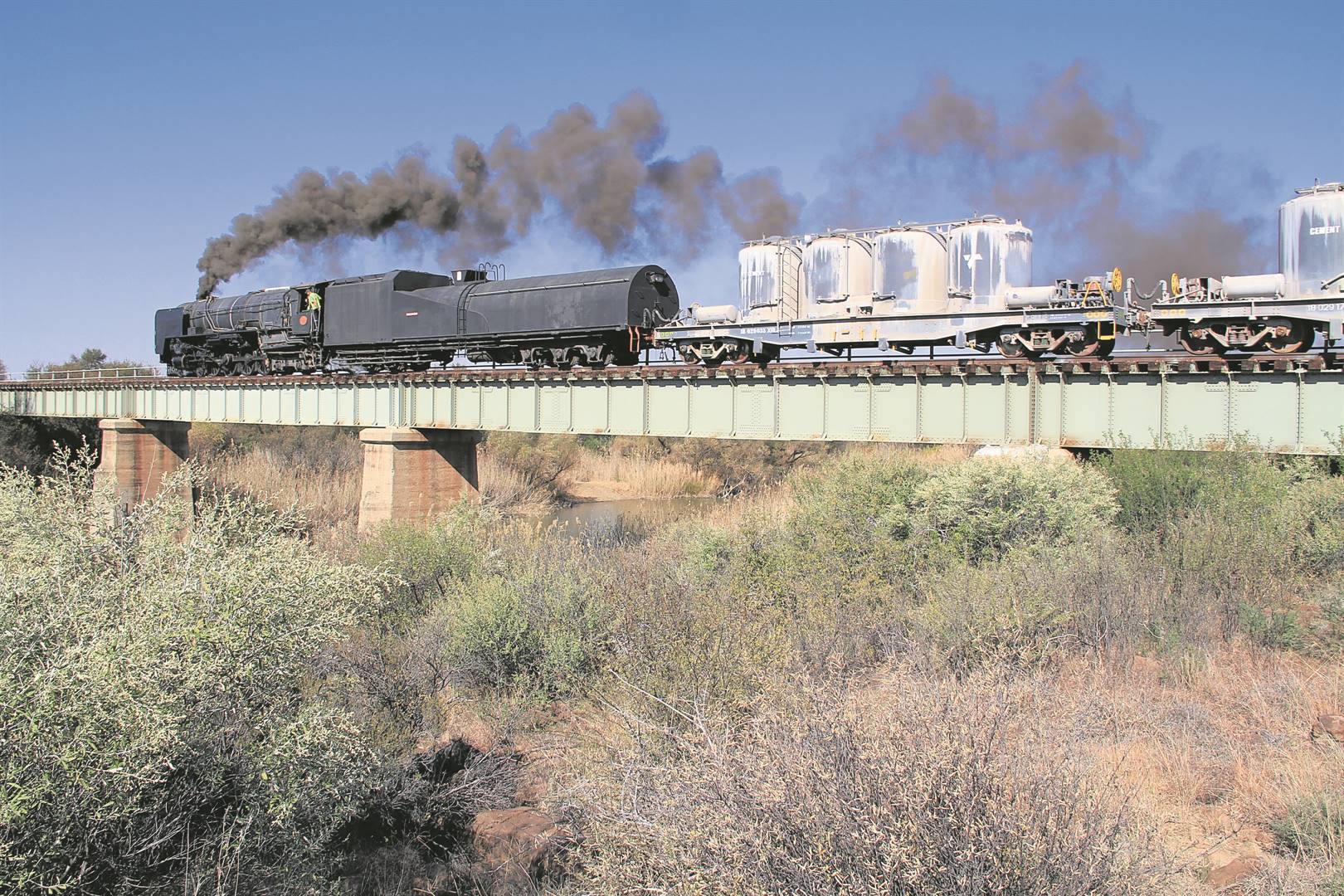

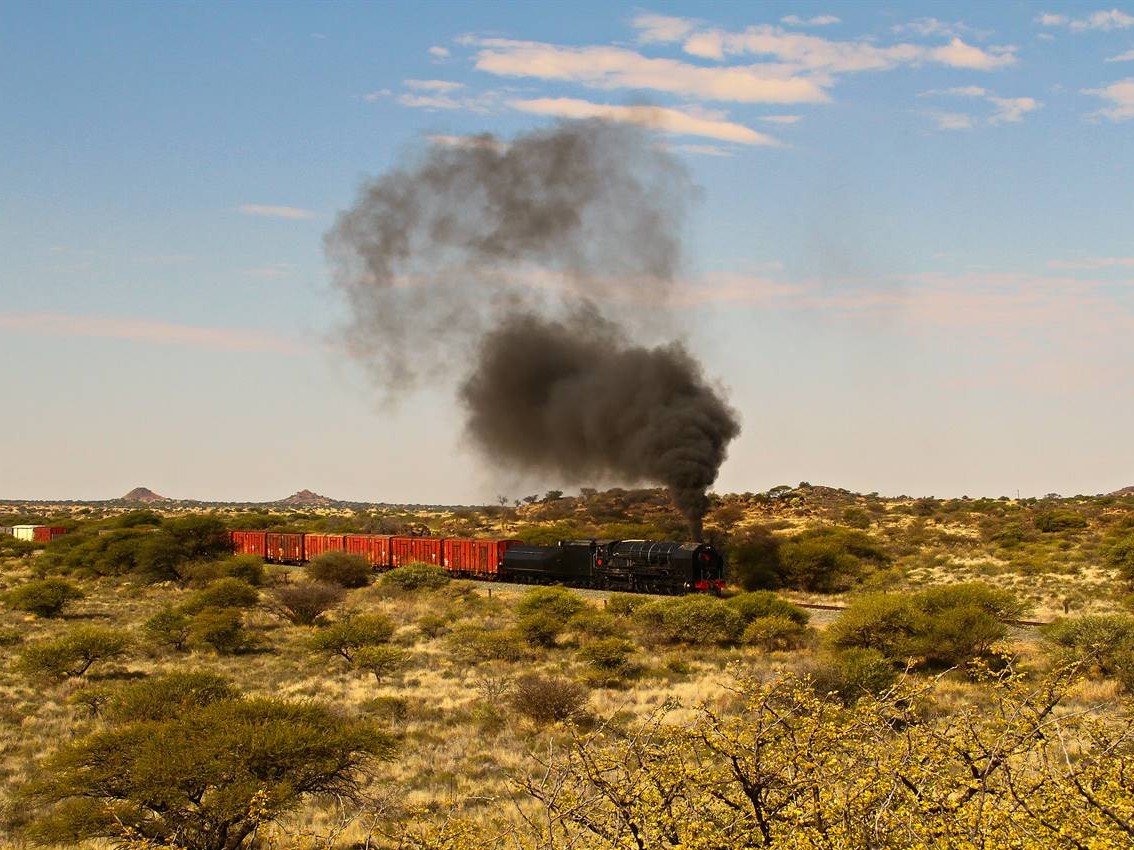
It was an emotional moment for former steam locomotive drivers and stokers to again hear the familiar whistle and heart-warming sounds of a puffing steam locomotive along two railway tracks in the Northern Cape and Free State last week.
For this was the first time in 35 years that the 3437-steam engine was thundering along, let alone in this part of South Africa.
It has also been 26 years since Steamnet 2000 last operated a train, and 30 years since Transnet operated a steam locomotive in Kimberley or South Africa.
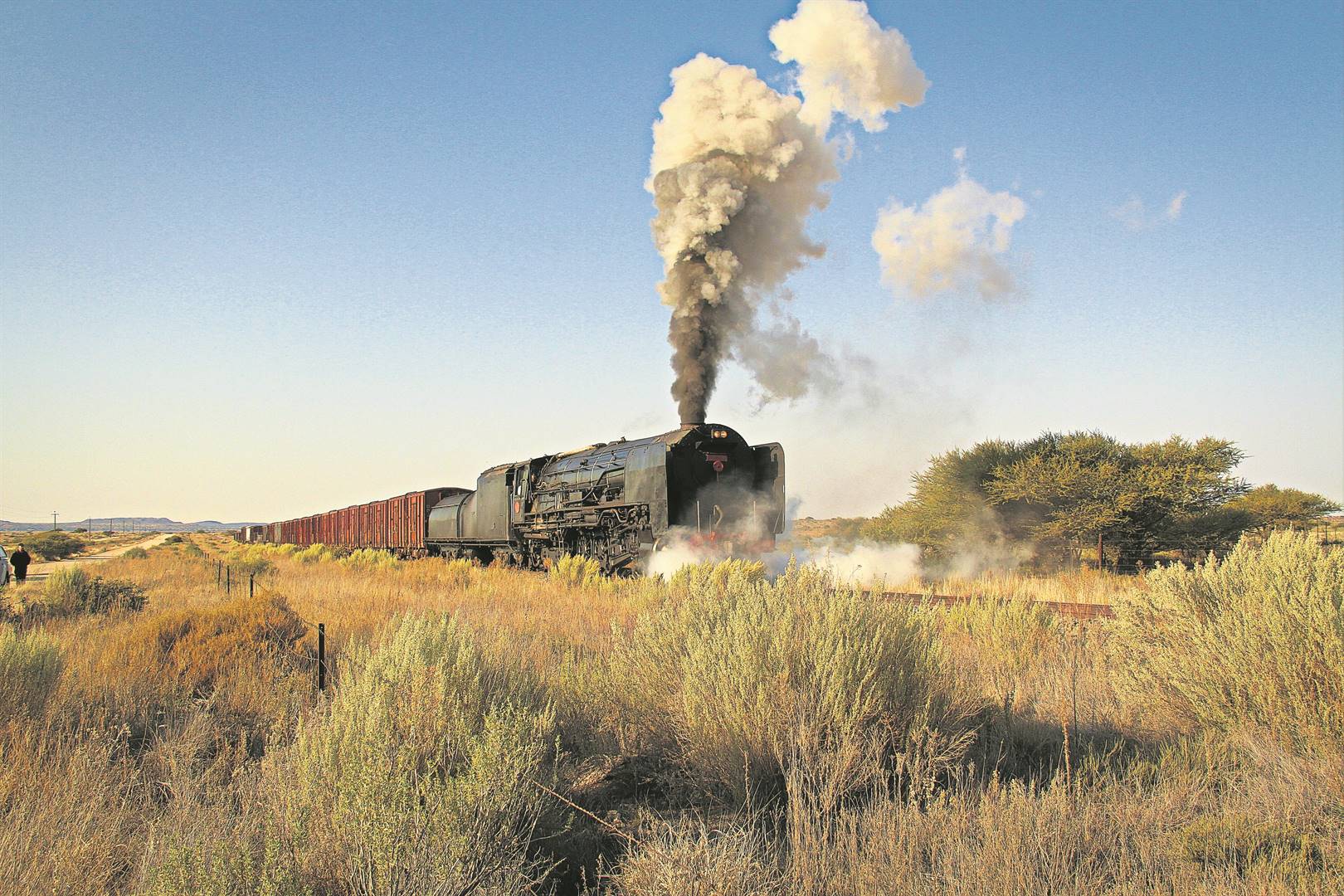
Some motorists did a doubletake, not believing their eyes, whilst a group of 80 foreign steam locomotive photographers could not stop capturing different vast Karoo landscapes with the locomotive billowing smoke and steam from its chimney, pulling freight wagons.
These were poignant moments for Peter Odell, director of the non-governmental organisation (NGO) Steamnet 2000, who, along with other volunteers, put passion, time, and experience in restoring two 25 NC-class locomotives in the Beaconsfield yard over the past three decades.
They relied on donations to restore the locomotives, though only one was used last week.
“There are also many opportunities in the local tourist scene, especially for day trips out of Kimberley.
“Interestingly enough, the best passenger express steam locomotive in Germany also operated its first trip last month since 1977, after ten years of restoration.”
The tour, in partnership with Transnet, was organised by Bernd Seiler from FarRail Tours who had a waiting list for enthusiasts who wanted to photograph steam locomotives on African landscapes.
The group members came from four continents, mostly from Germany and some from Australia, all avid steam locomotive photographers and videographers.
These runs were between Belmont and Broadwaters near Douglas, and between Kimberley and Bloemfontein days later.
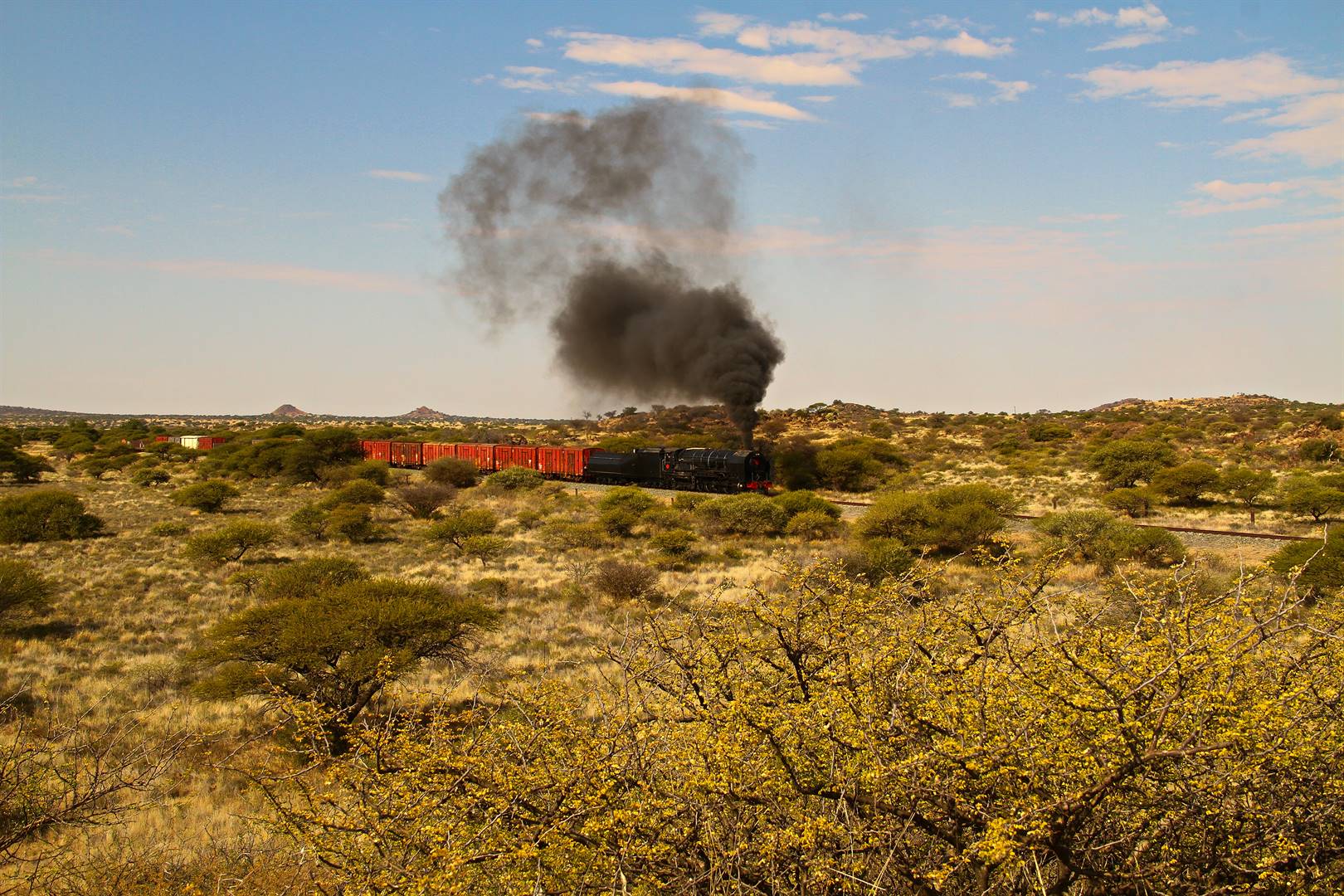
Steamnet 2000 volunteers and crew members ensured the locomotives were steamed up.
Odell says Transnet on a provincial and national level “bent over backwards to accommodate the locomotive and pull it with their diesel locomotives on electrified lines where the steam locomotive is not allowed to operate.”
Despite some technical problems, the organisers ensured the photographers took pictures at preferred spots such as hilltops and across railway bridges, preferably at sunrise or sunset, to capture a glowing glint on the engine.
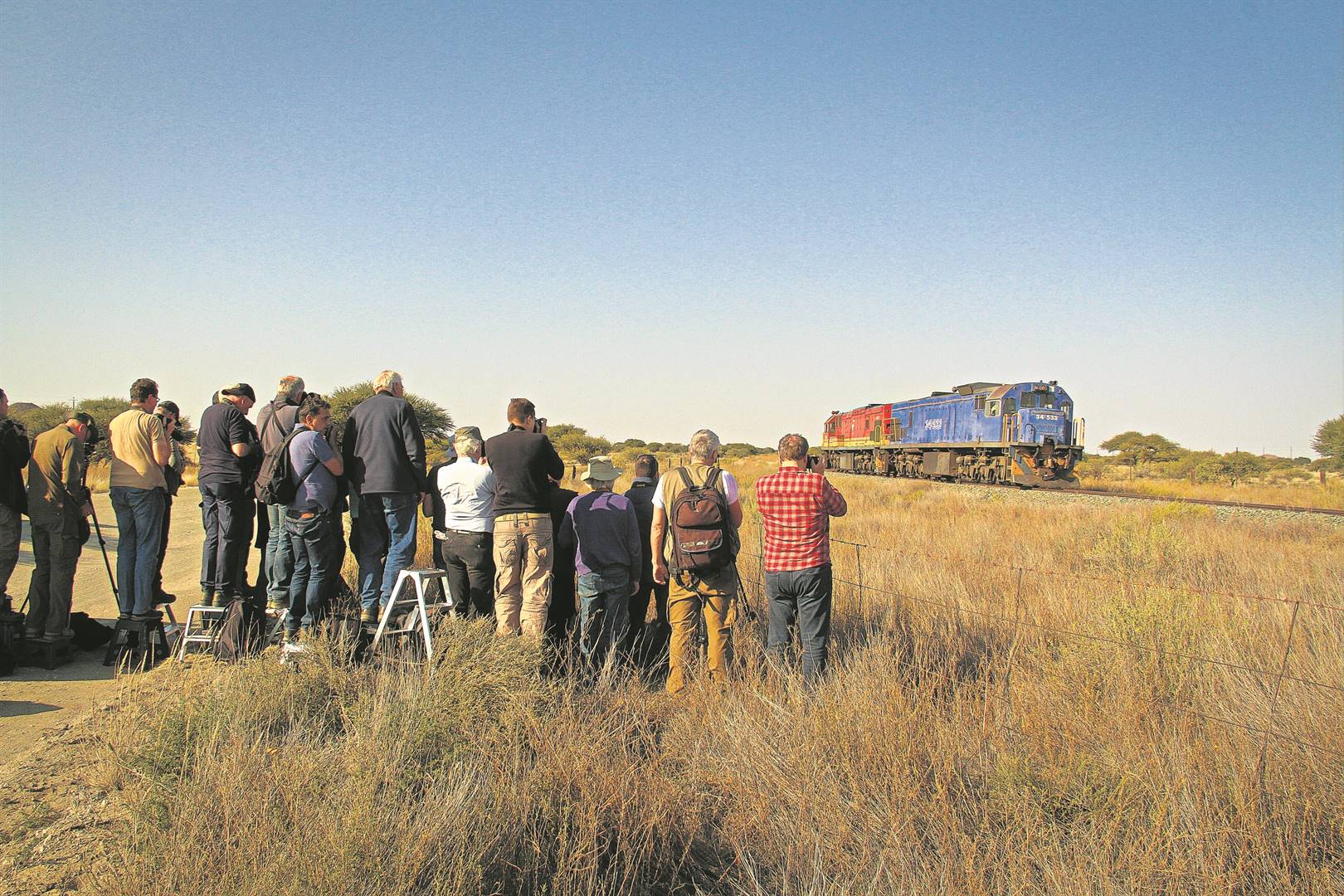
The wagons were like ones used when steam locomotives still hauled freight and passenger trains.
“The photographers wanted to recreate the past. They would certainly come on another tour, and hopefully both locomotives will be used.”
Odell says the tour along two railway tracks in the Northern Cape and Free State last week, which required the crew to work tirelessly, was fulfilling.
“Besides the restoration we did the past months and years, we worked three weeks straight for the photographic tour. It involved administration, technical checks and tests, and operational and logistical challenges.
”The heavy 25 NC-class locomotives are considered historic work horses, and were specifically designed to haul heavy loads.
“If there is a niche for day trips for local tourists, we would need to restore a smaller locomotive to haul lighter passenger carriages.
“We would then buy more passenger coaches and restore it.”
“Most importantly, we need volunteers who are prepared to do paperwork, administration, and negotiate with the authorities to establish regular steam train trips.”
- Those interested in donating money, or other steam locomotive enthusiasts who have the necessary skill and time to help with restorations, can contact Odell on WhatsApp on 082-856-2277.