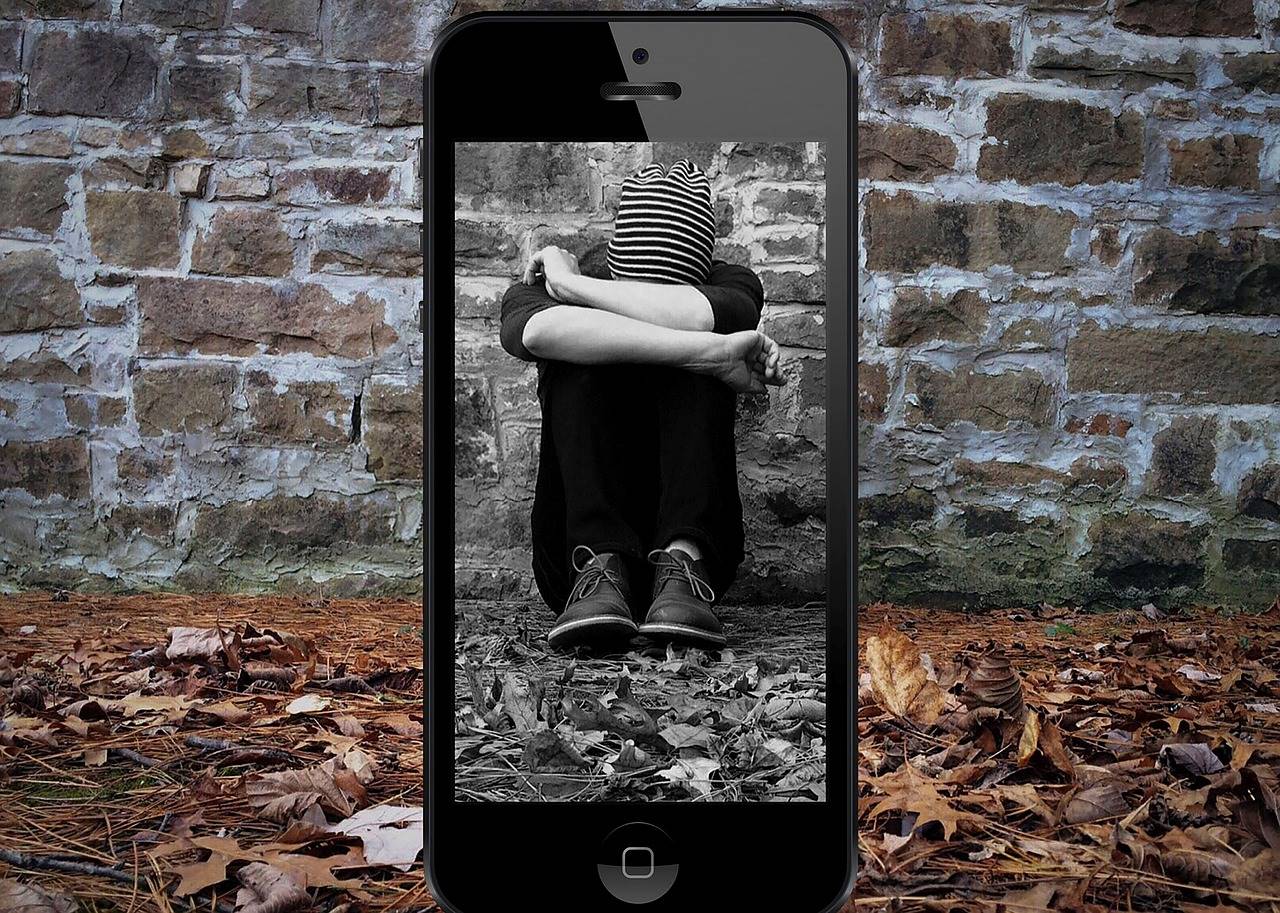

Victims of bullying or cyberbullying can experience significant social isolation and feel unsafe.
It can lead to emotional and physical harm, loss of self-esteem, feelings of shame and anxiety, concentration and learning difficulties. In some instances, young people commit suicide.
Young people therefore need to realise that, depending on the nature of the acts, cyberbullying and bullying are criminal offences and the perpetrator may be criminally charged with crimen injuria, assault and/or criminal defamation, accompanied by a criminal record, the South African Police Service (SAPS) in the Northern Cape advise.
Tips for children or teens dealing with cyberbullying
- Do not respond if someone bullies you. Remember that your reaction is usually exactly what the bully wants. It gives him or her power over you.
- Do not retaliate. Responding with similar threats reinforces the bully’s behaviour, and creates a whole cycle of aggression.
- Save the evidence. Online messages can usually be captured, saved, and shown to someone who can help. Save evidence even if it is minor as cyberbullying can escalate.
- Block the bully. Use preferences or privacy tools to block the person. If it happens while you are chatting, leave the room or area.
- Report any abusive comments to the social media website administrators.
- Reach out for help, talk to a friend or a trusted adult who can help.
The police request that the following safety hints for the prevention of cyberbullying and bullying in schools be adhered to:
Tips for parents, teachers to stop cyberbullying
- Spot the warning signs of cyberbullying.
- Check if your child becomes sad, angry, or distressed during or after using the internet or a cellular phone.
- Note if your child appears anxious when receiving a text, email, or have been on social media websites.
- Take note if your child avoids discussions or is secretive about computer or cellular phone activities.
- Check if your child withdraws from family, friends, and activities they previously enjoyed.
- Note if your child refuses to go to school or to specific classes, or avoids group activities.
- See if your child illustrates changes in mood, behaviour, sleep, appetite, or shows signs of depression or anxiety.
Prevent cyberbullying before it starts
- Block communication with cyberbullies.
- Do not post or share personal information online, including full name(s), address(es), telephone number(s), the school’s name, parents’ names, credit card number(s), or friends’ personal information.
- Do not share your internet passwords with anyone.
- Do not talk about or share information about your life online.
- Do not put anything online that you would not want your classmates to see.
- Do not send messages when you are angry or upset.
- Always be as polite online as you are in person.
Sgt Timothy Sam, police spokesperson in the Northern Cape, says the police will continue with campaigns and programmes at schools and communities to address bullying and cyberbullying to promote safer schools.