
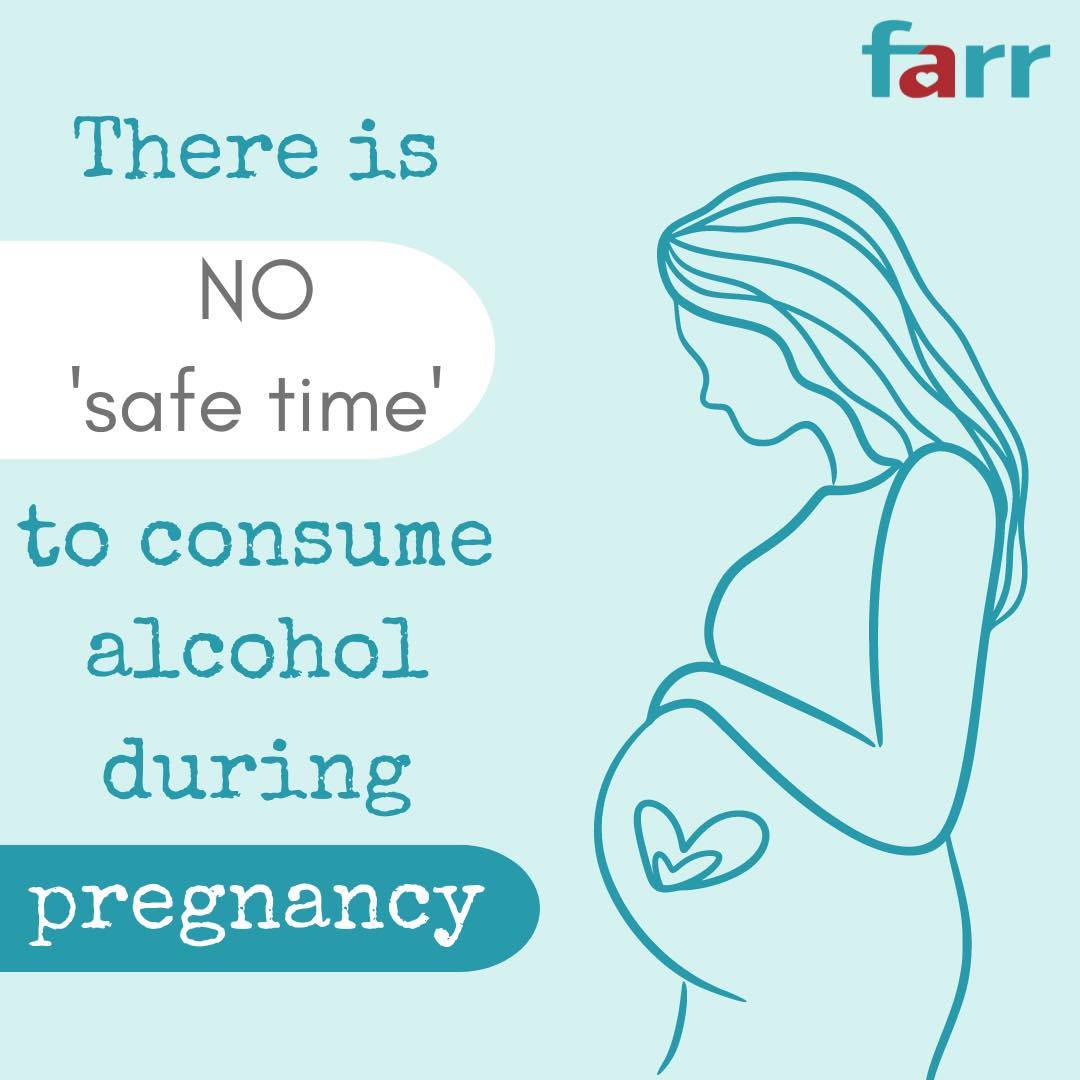
A condition alarmingly prevalent in South Africa – the country where the highest rate globally is recorded – is 100% preventable.
Fetal Alcohol Spectrum Disorders (FASD) is a range of serious disorders that result from prenatal alcohol exposure and impacts thousands of individuals across the country.
September marks FASD Awareness Month, and amongst other things it highlights the importance of a healthy, alcohol-free pregnancy.
“We are calling on all South Africans to join us in our efforts to prevent FASD – to learn what it is, and share this vital information with peers and community, supporting affected communities, and advocating for responsible behaviour,” says Mokebe Thulo, chief executive officer (CEO) of Aware.org.
Thulo emphasised that FASD is 100% preventable, yet it continues to affect thousands every year.
Dr Leana Olivier, CEO of Farr, says FASD is not only a medical issue; it is a community-wide concern that requires a collaborative approach.
“This FASD Awareness Month we urge everyone to spread the word about the dangers of alcohol use during pregnancy and to support efforts to eliminate FASD,” Olivier says.
More on FASD
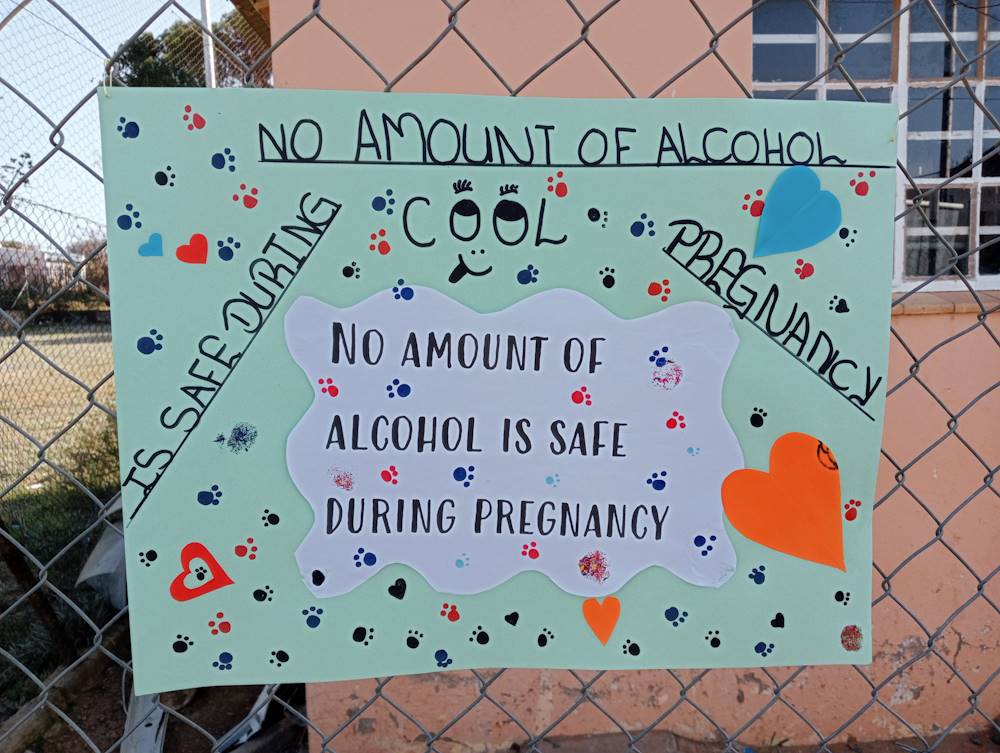
- Any type of alcohol, at any time during pregnancy, can harm your baby.
- Encourage women to stop using alcohol if they are planning a pregnancy.
- Encourage women to use contraceptives if they are drinking alcohol.
- Refer women to a professional service provider if they need help to stop drinking.
- Help women to find alternatives to drinking alcohol.
Signs and symptoms
A person with an FASD might have:
- behavioural issues;
- hyperactive behaviour;
- difficulty with attention;
- poor reasoning and judgement skills;
- learning challenges;
- poor memory;
- learning disabilities;
- speech and language delays;
- intellectual disability or low IQ;
- difficulty in school;
- physical problems;
- low body weight;
- poor coordination;
- problems with the heart, kidneys or bones;
- shorter-than-average height;
- vision or hearing problems;
- small head size;
- sleep and sucking problems as a baby; and
- abnormal facial features, such as a smooth ridge between the nose and upper lip.
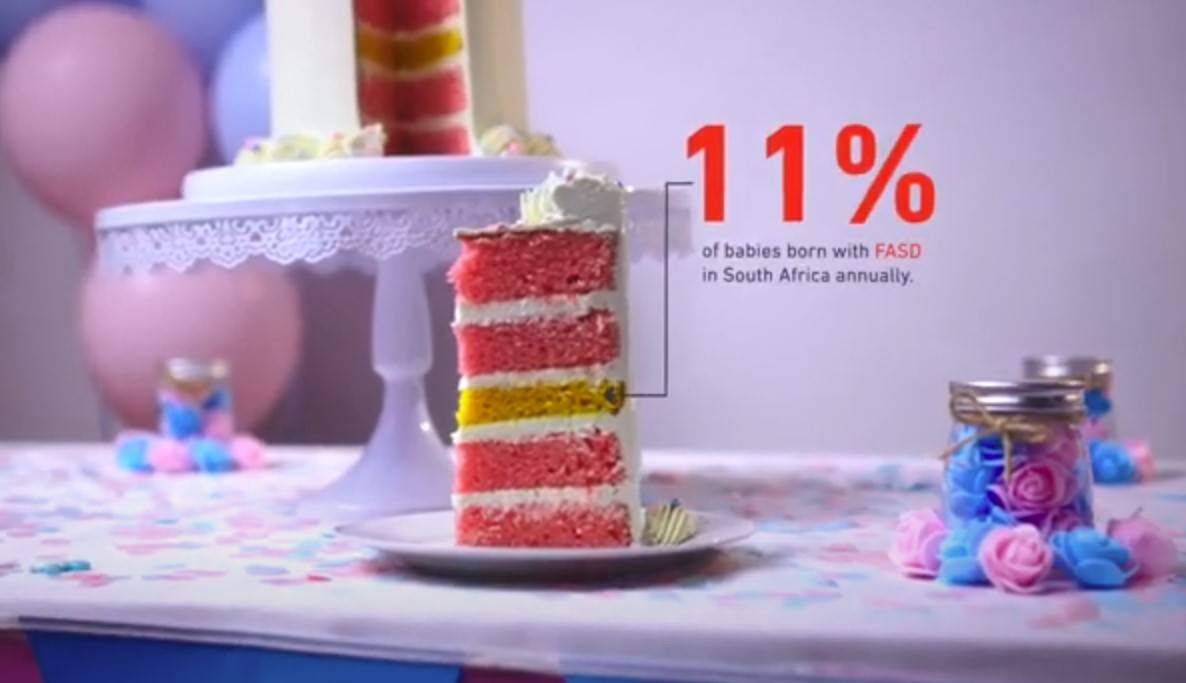
As part of its efforts to raise awareness, Aware.org and the Foundation for Alcohol Related Research (Farr) are launching a campaign titled “Reveal the Truth”.
With gender reveal parties having become a popular way for expecting parents to share their excitement, the campaign leverages this trend to emphasise the importance of an alcohol-free pregnancy.
In a case of the campaign being supported, hand-baked gender reveal cakes, when cut, show not only the traditional baby blue or baby pink, but also contains a mustard-coloured layer to convey the message that currently 11% of South African births involve FASD.
The initiative has involved baker Laura Gelant, who runs the Sweet Lion Heart baking enterprise. Gelant engages daily with her community and has contributed to bringing this campaign to life, providing a unique perspective on the initiative’s impact on the ground.
This initiative hopes to provide expecting parents with an opportunity to reflect on their choices in regards to alcohol.
Where to get help
Farr WhatsApp helpline: 087-163-2025
Also visit farrsa.org.za or Aware.org.za, or FARR on Facebook.