
Cholera has claimed more lives than what has been officially confirmed.
This is according to a water quality specialist who has visited every municipal sewage treatment plant along the Orange and lower Vaal River, and who has taken and analysed water samples for the past five years.
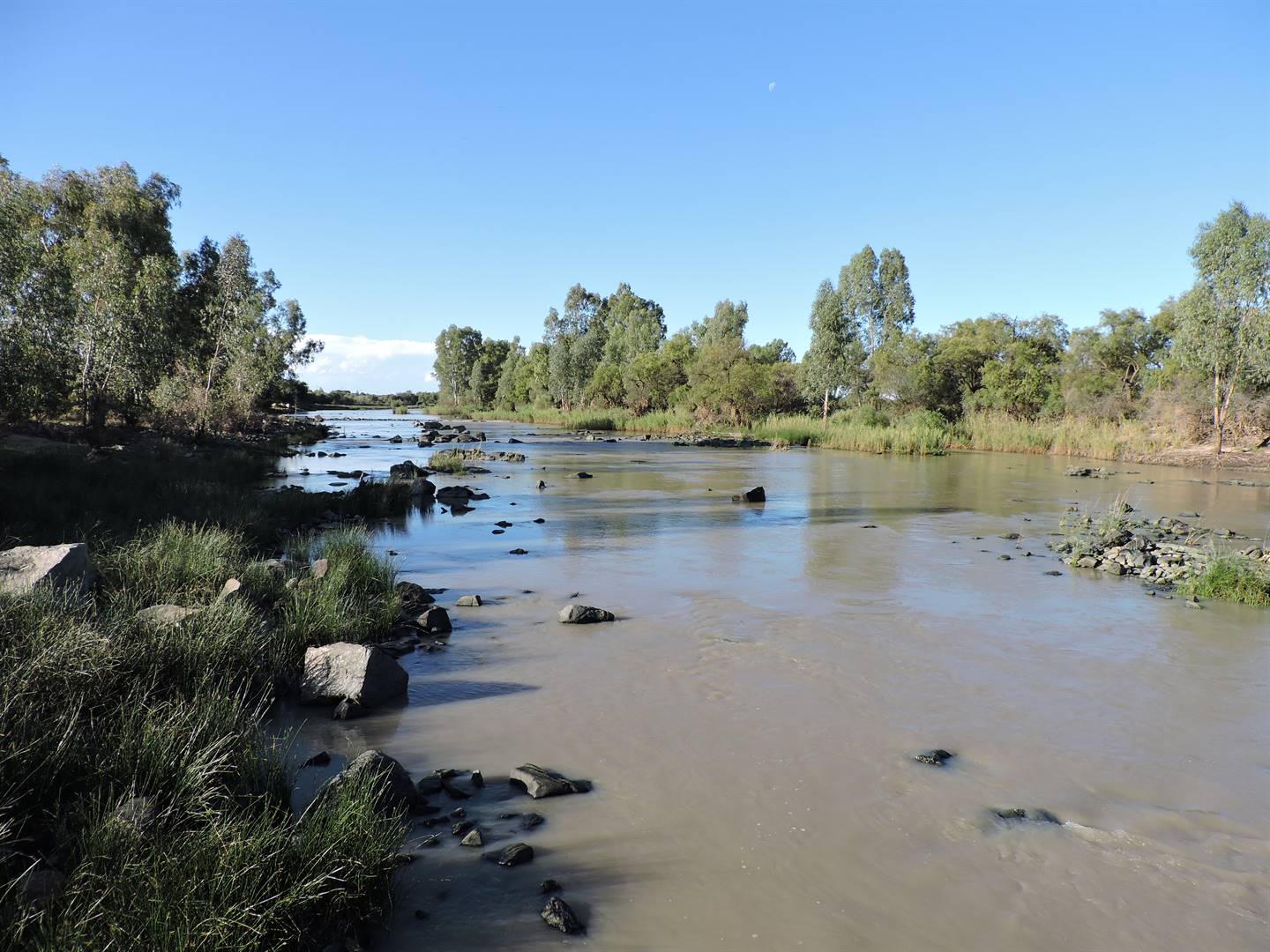
The national Department of Health confirmed on Friday, 9 June, that in recent weeks there have been 32 deaths to cholera in Gauteng, the Free State, and North West. The first cases were reported in Hammanskraal.
Fritz Bekker, a water quality specialist who monitors chemical, bacterial, and biological water quality in the rivers in question on behalf of the non-governmental organisation Gariep Watch, believes the situation is much worse than the department realises.
Cholera travels fast and far down rivers.
Over time, Bekker filed criminal cases about poor sewage plant management against the municipal managers of Vanderkloof, Hopetown, Upington, Kakamas, and Vredesvallei along the Orange River, and Bloemhof, Christiana, Warrenton, Hartswater, Jan Kempdorp and Barkly West next to the Vaal River. According to him, water treatment plants, many of which extract water from rivers and purify it for drinking, are often poorly managed.
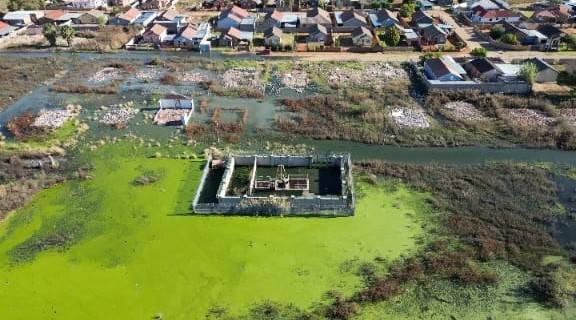
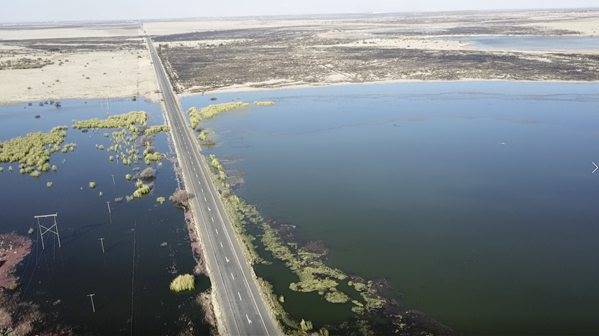
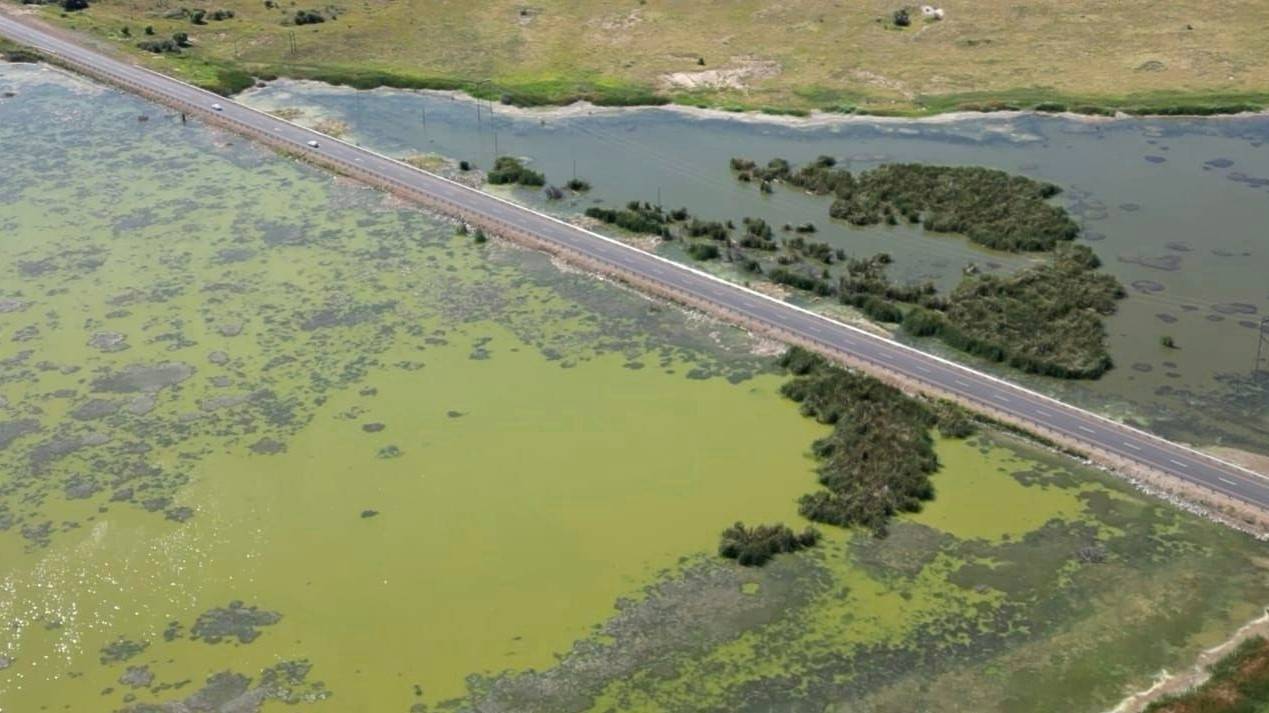
Shocked that officials are surprised
Bekker is shocked that officials are surprised by the cholera cases.
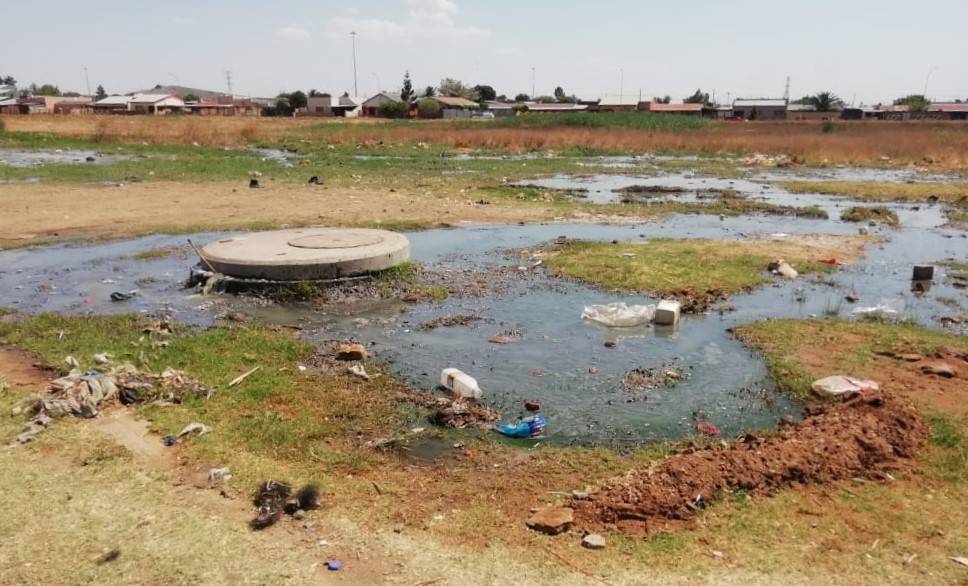
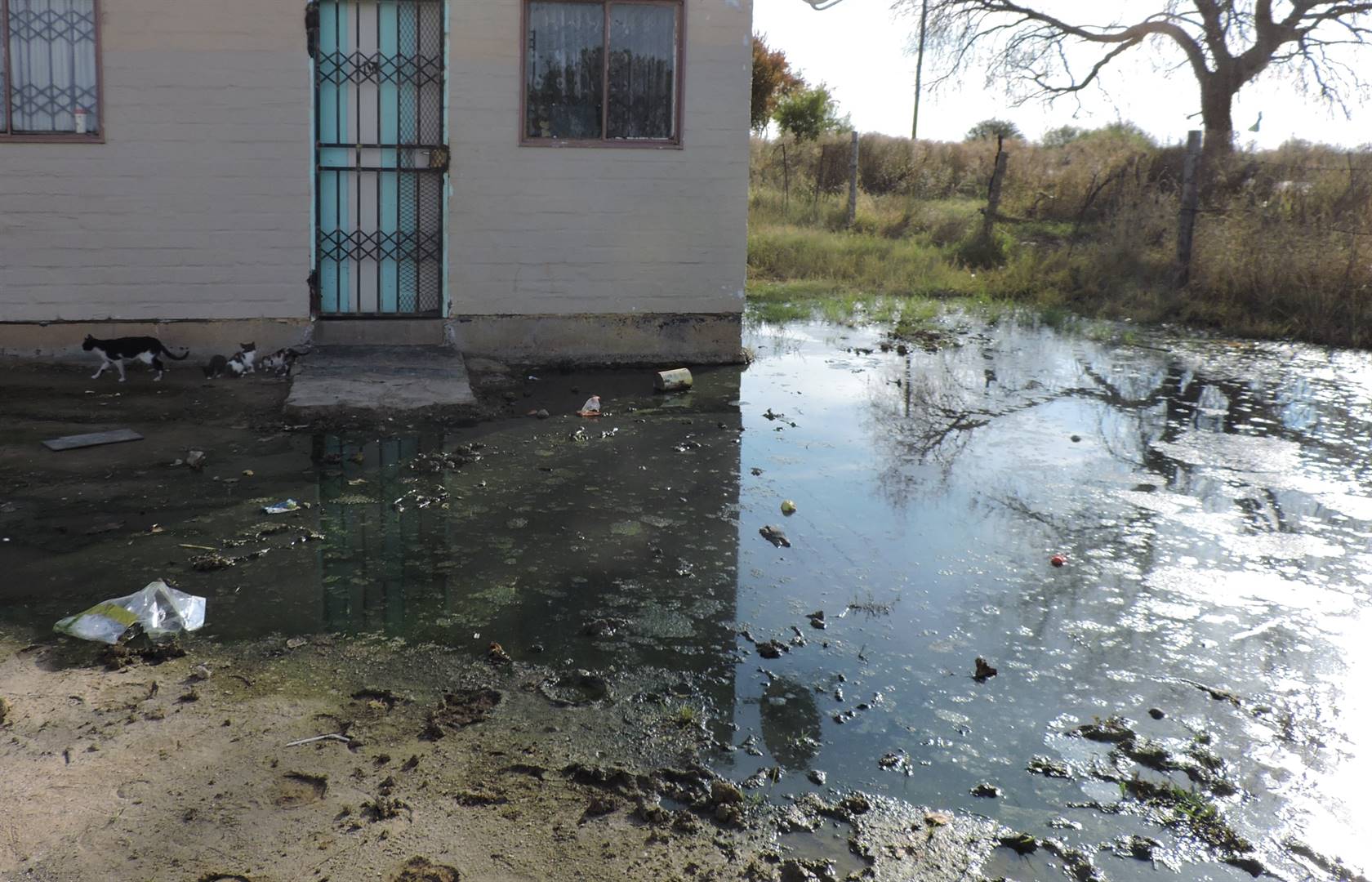
“Everyone has been aware of the raw sewage discharges from local authorities, who are the biggest water polluters in South Africa.
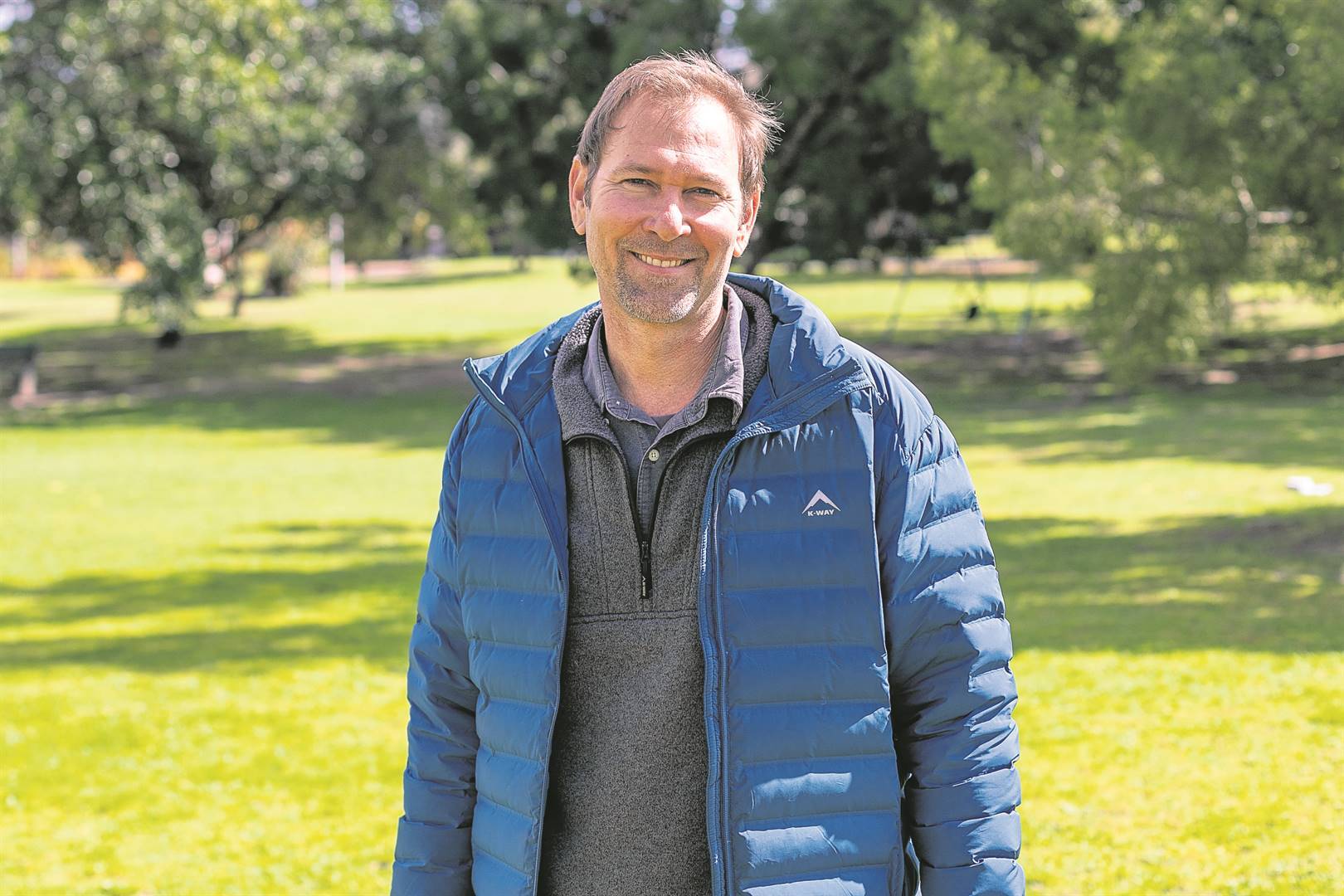
“Both Gariep Watch and University of Stellenbosch are busy with risk analyses upstream and downstream of various sewage works which can be used to collect forensic quality evidence to prosecute the municipal managers with.
“Because of my research over numerous years, I am 100% sure that many more people have died of cholera and other waterborne diseases in recent years. The deceased and patients were just not tested for the diseases to confirm a diagnosis. The incidents were probably just attributed to diarrhoea or some other seasonal stomach bug.”
Because of his research, Bekker was able to make certain findings, such as that the E.coli content in polluted water correlates with the number of hospital admissions due to diarrhoea in the areas concerned.
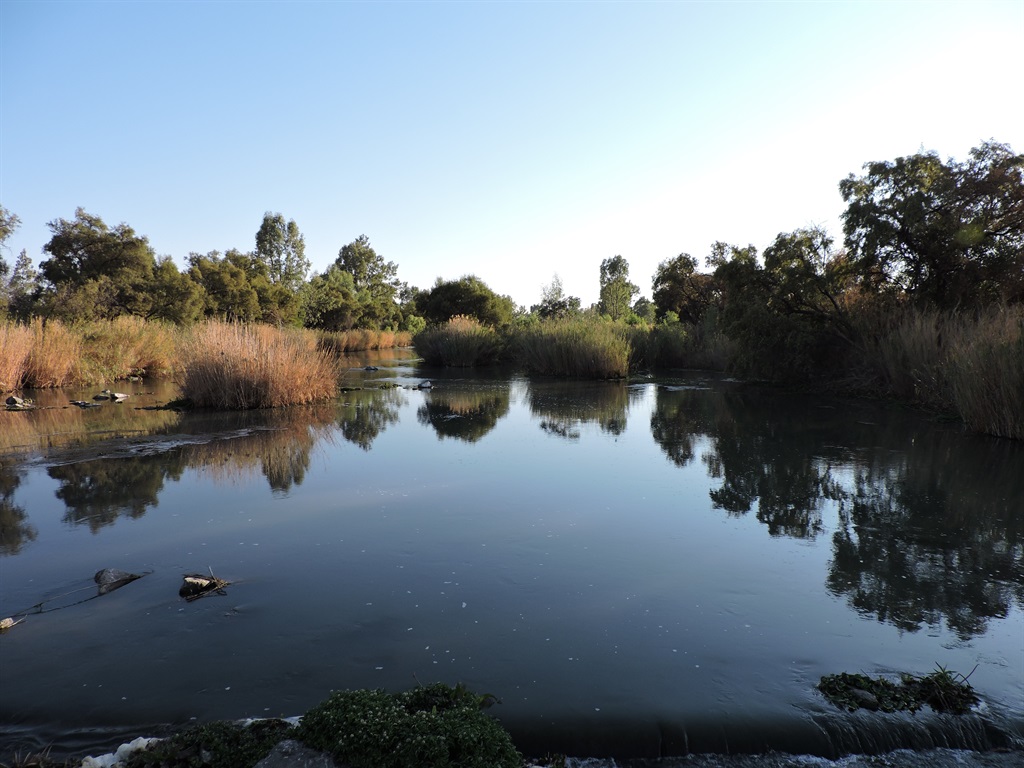
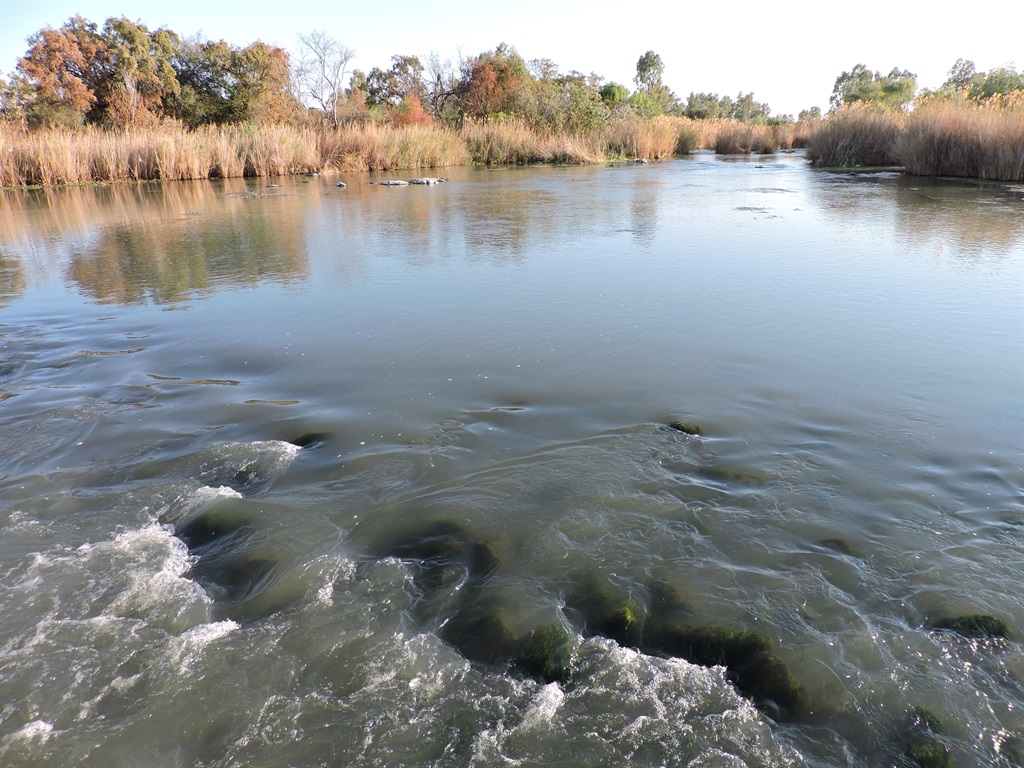
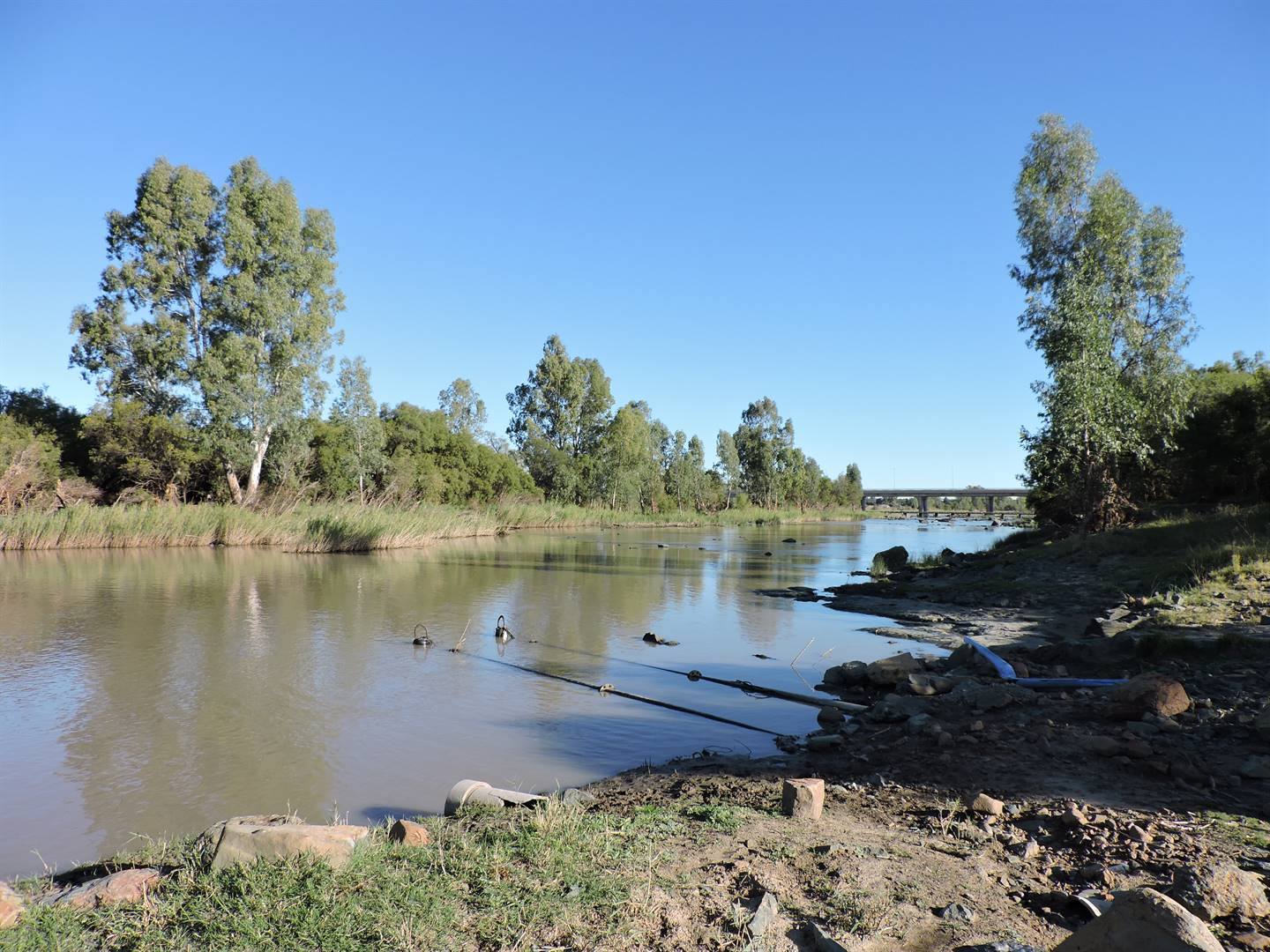
In and around Upington it is common for farm workers and others to use water directly from the canals and rivers. His tests of the river water from which Upington’s drinking water is derived, have shown glaringly high levels of E.coli since 2017.
“You can even catch the disease if you swim in the river water or practise water sports and get a splash of water in your mouth. Fruits and vegetables retaining their skins and eaten raw can also contain human waste, of which the E.coli count is an indicator.
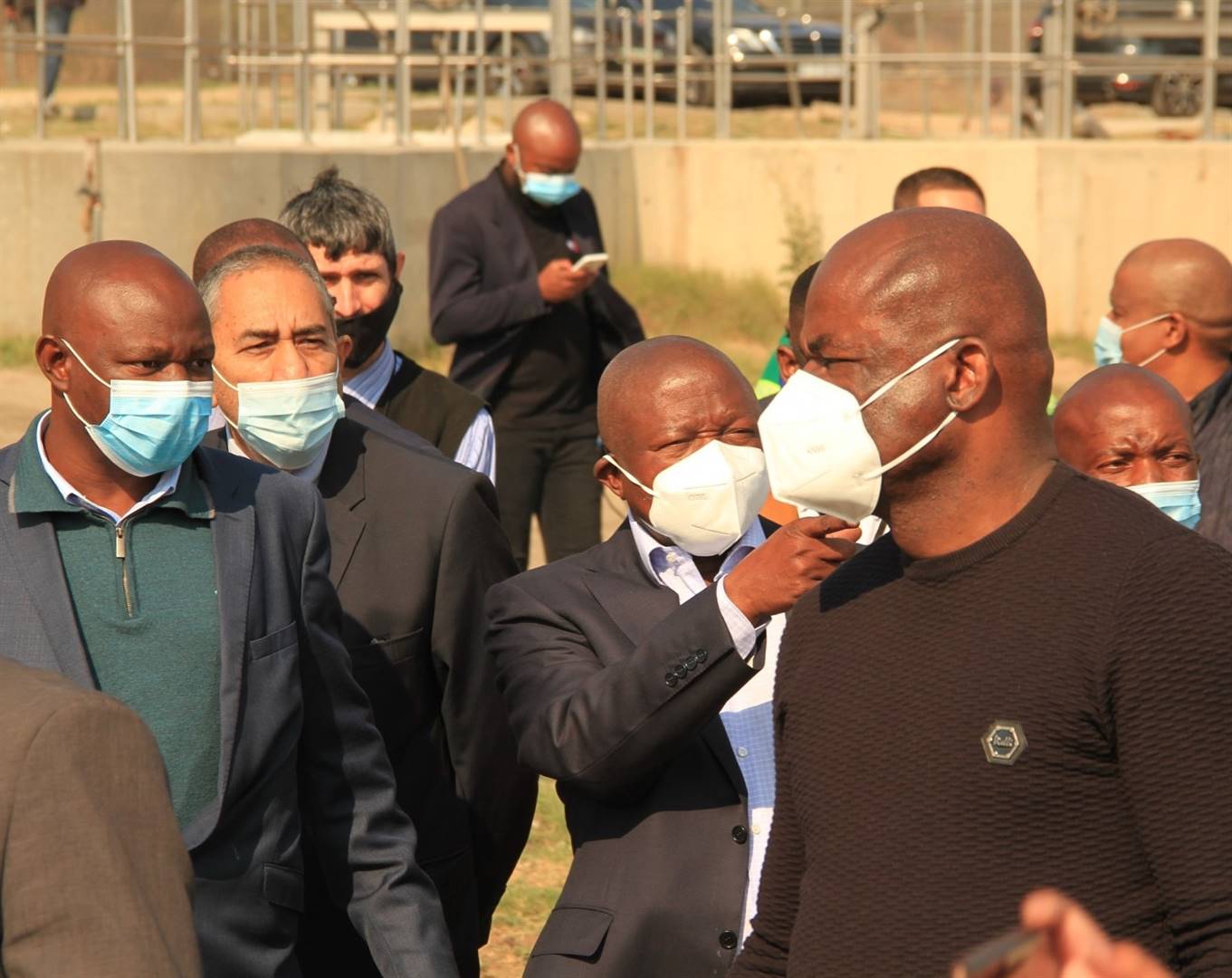 During a visit in September 2021 to the Homevale Sewage Treatment Plant in Kimberley. Present were amongst other Boy Dhluwayo, then director of infrastructure and services at the Sol Plaatje Municipality, Goolam Akharwaray, former municipal manager, David Mabuza, former deputy president, and Dr. Zamani Saul, premier of the Northern Cape.
No positive Green Drop reports
“None of the Northern Cape, North West or Free State municipalities under investigation along the rivers have received positive Green Drop reports for sewage water quality in the past year,” he says.
The situation is exacerbated because the wastewater of clinics and hospitals, which contains complex combinations of pathogenic organisms and pharmaceutical substances, is also directed to municipal sewage treatment plants.
In recent years, Bekker has conducted risk analyses on data sets every three months. In each data set, the acceptable levels of E.coli in the water were exceeded.
“E.coli is an indicator of human excrement in the water, of untreated sewage that has been dumped into the rivers. The E.coli are breeding grounds for parasites, viruses, bacteria, and fungi that can spread diseases such as gastroenteritis, schistosomiasis, cholera, dysentery, hepatitis A, amebiasis, trichomes, typhoid fever, poliomyelitis and leptospirosis.
“Sewage treatment plants have been poorly managed for several years by incompetent staff who do not know how to operate the works and do not realise the seriousness of sewage spills. The water at sewage plants is now much more concentrated and polluted than even those at open manholes and pumping stations where slow-moving sewage is exposed to oxygen and UV light, and some of the pathogens are destroyed.”
Bekker says the risk of water-borne diseases such as cholera is very high for water users from rivers into which untreated sewage is dumped. The risk increases in the first few days of high flow periods and then again with low flows when there is little dilution in rivers.
‘Making good progress’
In a statement last week, the national department of health said they were making “good progress to control the spread of cholera and investigate the cause of the outbreak.
“National, provincial, and district teams have been dispatched as part of the investigation to inform residents about the disease and how to avoid it. Until last week, 600 people suspected of having the disease were seen in hospitals in Gauteng and the Free State. In Hammanskraal, 200 people are in a field hospital,” reads the statement.
In five provinces, 166 cholera cases have been confirmed by laboratory tests so far, with 202 cases where the disease is suspected.
The department warns people to be careful of suspected contaminated food, water and surfaces, to wash their hands regularly when preparing food and visiting the bathroom, and to not drink untreated water from rivers, streams, and ponds.