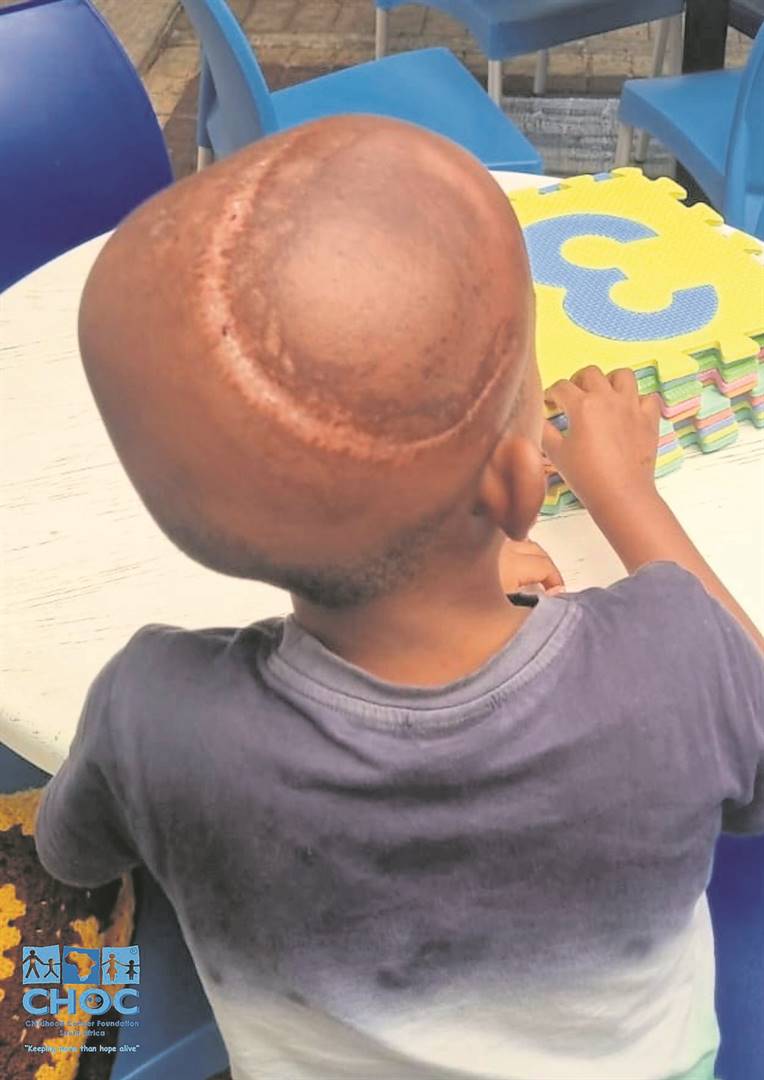


Research has shown that, in addition to early cancer detection, treatment and care, a positive outlook and support from family and friends play an important role in a cancer survivor’s recovery.
Give your friend space, but offer to visit when he or she would like, and also consider the following:
- Make flexible plans that can easily be changed.
- Make plans for the future – this gives your friend something to look forward to.
- When you make a commitment to help, follow through and do not forget to do it.
- Shop for groceries and pick up prescriptions.
- Help with chores around the house, such as getting the mail, taking care of pets, cleaning, doing laundry, taking care of plants and flowers and taking out the garbage.
- Baby-sit children, take them to and from school and evening activities, and arrange for play dates.
- Give your friend a ride to an appointment or support group or take notes during a doctor’s appointment.
- Keep your friend company during a treatment session by sitting with him or her during a chemotherapy session.
- Take a scenic drive with your friend when he or she is too weak to take a stroll in the park.
- Be humorous and fun when appropriate and when needed.
- Allow for sadness – do not ignore uncomfortable topics or feelings.
- Respecting privacy is extremely important. It is essential to maintain confidentiality.
- Listen without always feeling that you have to respond, sometimes a caring listener is what the person needs most.
- Expect that the person with cancer will have good days and bad days, emotionally and physically.
- Keep your relationship as balanced as possible.
- Make time for a weekly check-in phone call. Let your friend know when you will be calling, but let him or her know that it is okay to not answer the phone.
- Try not to let you friend’s condition get in the way of your friendship. Treat him or her the same way you always have.
- Ask about interests, hobbies, and other topics not related to cancer – people going through treatment sometimes need a break from talking about cancer.
- If you are not sure how to help, ask.
Avoid saying
- I know just how you feel.
- You need to talk.
- I know just what you should do.
- I feel helpless.
- I don’t know how you manage.
- I’m sure you’ll be ?ne.
- Unsolicited advice or to be judgemental.
- Don’t worry.
- How much time do the doctors give you?
- Let me know what I can do (instead, offer specific ways in which you can help and things you can provide, should they need to call on you).
Rather say
- I’m sorry this has happened to you.
- If you ever feel like talking, I am here to listen.
- What are you thinking of doing, and how can I help?
- I care about you.
– cansa.org.za