
A team of Sol Plaatje University (SPU) Data Science students was placed among the top 14% of data scientists taking part in a global competition.
In this competition, historical product and customer metadata are used to develop a personalised customer recommendation system for international fashion group H&M.
The five students, under the guidance of SPU Data Science lecturer Nontokozo Mpofu, took part in the competition via Kaggle, a data science platform which, among other things, challenges data scientists of all levels (from beginners to experts) to participate in real-life data science competitions.
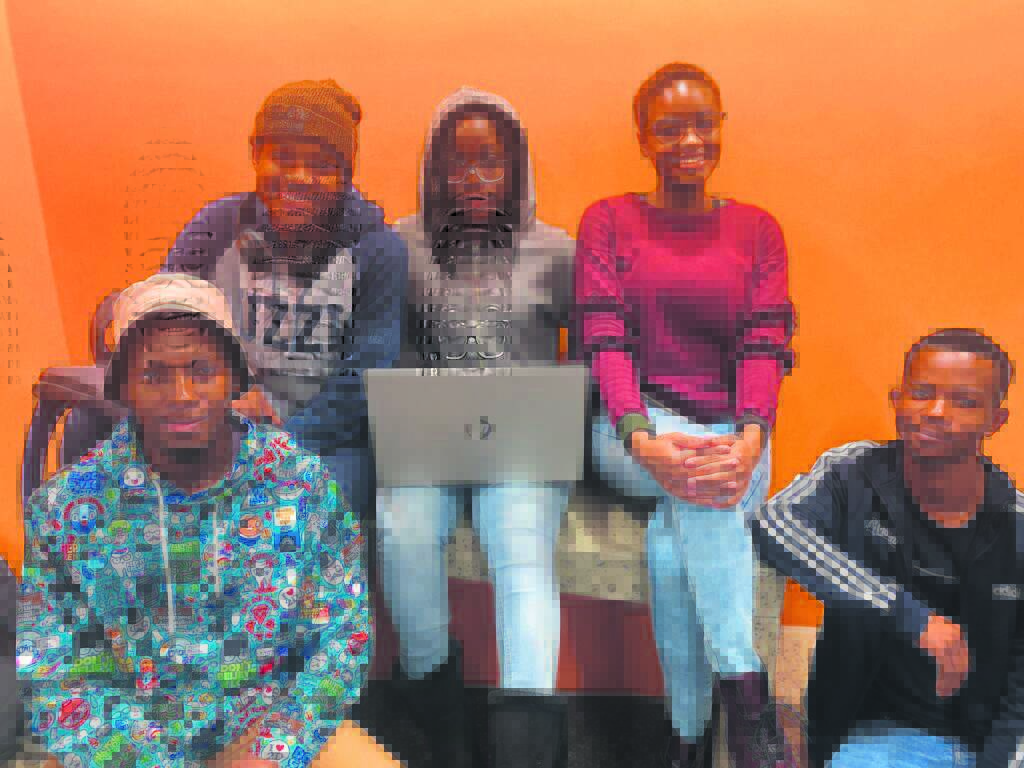
The competing students were Ngonidzashe Tinago, Risima da Gama, Hiteko Kevin Maluleke, Rejoice Chitengu and Skhumbuso Maleka, all second-year BSc Data Science students.
“We had to compete with data scientists of all skill levels, from amateurs to experts, while adhering to due dates for required submissions, with guidance from Ms Mpofu,” said Tinago.
“There were 2 952 teams and 3 759 competitors, with a total cash prize of $50 000 (R855 000) at stake.”
Despite only being able to take part in the last one-and-a-half months of the three-month competition while attending their semester lectures full time, the team impressed their lecturer when they finished in the top 14% of competitors.
“Kaggle provided us with four data sets and one sample submission data set, including images of almost each product in the H&M stores, and transactions of each customer for a given period,” Tinago said.
“Since the data sets provided were too big, we had to code on the Kaggle platform – which was not much trouble, as Kaggle had all the necessary resources and packages already installed. Kaggle allowed five submissions a day, so from the time we joined we could have submitted a total of 90+.”
Chitengu and Da Gama explained that the team’s strategy was to first understand how the platform worked and what resources it offered to make things easier.
“We looked at previous competitions and how previous winners went about their work. We allocated enough time to the project and set deadlines for each task we allocated ourselves.”
Maleka said the team learned a lot from competing on an international level.
“It showed us that coding or programming can never be a one-person job – you always need to consult with someone, and you always need to merge ideas to get a great outcome.
“We also learnt that there’s no irrelevant skill in a team. We learnt that programming can be fun, but there is no fun if you do not fully understand your data.”
Mpofu congratulated her students.
“They did good work and showed the potential among SPU’s Data Science students. We look forward to rising up in the ranks even more impressively in other competitions.”