
Some people might believe Kimberley is a forgotten city, while its diamond wealth was the foundation on which the development of contemporary Southern Africa is based.
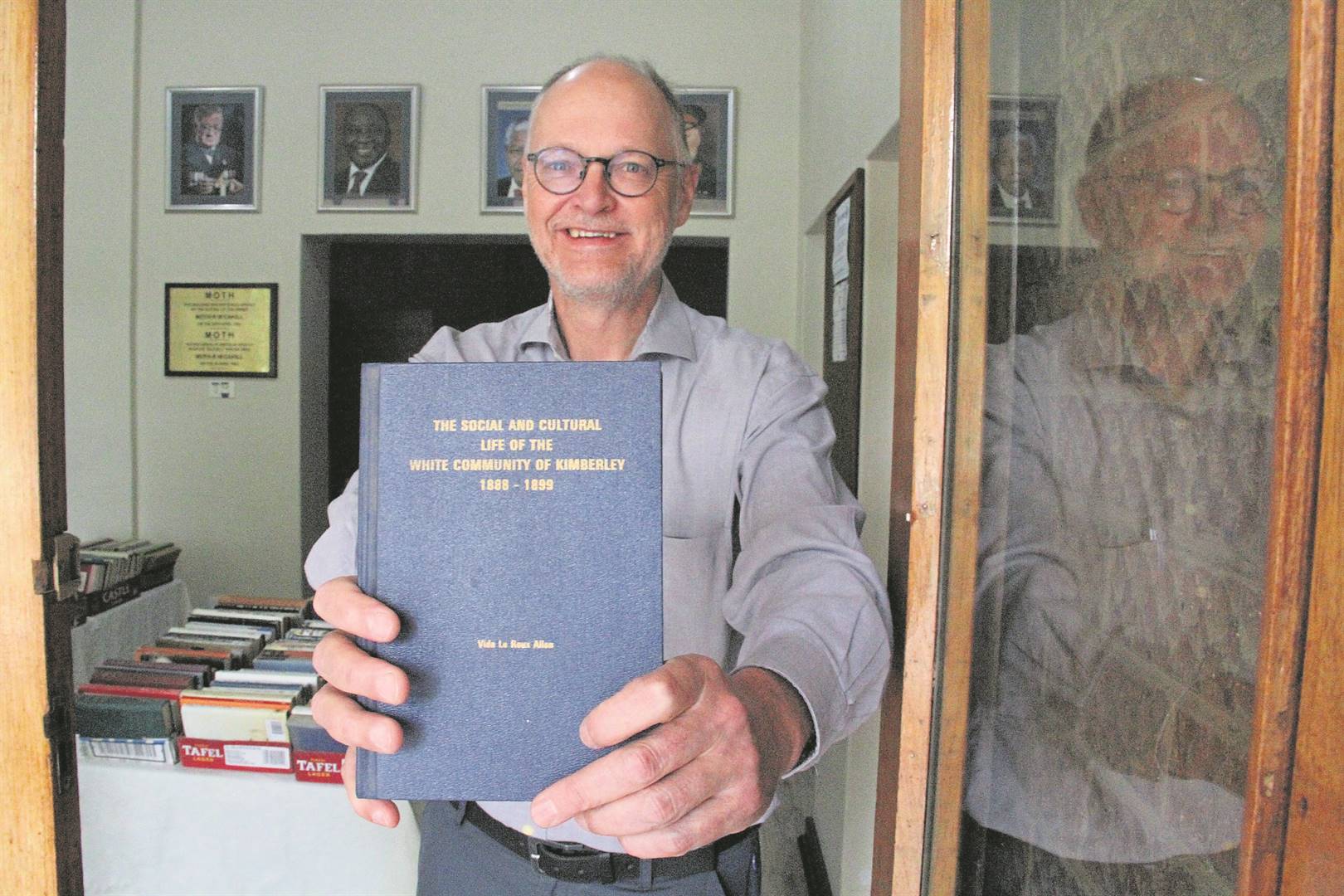
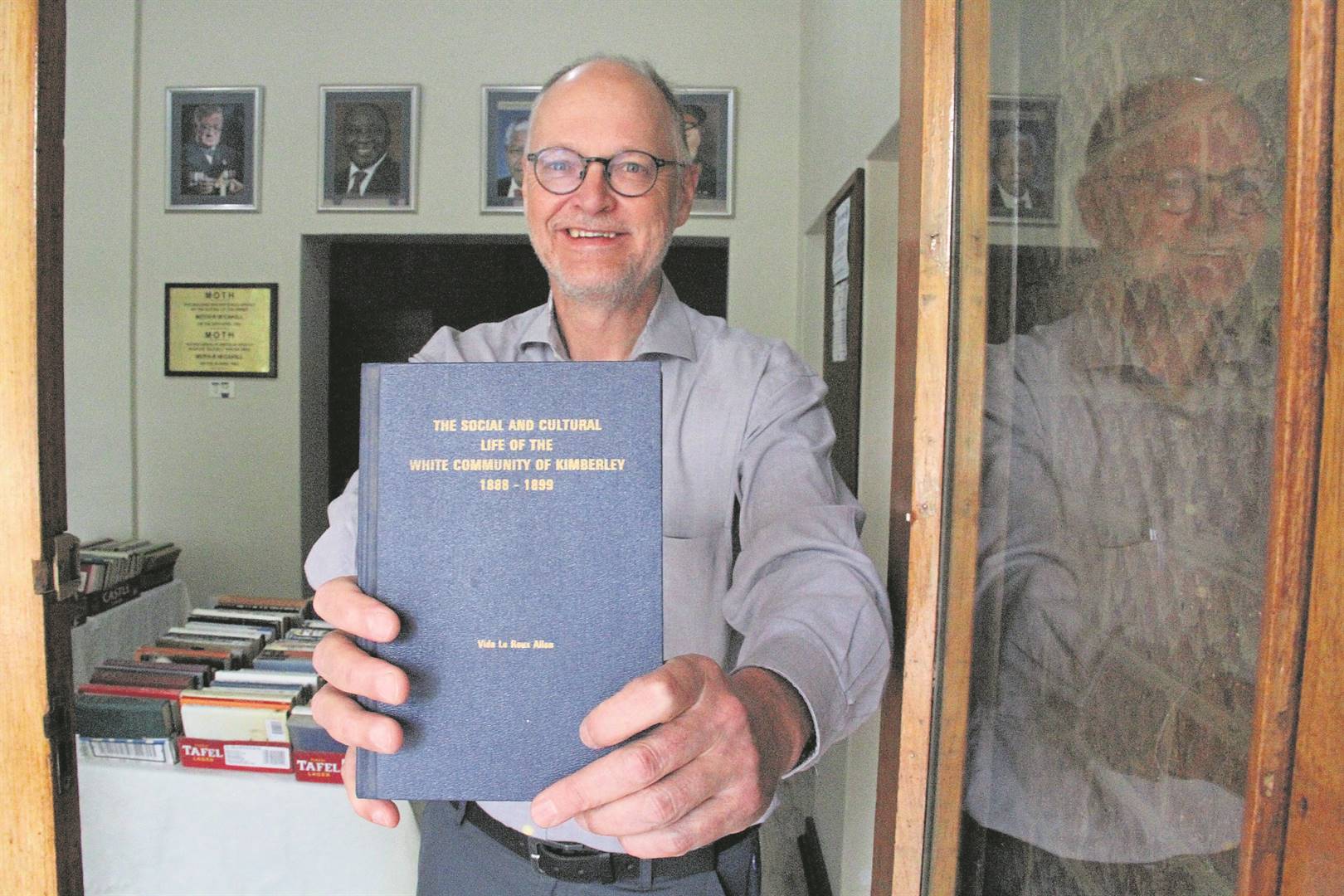
So says Prof. Jan-Bart Gewald, a senior researcher at the University in Leiden in the Netherlands. He is working on the history of Kimberley from 1870 to 1920.
Gewald recently visited the city again to do more research for a book he hopes to finish in five years’ time. He has already spent two years on the book’s research.
“I’m particularly looking at what I call a multi-species history of the city. By that I mean the environmental impact of diamond mining between 1870 and 1920. It is my favorite period in history as it was when the colonial state was established in Southern Africa.”
He says industrialisation in Witwatersrand and Johannesburg and beyond would not have happened without the money from Kimberley.
Gewald grew up in several Southern African countries as his father was a geologist working for Anglo American.
“Cecil John Rhodes established De Beers Consolidated Mines, a company that already in 1903 appointed a meteorologist to publish articles on how mining might change the climate. I find that fascinating.”
His research is organised into themes: water and wood, food and fodder, wealth and waste, and muscle and miners.
“When the first diamonds were found on Colesburg koppie, there were camelthorn trees all around. Within 15 years all the camelthorn trees and other trees have been stripped in a radius of about 250 km. If you now drive from Kimberley towards the Cape you won’t find trees older than 80 years.
“That radius goes all the way up to the Ramatlabama borderpost in Botswana. Trees were even brought in from Knysna, Tsitsikamma and Ceres. Wood was needed to cook, and to support the mine activities. It was also used in steam engines and locomotives.”
Most trees in modern day Kimberley are not endemic, as well as birds like seagulls and hadedas. The dreaded Prosopis glandulosa tree (known as the Suidwesdoring) was introduced to replace camelthorn trees, but has become a problematic invasive species.
Drinking water was brought in from the Vaal River as Du Toitspan was polluted by human excrement. People and domesticated animals like oxen, horses, donkeys, and mules had to eat.
“I found that the snoek-industry on the West Coast thrived because of the demand from the diamond fields where 80 000 people were huddled together. Even the Herero people in Namibia thrived as they drove cattle over the Kalahari desert to be sold in Kimberley. Game meat was supplied through massive hunting trips.”
Before the railway line was built, everything was brought to Kimberley by ox-wagon. Other domesticated animals were used on the diggings and in mining operations.
“There were also packs of dogs around, originally brought as companion animals. Some people walked with knopkieries to keep the feral dogs at bay.”
The wealth created in Kimberley was astronomical.
“Not only were English universities established with the money, but also Afrikaner establishments. The Marais brothers, partners of Barney Barnato, diamond tycoon, in today’s terms donated £1,5 billion for the University of Stellenbosch. They also laid the foundation of Naspers, who today is a dominant player in the world of commerce.”
Gewald will return next year to continue his research at the McGregor Museum, Africana Library, Sol Plaatje University, and other archives and will interview archeologists, historians and other experts.
“I really hope to enter the De Beers archives too,” he says.