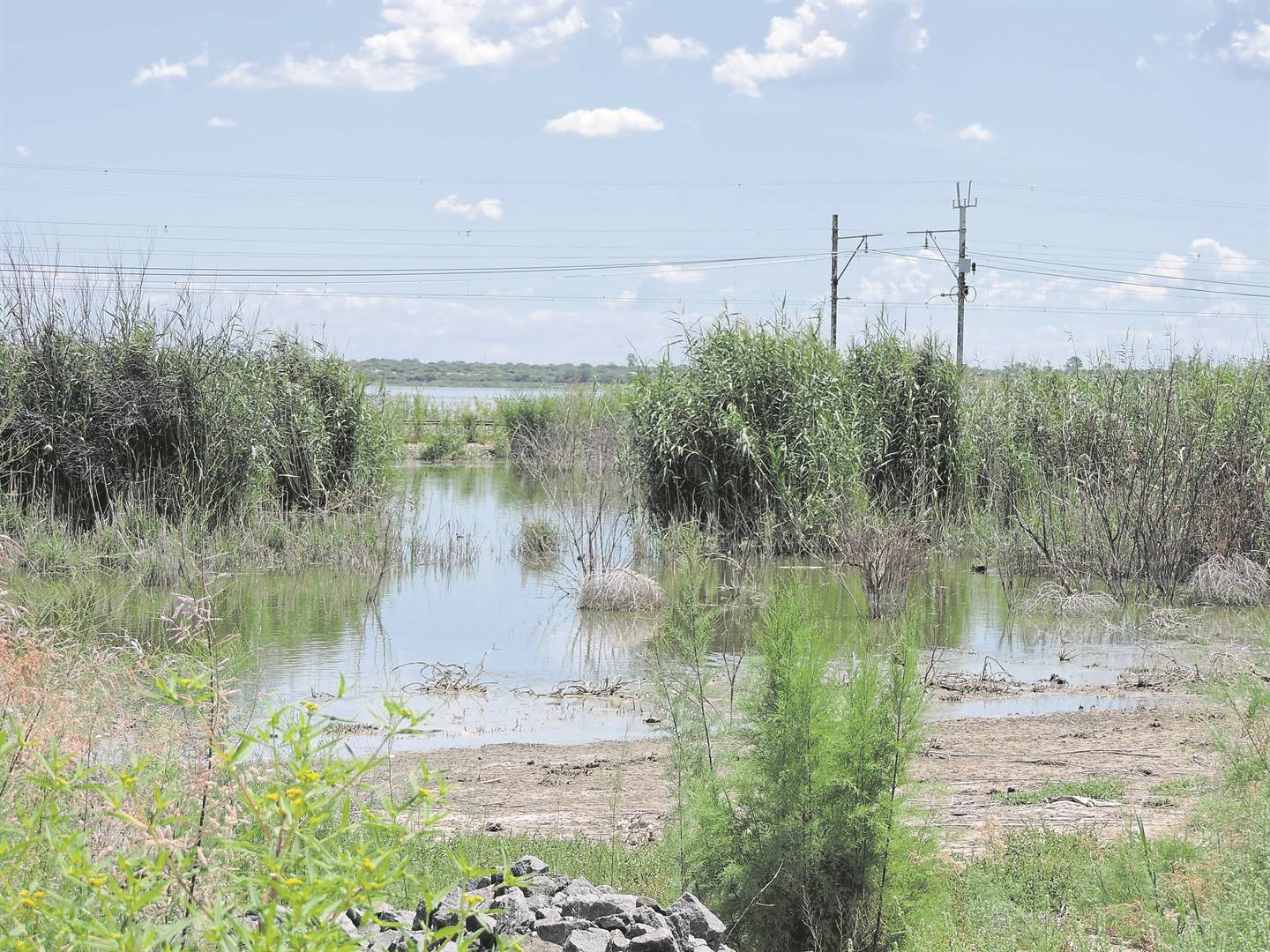

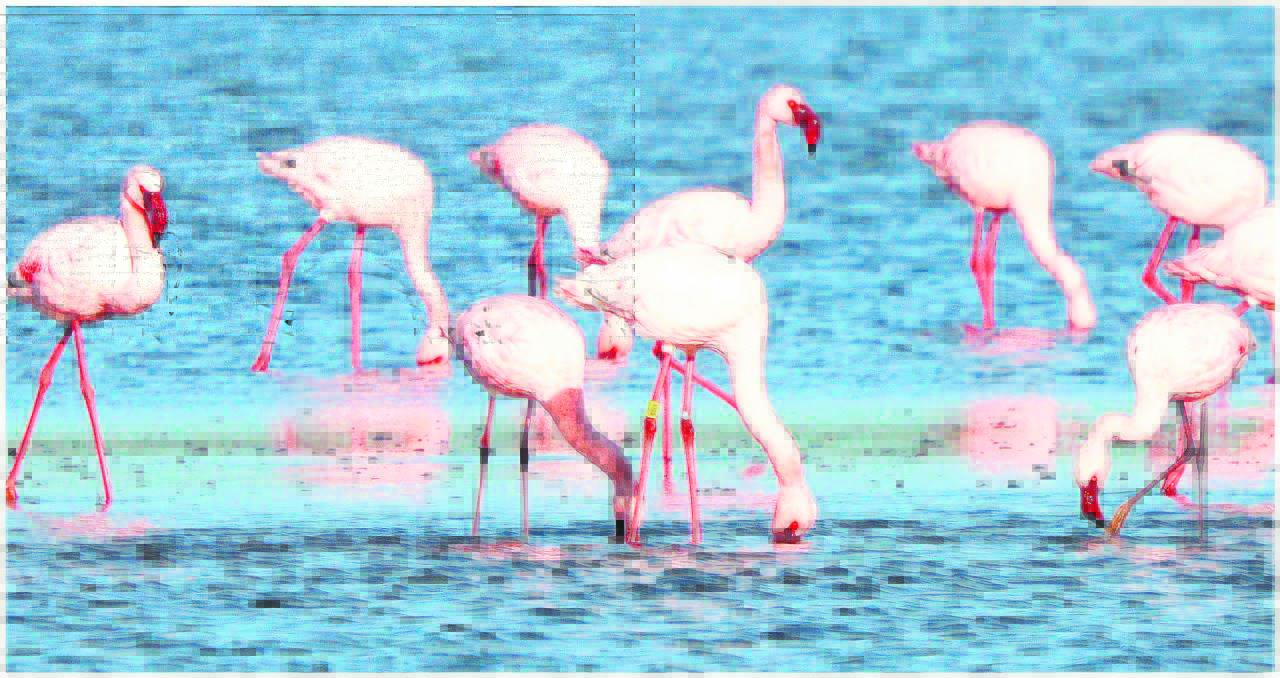
An injured, wild, and juvenile lesser flamingo was brought in during the flamingo rescue operation at Kamfers Dam outside Kimberley during 2019. The bird was nursed back to health by Dr Donovan Smith and fitted with a GPS tracking device. It has since returned to Gqeberha (Port Elizabeth) for the third time in four years.
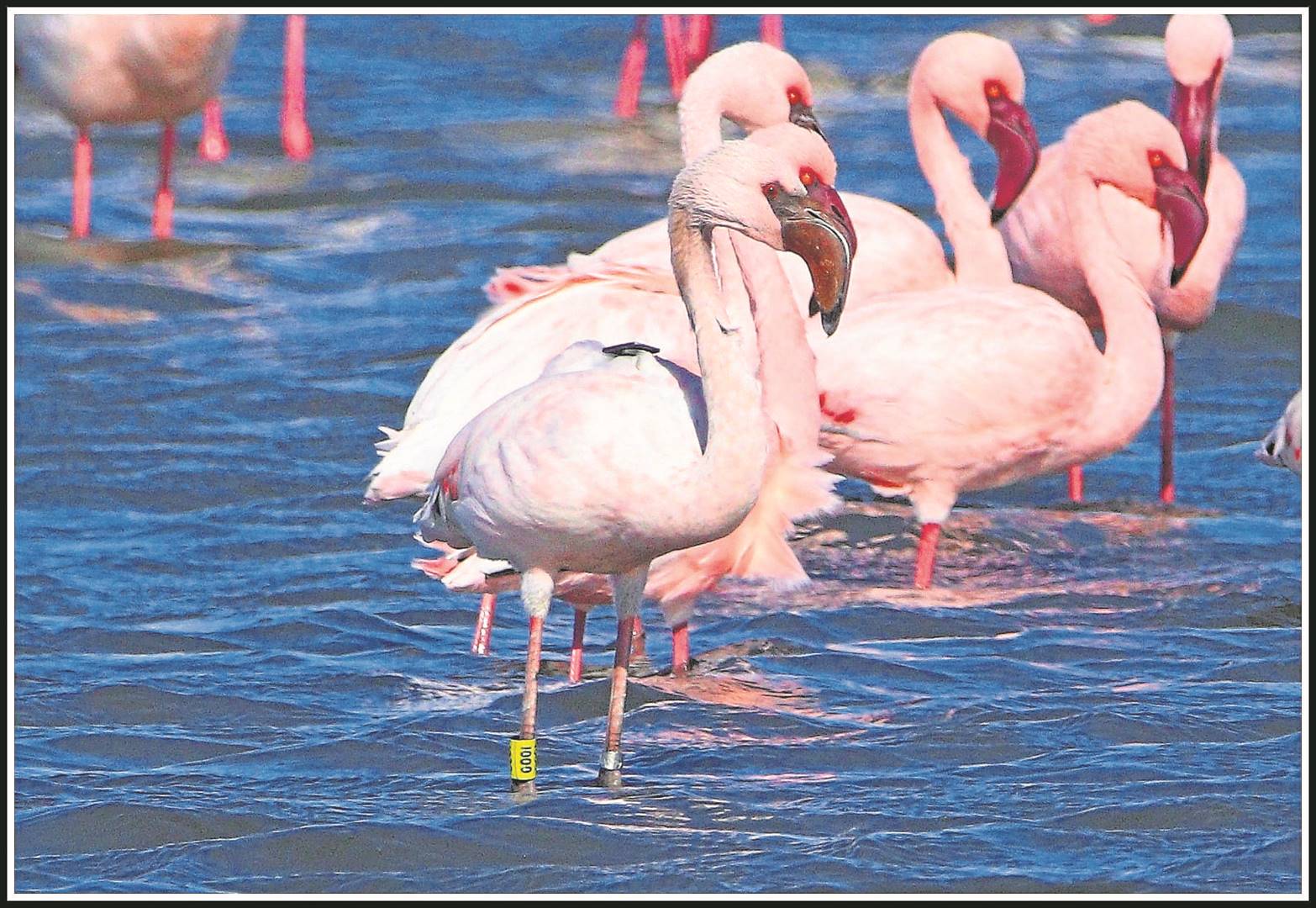
The bird, with a yellow colour ring marked 0001, was released at Kamfers Dam in July 2019 and has flown to Gqeberha twice over the past four years, returning from its last trip in January 2022.
Over the past 18 months the bird has been moving between pans in the Welkom, Bultfontein, and Wesselsbron area.
On 13 June it started moving southwards, and on 14 June it spent the night at a small pan near De Brug, close to the N8 between Kimberley and Bloemfontein.
This is a trip of roughly 770 km and highlighted, once again, how these birds travel at night over long distances.

The map shows an interesting eastward turn just north of Riebeeck East before the bird (and no doubt the flock it was with) turned southwards again and then westwards towards Tankatara. It is suspected this may have been a diversion around an approaching cold front at the time.
The GPS device, fitted with an accelerometer, recorded the bird’s average speed to be 50 km to 65 km an hour.
The bird spent one day at Tankatara before leaving on 16 June for the Redhouse Salt Pans outside Gqeberha, where it has been since.
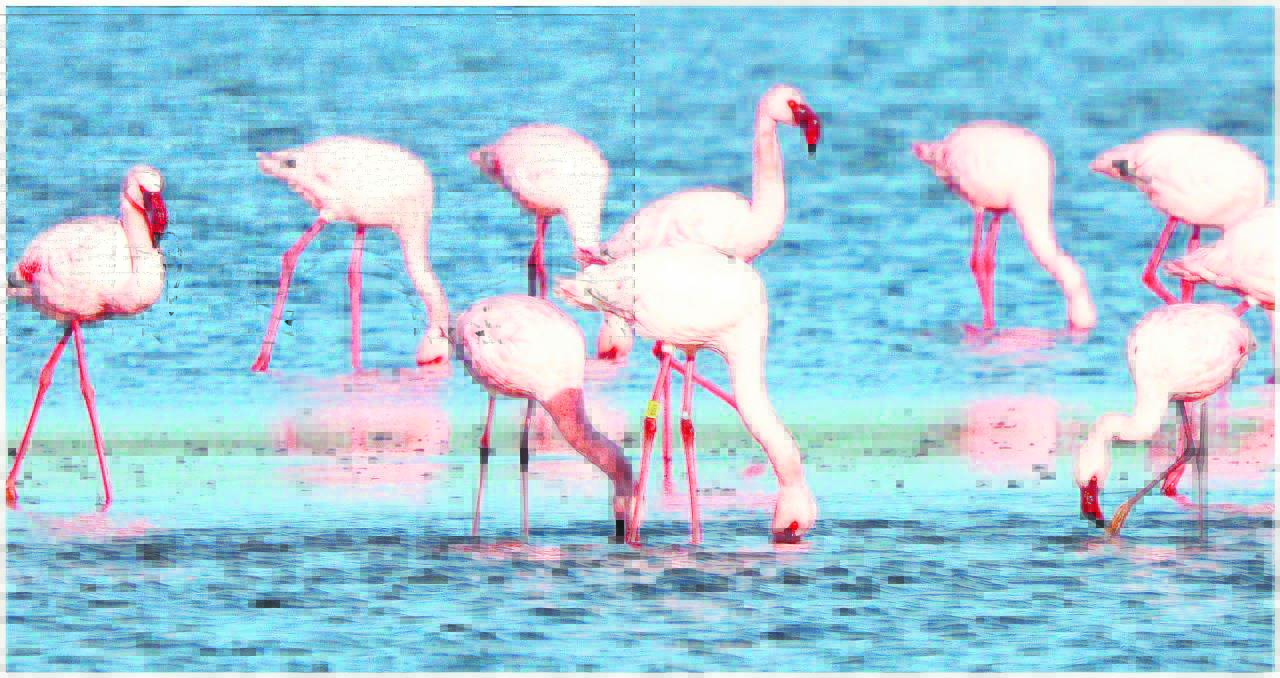
Incredibly, the bird, seen with a flock of about 200 other lesser flamingos, was photographed by Godfrey Lodge, an Eastern Cape birder-photographer at Tankatara and Redhouse.
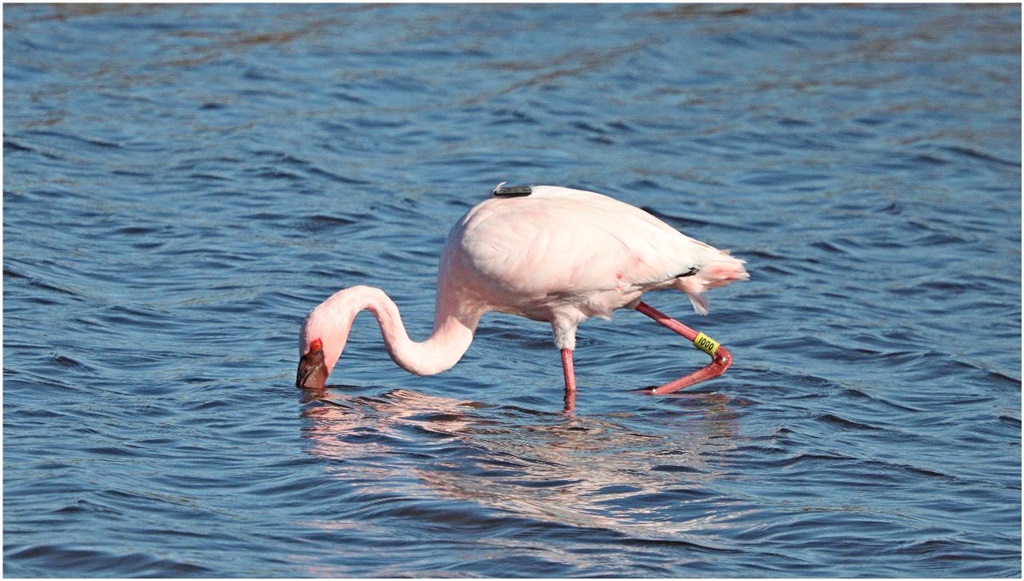
Lodge was also successful in photographing the bird at Tankatara during its 2020 visit to the Gqeberha area.
Thanks to the GPS technology, these incredible findings are transmitted and received from the lesser flamingo.
Based on further analyses of this information, it would appear that there is a regular well-used “north-south” migratory route used by these birds which, without the GPS tracking device, would have remained unknown.
How long this bird and the other flamingos remain in Gqeberha, remains to be seen.
– Dr Doug Harebottle, chair of the Gariep Bird Club
- Write to Harebottle or join the club at birdclubgariep@gmail.com.