
On World Alzheimer’s Day – Thursday, 21 September – organisations around the world raise awareness on this disease.
The Association for Dementia and Alzheimer’s of South Africa (Adasa), formerly Alzheimer’s South Africa, offers support throughout the dementia journey and renders services to family, caregivers, facilities, communities and professional people.
Background
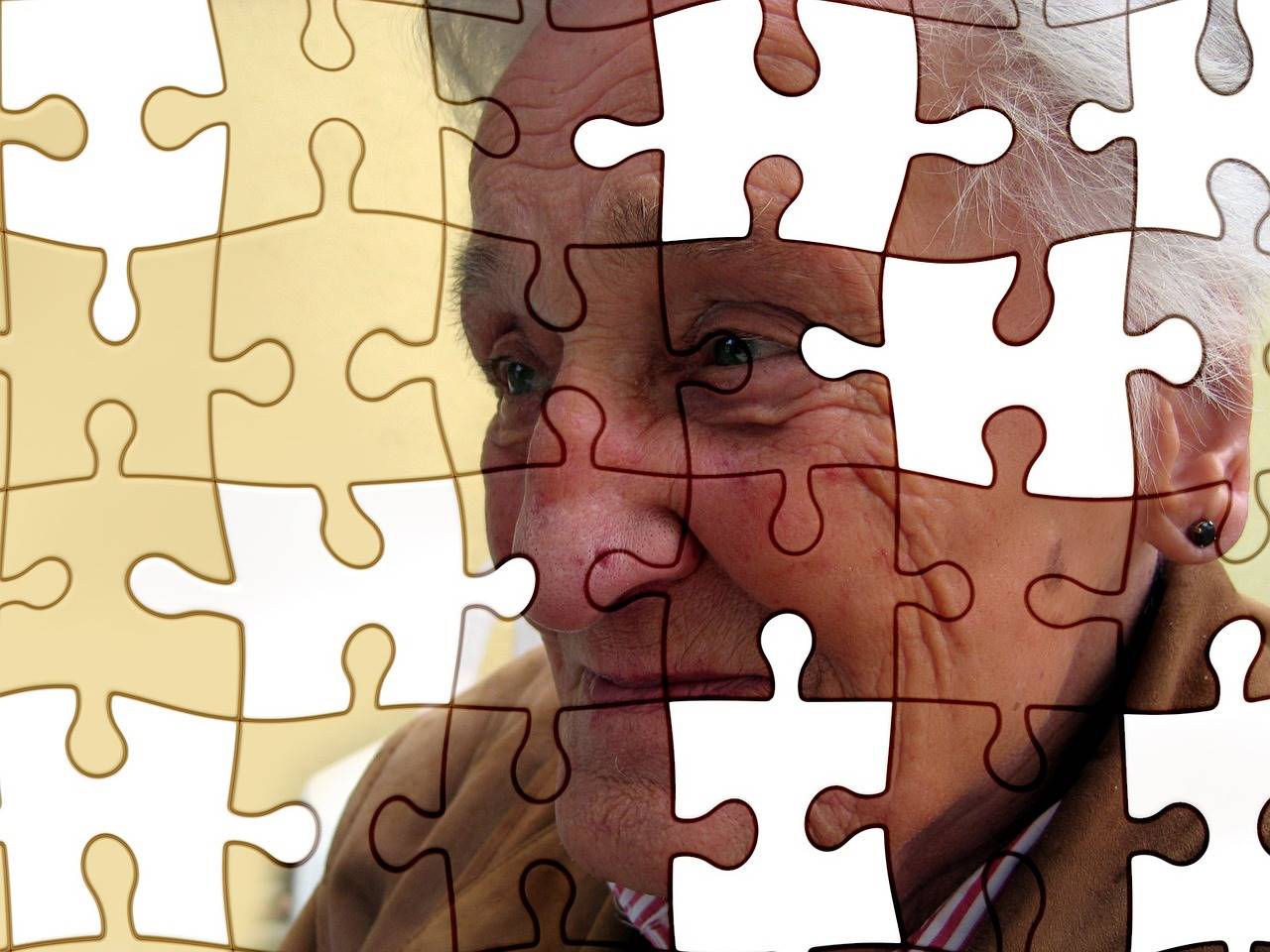
Dementia is a term used to describe several diseases of the brain which affect memory, language skills, visual perception (being able to see and understand what is being seen), the capability to focus and pay attention, and to reason and make decisions.
Dementia is a brain failure, caused by damage to brain cells through a head injury, blockage to blood flow, or types of protein build-up interfering with brain function.
The most common types of dementia are Alzheimer’s, vascular, frontotemporal, Lewy bodies, alcohol-related (Wernicke-Korsakoff’s syndrome) and Aids-related. A person can also have mixed dementia.
Different brain imaging tools can help determine the type of dementia, solidifying a diagnosis.
Specialists are the only ones who can make the diagnosis. This includes neurologists, psychiatrists, and geriatricians.
Support and care
A general understanding of dementia and how it affects the person and family is advised. Know distinguishing characteristics of each type of dementia; recognise and understand behaviour and learn how to use a positive approach; obtain a personal record (the person’s likes, dislikes, favourite songs, colour, music, holidays, sports, hobbies, and more); and remember those dealing with dementia are not doing things on purpose.
Triggers
Caregivers and family sometimes trigger behaviour without realising it. Triggers include people, environment, and physical factors like poor vision, illness, dehydration, constipation and medication.
Stages of dementia
There might be no impairment (no symptoms, but tests may reveal a problem); slight changes in behaviour, but the person still acts independently; or mild impediments that interfere with daily living activities.
- Adasa offers a variety of assistance. Call the national helpline on 0860-102-681 or visit adasa.org.za.