

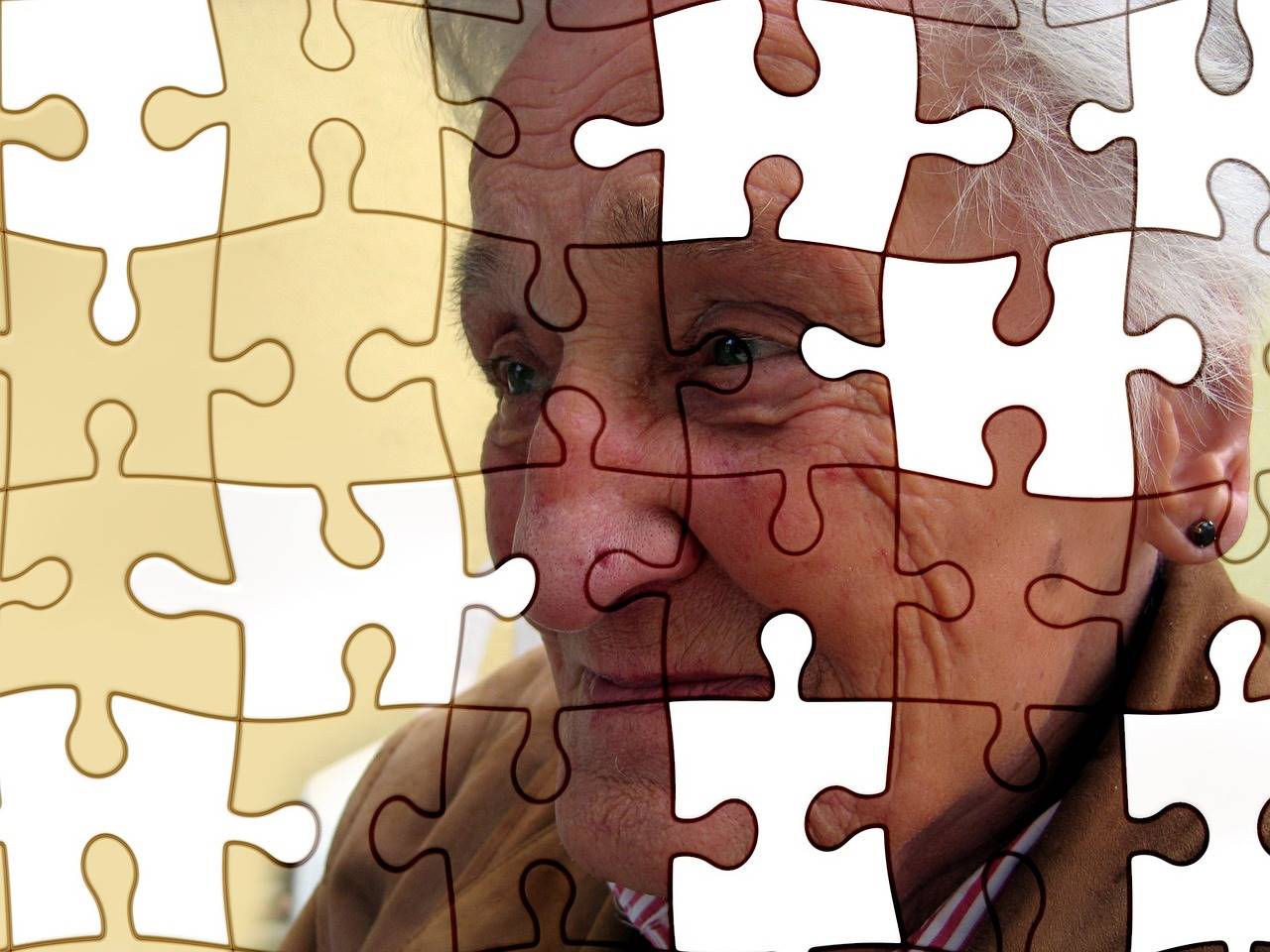
Currently, more than 55 million people all over the world have dementia, with nearly 10 million new cases reported annually, with over 60% of these living in low and middle-income countries.
In September, which is International Alzheimer’s Month, a global awareness-raising campaign focuses on attitudes toward dementia. It seeks to redress stigma and discrimination surrounding the condition and highlights steps organisations and governments could take to develop a more dementia-friendly society.
This year’s campaign centres around the theme “Time to act on dementia, Time to act on Alzheimer’s”.
The Association for Dementia and Alzheimer’s of South Africa (Adasa) non-profitable company is one of Alzheimer’s Disease International’s (ADI) members, which supports and works within the field of Alzheimer’s and dementia.
ADI comprises 105 members from around the world, each a non-profit organisation that supports people affected by dementia, their carers, and their families.
Explaining dementia
One of the two biggest challenges South Africa faces around dementia is that no word has been identified in nine of the 11 official languages to explain “dementia.”
The term used for dementia in Zulu, the most spoken first language in South Africa, is “ukuwohloka komodo,” which, when directly translated, means “breakdown of the mind.”
Communities are now beginning to use the word “dementia” but still do not know that it is an incurable brain condition.
Secondly, the public is uneducated about dementia. Many are unaware that dementia is an umbrella term for a collection of symptoms caused by disorders affecting the brain and impacting memory, thinking, behaviour, and emotions. Alzheimer’s disease, vascular dementia, frontotemporal dementia, Lewy Body dementia, and many more fall under the umbrella term.
Adasa’s slogan, “Memories Matter”, truly describes the heart of what the organisation wants to achieve in South Africa. The campaign’s purpose is to recreate the effects of dementia for other people – just for a moment – so they understand what it is like for those who are affected by living with dementia.
Warning signs of dementia
In most cases, dementia symptoms progress gradually over years. The early signs, usually memory problems, may not be immediately obvious.
Symptoms vary and forgetting things is a normal part of aging, but those with dementia often have one or more of the following:
- memory problems (short-term);
- diminished ability to plan activities;
- problems with language and communication;
- general confusion, disorientation in time and/or place;
- difficulty with abstract thinking, lapses in judgment;
- difficulty performing a familiar activity;
- misplacing objects and problems keeping track of things;
- behaviour and personality changes;
- sudden mood swings;
- challenges in understanding visual and spatial information; and
- loss of initiative and or apathy.
Maintain a healthy lifestyle
Reduce your risk of developing dementia by maintaining a healthy lifestyle through:
- regular exercise;
- eating a healthy balanced diet;
- not drinking more than the safe recommended limit of alcohol;
- do not smoke;
- manage chronic health problems such as high blood pressure (hypertension), diabetes and high cholesterol;
- get enough sleep;
- stay involved socially; and
- engage in intellectually stimulating activities such as reading, doing crossword puzzles, sudoku or any other mind-stretching games.
- Visit adasa.org.za or dial 011-792-2511 for more information. Adasa also has a regional office in Kimberley.