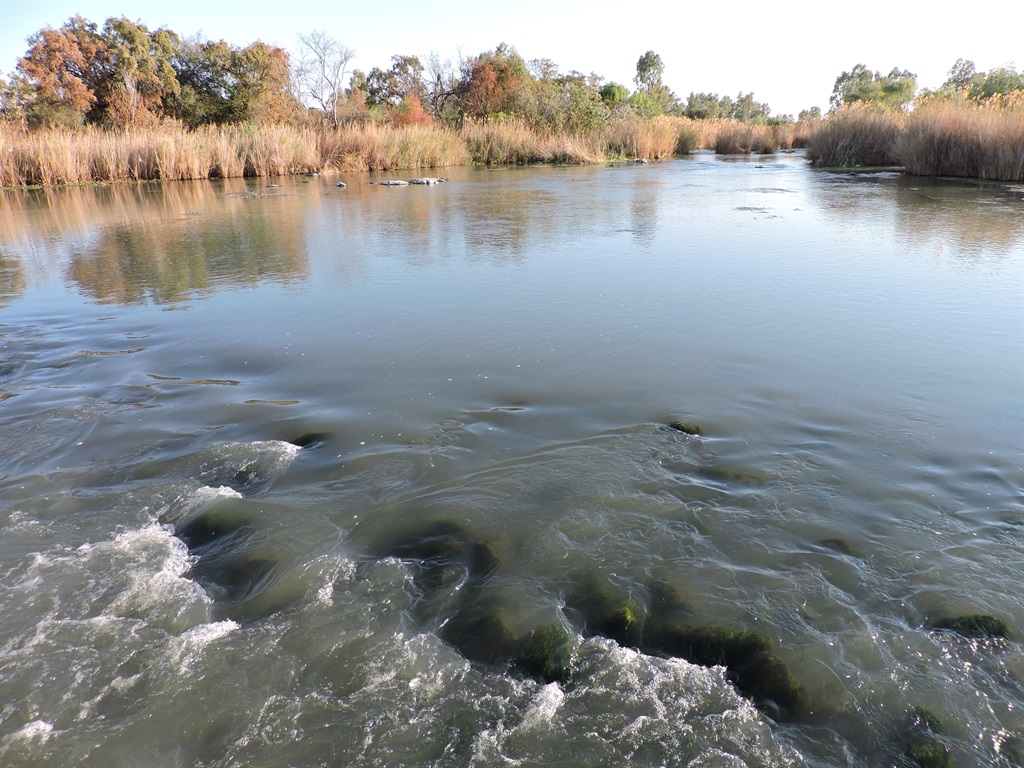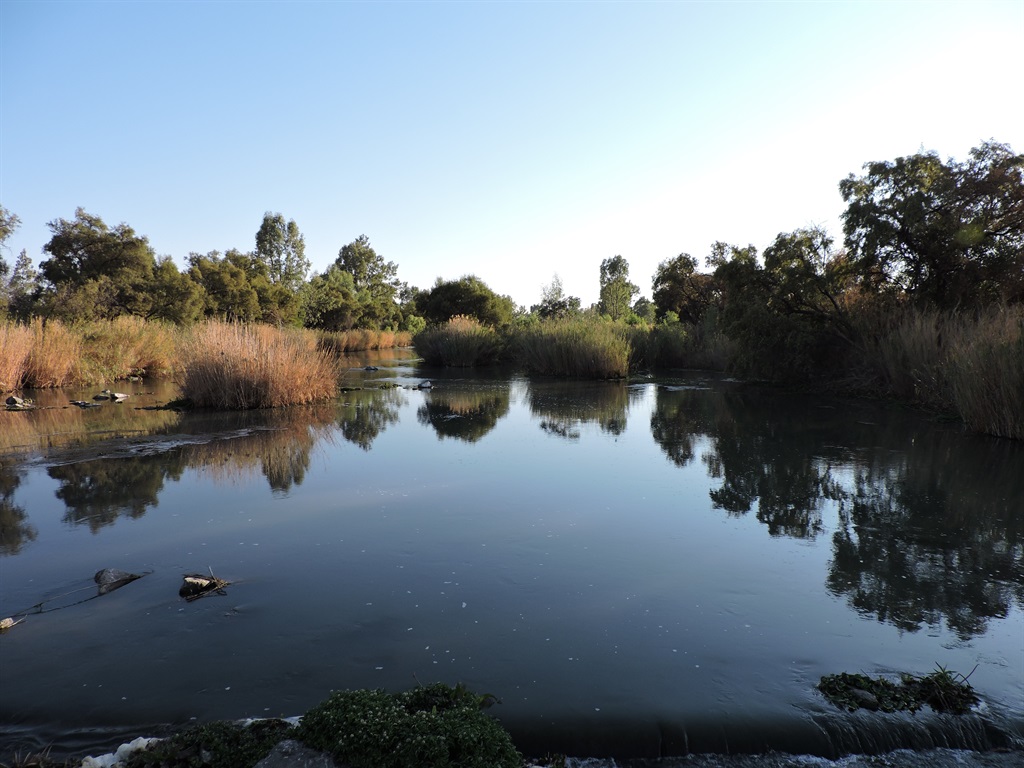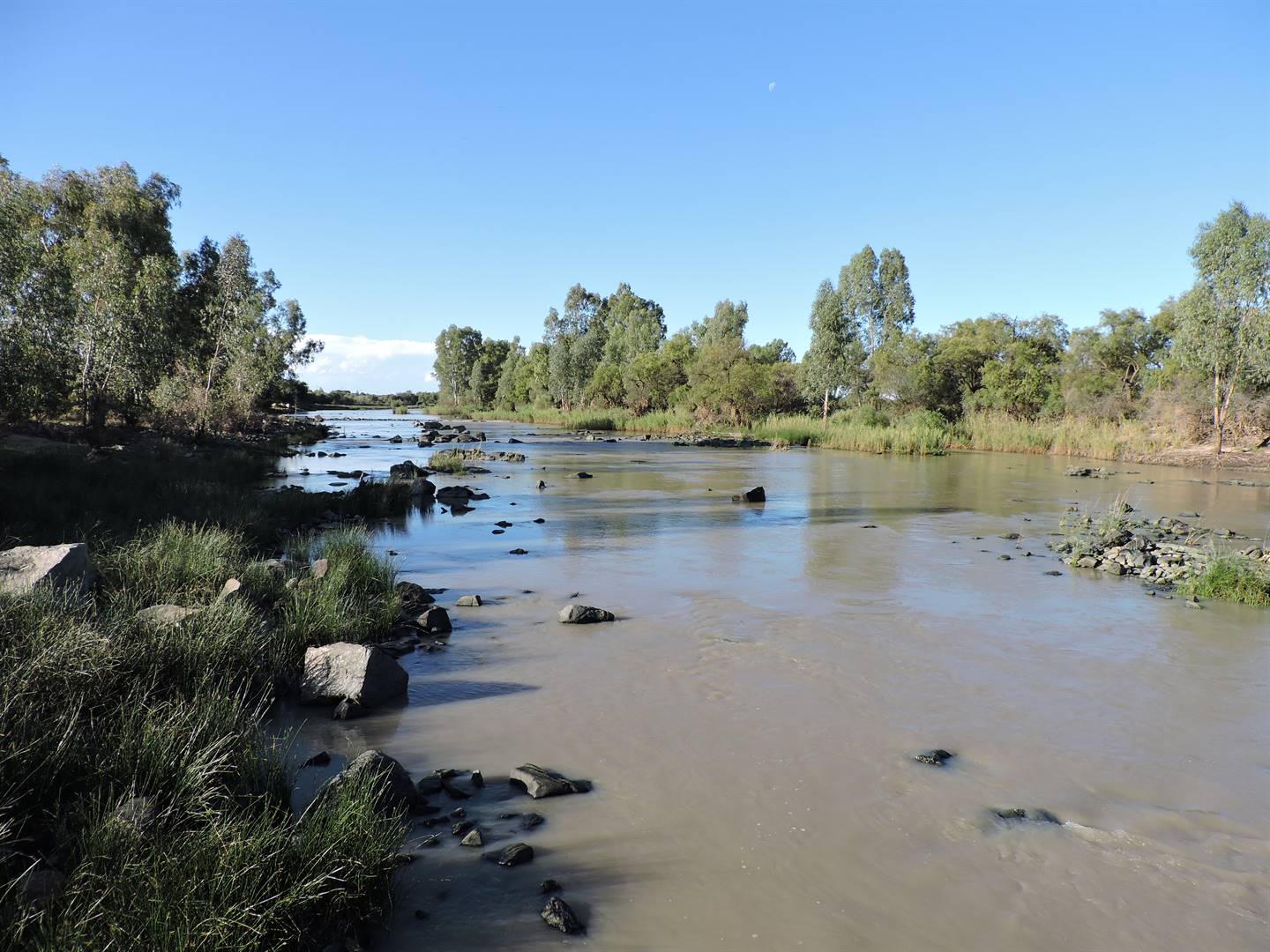

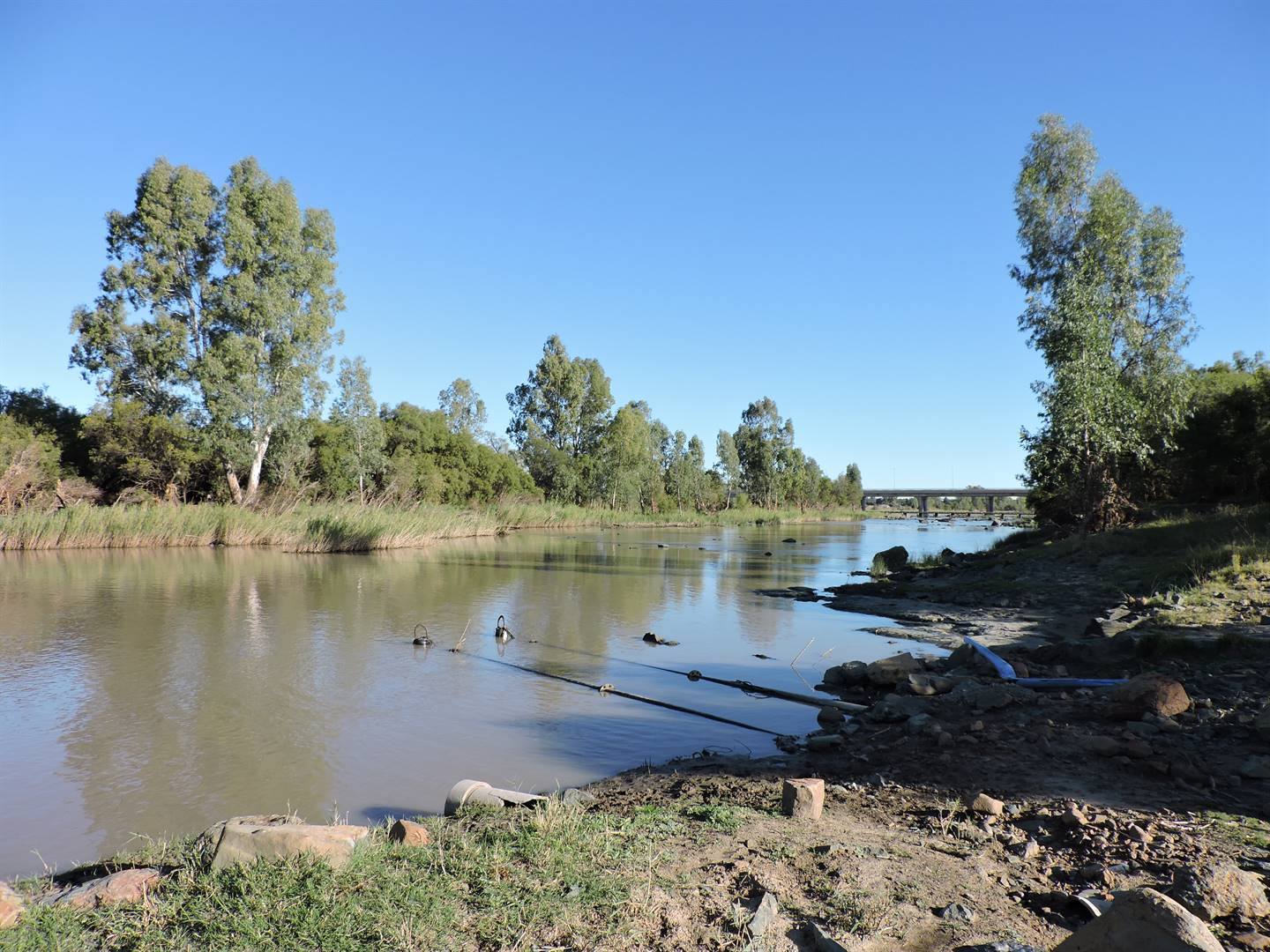
Water users along the Harts and Vaal River, from Christiana downstream, must be careful when using raw (untreated) water from the rivers after cholera was detected last week. This warning was issued by the Department of Water and Sanitation (DWS).
This comes after Water and Sanitation deputy minister, Sello Seitlholo, launched the Anti-Pollution Forum on Thursday, 3 October, in Vanderbijlpark.
It is the responsibility of the forum to hold polluters of freshwater sources across the country accountable for their transgressions.
Municipalities to take extra care in water treatment process
Communities were advised not to drink or have contact with the raw water from the rivers. Follow-up sampling on the river is in process and will indicate the extent to which contamination has taken place and the area of caution, the DWS said in a statement.
The communities under the Dr Ruth Segomotsi Mompati, Francis Baard and Pixley ka Seme District Municipalities, as well as the water services authorities in the area, have been requested to take extra care in the water treatment process, disinfection and chlorination of the water to safeguard water from the risk of cholera.
The municipalities of Naledi, Greater Taung, Leekwa Teemane, Magareng, Dikgatlong, Sol Plaatje, Siyacuma and Phokwane treat water from the rivers to ensure it is safe for consumption. Water is tested to ensure safe drinking water. Water not meeting the required standard will not be supplied for drinking and domestic use.

“All possible pollution sources from the Bloemhof Dam to Douglas are considered, specifically from the discharge of waste water treatment works. The required compliance monitoring and enforcement activities will continue to ensure compliance.
“The DWS would like to remind members of the public that rivers, dams, and streams contain raw (untreated) water, and this water is not suitable for human consumption. Municipalities must instruct water users to boil their water for drinking purposes as extra safety precaution,” the DWS stated.
Kimberley’s Sol Plaatje Municipality ‘adheres to daily measures’
Thabo Mothibi, spokesperson for the Sol Plaatje Municipality, assured residents that “our water remains safe based on the daily quality assurance measures that we are adhering to.” He stated that the raw water quality was being monitored and the municipality would continue to adjust the application of chemicals in treating water as per the required standards.
New forum to address quality of water in Vaal River
Meanwhile, Seitlholo “did not mince his words” when he outlined what the forum aimed to achieve, a DWS statement reads.
The new forum must co-ordinate, improve and integrate efforts for the management of the Vaal River quality in line with its determined Resource Quality Objectives (RQOs) through addressing risks elevated by the 16 Catchment Management Forums (CMFs).
There are ten sub-catchment forums in the Upper Vaal, four in the Middle Vaal, and two in the Lower Vaal, situated along a 1 200 km-long stretch of river, which crosses Mpumalanga, Gauteng, the Free State, and the Northern Cape.
These forums will continue to operate as normal, but will escalate systemic challenges that cannot be resolved within these sub-catchments to the Anti-Pollution Forum.
According to News24, it will be chaired by Marius Keet, a former DWS director in the Highveld area. The forum will meet monthly to coordinate, improve and integrate efforts to manage the Vaal River water quality. It will also provide guidance on ensuring the river’s protection and identifying remedies to mitigate pollution impacts in all water use sectors, including industry, mines, agriculture and wastewater works.
Department’s ‘hands tied’ to take control of municipalities’ function
The minister expressed frustration when speaking to News24.
The DWS’s hands are tied when it comes to taking control of the functions of municipalities that are polluting the Vaal River.
The department has neither the mandate nor the money to force municipalities to ensure they provide clean water to businesses and residents within their boundaries.
The wastewater treatment plants (WWTPs), when working properly, are supposed to remove waste, including biohazardous materials, heavy metals and other dangerous waste from water, which is then returned to the Vaal River.
Most of the cases against the municipalities are for their WWTPs, which are not functioning and disgorging poorly treated water into the river.
Many Northern Cape municipalities dysfunctional
In the Northern Cape, the department is investigating the following municipalities:
- Dikgatlong Local Municipality for the Windsorton WWTP;
- Gamagara Local Municipality (Dibeng and Kathu WWTP);
- Kgatelopele Local Municipality (Daniëlskuil Oxidation Ponds);
- Magareng Local Municipality (Warrenton WWTP and network system);
- Phokwane Local Municipality (Jan Kempdorp WWTP and Hartswater Oxidation Ponds);
- Siyancuma Local Municipality (Griekwastad and Schmidsdrift WWTP); and
- Joe Morolong Local Municipality (Hotazel and Van Zylsrus WWTPs).
Section 63 of the Water Services Act allows the water and sanitation minister to temporarily issue directives to a municipality, in consultation with other departments.
If the municipality still cannot deliver water and sanitation service properly, the DWS can temporarily take over the water and sanitation function in the municipality.
“Not a single official is attending the sub catchment forum meetings. The DWS could not control or take over functions of municipalities that was the job of the Department of Co-Operative Governance and Traditional Affairs, and the South African Local Government Association (Salga).
“It was hard to take charge when municipalities had no money or capacity to make crucial repairs.
“If they refuse our intervention, our hands are tied. Municipalities had access to grants, but usually used those funds to pay salaries instead of fixing water infrastructure,” Seitlholo said.